
Class Reptilia
Order Squamata
Suborder Serpentes
Family Natricidae
Nerodia erythrogaster—Plainbelly Water Snake // Thamnophis sp.—Garter Snakes // Thamnophis couchii—Couch's Garter Snake // Thamnophis cyrtopsis—Blackneck Garter Snake // Thamnophis elegans—Western Terrestrial Garter Snake // Thamnophis marcianus—Checkered Garter Snake // Thamnophis proximus—Western Ribbon Snake // Thamnophis sirtalis—Common Garter Snake
Most members of this family are associated with water. Although at home in aquatic habitats, they may wander some distance from permanent or ephemeral water sources, especially in wet weather. The species identified as fossils are live-bearers, which may allow the developing eggs to maintain the optimal temperature for development through basking of the female and other behavioral methods that aid in controlling body temperature.
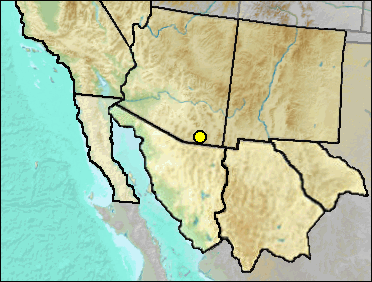
Synonyms. Natrix sp.
Sites.
Late Blancan: Curtis Ranch (Brattstrom 1955)
Literature. Brattstrom 1955.
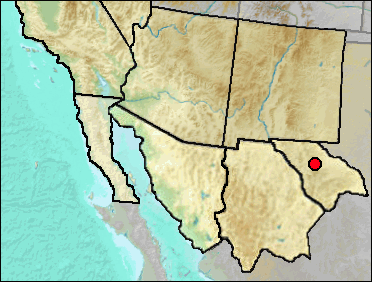
As indicated by the common name, this is a snake perfectly at home in and around water. It narrowly enters our region following the Pecos and Rio Grande drainages from farther to the east and southeast. Either permanent or seasonal water in drainages leading from the Pecos River to the vicinity of Fowlkes Cave may have enabled this snake to reach the site.
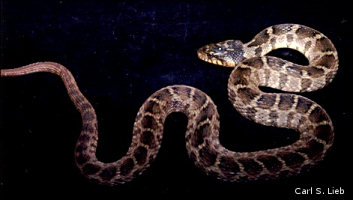
Fig. 1. Plainbelly Water Snake. Photograph by Carl S. Lieb.
Sites.
Late Wisconsin/Holocene: Fowlkes Cave (Parmley 1990).
Literature. Parmley 1990.
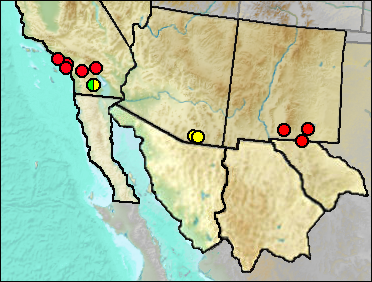
Holman (1970) recorded at least two species of Thamnophis from Dry Cave. One of these (T. proximus) is noted below; the other(s) belong to the T. cyrtopsis, T. elegans, T. marcianus, T. radix group, but Holman was unable to discriminate between these four species on vertebral characters.
Sites.
Late Blancan: California Wash (Lindsay 1978); Curtis Ranch (Brattstrom 1955).
Late Blancan/Irvingtonian: Vallecito Creek, Anza-Borrego Desert (Cassiliano 1999).
Rancholabrean: Park La Brea A (Jefferson 2014: ?).
Rancholabrean/Early Holocene: Metro Rail Universal City Station (Jefferson 2014).
Sangamon: Newport Bay Mesa (Jefferson 1991a).
Mid Wisconsin: Pacific City (Wake and Roeder 2009); Pendejo Cave (Harris 2003).
Mid/Late Wisconsin: Diamond Valley (Springer et al. 2009).
Late Wisconsin: Animal Fair 18-20 ka (Harris 1989); Balcony Room (UTEP); Bison Chamber (Holman 1970); Dust Cave (this work: cf.); Harris' Pocket (Holman 1970); Mountain View Country Club (Jefferson 2014); Pendejo Cave (Harris 2003); TT II (Harris 1993c); Upper Sloth Cave (Logan and Black 1979).
Late Wisconsin/Holocene: Balcony Room (Holman 1970); Pendejo Cave (UTEP).
Literature. Brattstrom 1955; Cassiliano 1999; Harris 1989, 1993c, 2003; Holman 1970; Jefferson 2014; Lindsay 1978; Logan and Black 1979; Springer et al. 2009; .
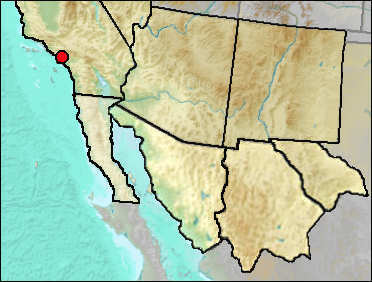
Sites.
Mid Wisconsin: Rancho La Brea (LaDuke 1991).
Literature. LaDuke 1991.
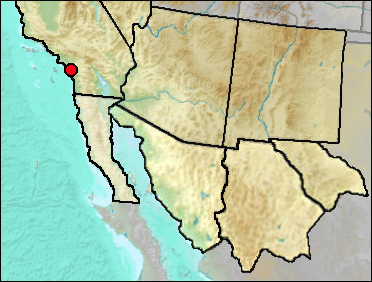
Sites.
Mid/Late Wisconsin: Tsuma Properties, San Clemente (Jefferson 2014)
Literature. Jefferson 2014.
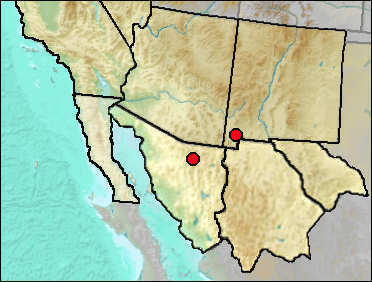
 A creature of riparian habitats and
usually montane, this snake is barred from arid grassland and desertscrub habitats (Van
Devender and Worthington 1977).
A creature of riparian habitats and
usually montane, this snake is barred from arid grassland and desertscrub habitats (Van
Devender and Worthington 1977).
Fig. 1. Blackneck Garter Snake (Thamnophis cyrtopsis). Photograph by Carl S. Lieb.
Sites.
Sangamon: La Brisca (Van Devender et al. 1985: cf.).
Late Wisconsin/Holocene: Howell's Ridge Cave (Van Devender and Worthington 1977: cf.).
Literature. Van Devender and Worthington 1977; Van Devender et al. 1985.
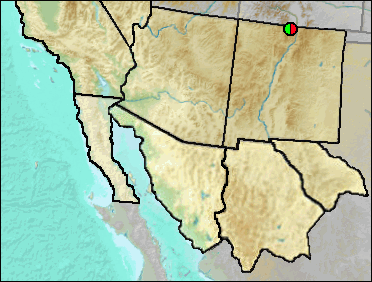
This snake has a very wide range of ecological tolerance, but tends to be a montane forest form in our region.
Sites.
Medial Irvingtonian: SAM Cave (Rogers et al. 2000).
Late Wisconsin/Holocene: SAM Cave (Rogers et al. 2000).
Literature. Rogers et al. 2000.
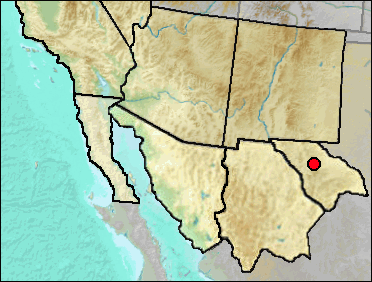
The current range of this snake includes much of southern Arizona, especially toward the southeast, and most of the eastern and southern portions of New Mexico and the Trans-Pecos.
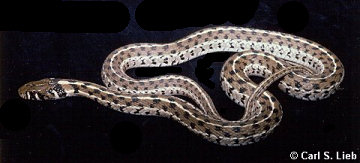 Fig. 1. Checkered Garter Snake.
Photograph by Carl S. Lieb.
Fig. 1. Checkered Garter Snake.
Photograph by Carl S. Lieb.
Sites.
Late Wisconsin/Holocene: Fowlkes Cave (Parmley 1990: cf.).
Literature. Parmley
1990.
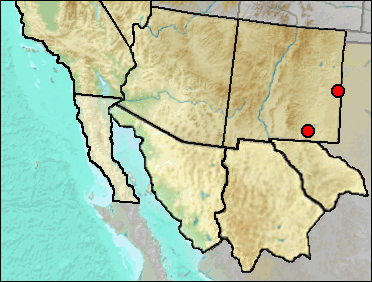
Predominantly an eastern form, this snake does enter parts of eastern New Mexico today. Slaughter's record (1975) from Blackwater Draw of T. sauritus is assumed to pertain to this species since he noted (p. 181) that "The Ribbon Snake may still be found in New Mexico along streamways, but is rarely seen far from water." This description fits the Western Ribbon Snake, but not T. sauritus, the Eastern Ribbon Snake, which is separated from our region by nearly the entire state of Texas.
Sites.
Late Wisconsin: Bison Chamber (Holman 1970); Blackwater Draw Fauna (Slaughter 1975).
Literature. Holman 1970; Slaughter 1975.
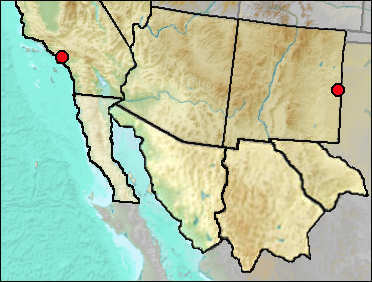
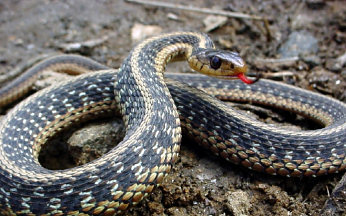 Slaughter (1975) gives thick grass and
moist soil as requirements for this species, while remarking that it is not as aquatic
as the ribbon snake.
Slaughter (1975) gives thick grass and
moist soil as requirements for this species, while remarking that it is not as aquatic
as the ribbon snake.
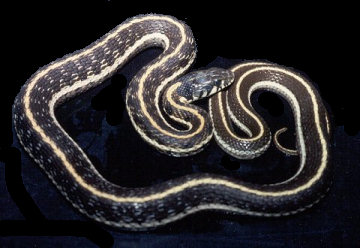
Fig. 1. Common Garter Snake. Photograph courtesy of Brookhaven National Laboratory.
Sites.
Mid Wisconsin: Rancho La Brea (LaDuke 1991).
Late Wisconsin: Blackwater Draw Fauna (Slaughter 1975).
Literature. LaDuke 1991; Slaughter 1975.
Last Update: 6 Jan 2016