
Class Aves
Order Podicipediformes
Family Podicipedidae
Aechmophorus occidentalis—Western Grebe // Podiceps/Podilymbus—Eared/Pied-billed Grebe // Podiceps sp.—Grebes // Podiceps auritus—Horned Grebe // Podiceps nigricollis—Eared Grebe // Podilymbus podiceps—Pied-billed Grebe // Tachybaptus dominicus—Least Grebe
 Grebes are highly aquatic birds seldom
leaving the water except in migration. They are expert divers and resort to diving both
as a defensive mechanism and for food procurement. Six species regularly occur in our
region at present and a seventh (Tachybaptus dominicus) has rare appearances (Sibley 2000).
Grebes are highly aquatic birds seldom
leaving the water except in migration. They are expert divers and resort to diving both
as a defensive mechanism and for food procurement. Six species regularly occur in our
region at present and a seventh (Tachybaptus dominicus) has rare appearances (Sibley 2000).
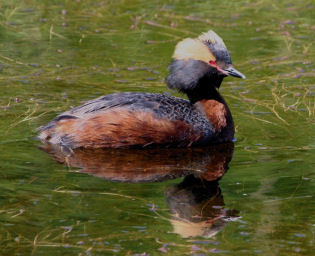
Fig. 1. Horned Grebe (Podiceps auritus). Photograph by Donna Dewhurst courtesy of the USFWS.
Literature. Sibley 2000.
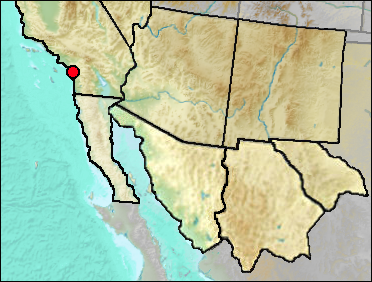
Sites.
Late Pleistocene: Rancho del Oro (Jefferson 2014).
Literature. Jefferson 2014.
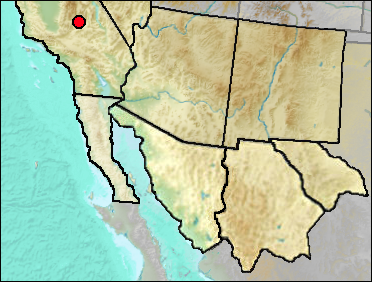
Sites.
Mid/Late Wisconsin: China Lake (Jefferson 1991a).
Literature. Jefferson 1991a.
 Grebes are obligate
aquatic birds whose presence in fossil deposits implies presence of moderate to large
bodies of water within a reasonable distance. Presence at Burnet Cave indicates a
probable source in the Pecos Valley to the east, since it is unlikely that suitable
habitat was present closer to the cave. Presumably the Colorado River supplied suitable habitat in the Grand Canyon region and Pleistocene lakes in inland California.
Grebes are obligate
aquatic birds whose presence in fossil deposits implies presence of moderate to large
bodies of water within a reasonable distance. Presence at Burnet Cave indicates a
probable source in the Pecos Valley to the east, since it is unlikely that suitable
habitat was present closer to the cave. Presumably the Colorado River supplied suitable habitat in the Grand Canyon region and Pleistocene lakes in inland California.
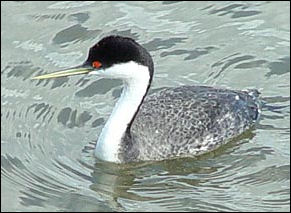
Fig. 1. Western Grebe. National Park Service photograph by Will Elder.
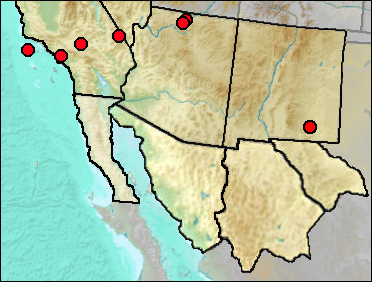
Sites.
Irvingtonian/Rancholabrean: Manix Lake (Jefferson 1991a).
Rancholabrean: San Pedro Lumber Yard (Jefferson 1991a).
Sangamon: Chandler Sand Pit, Rolling Hills Estates (Jefferson 1991a); Lincoln Ave (Howard 1936); San Pedro Lumber Yard (Jefferson 1991a).
Mid/Late Wisconsin: Sandblast Cave (Emslie 1988); San Miguel Island (Guthrie 1998)
Late Wisconsin/Holocene: Burnet Cave (Schultz and Howard 1935); Kokoweef Cave (Reynolds, Reynolds, et al. 1991); Stanton's Cave (Rea and Hargrave 1984).
Literature. Emslie 1988; Guthrie 1998; Howard 1936; Jefferson 1991a; Rea and Hargrave 1984; Reynolds, Reynolds, et al. 1991; Schultz and Howard 1935.
Sites.
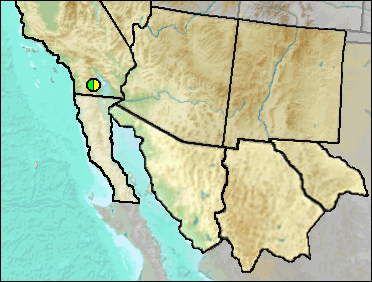
Howard (1963) noted the presence of an apparently extinct grebe from the Anza-Borrego Desert but declined to name a new species based on rather poor material; she also noted that it appeared similar to a grebe from the San Diego Pliocene.
Late Blancan/Irvingtonian: Vallecito Creek, Anza-Borrego Desert (Howard 1963).
Literature. Howard 1963.
Sites.
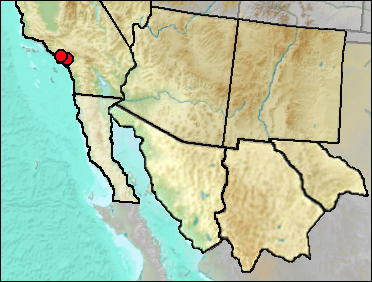
?Late Irvingtonian/Rancholabrean: Emery Borrow Pit (Jefferson 1991a).
Mid/Late Wisconsin: Rancho La Brea (Stock and Harris 1992).
Literature. Jefferson 1991a; Stock and Harris 1992.
 Grebes
are aquatic birds that are excellent swimmers and divers, requiring at least
moderate-sized bodies of water. The diet consists of a wide variety of aquatic animals.
The White Lake section of Pleistocene Lake San Agustín sedimentary deposits is the
source of the fossil material; the lake itself should have been suitable habitat.
Grebes
are aquatic birds that are excellent swimmers and divers, requiring at least
moderate-sized bodies of water. The diet consists of a wide variety of aquatic animals.
The White Lake section of Pleistocene Lake San Agustín sedimentary deposits is the
source of the fossil material; the lake itself should have been suitable habitat.
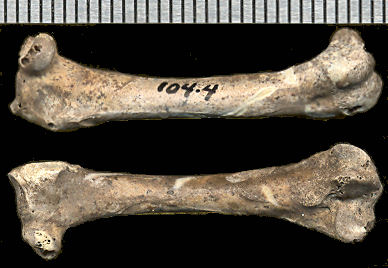
With presently available comparative material, the specimen, a femur, is identified only as a small grebe (Fig. 1).
Fig. 1. Right femur of a small grebe, Pleistocene San Agustín. Scale in mm.
Sites.
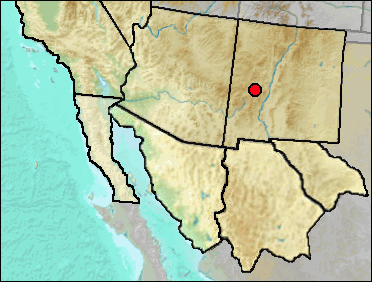
Wisconsin: White Lake (Harris 1993c).
Literature. Harris 1993c.
Sites.
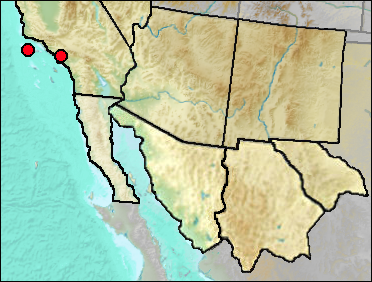
Sangamon: San Pedro Lumber Co. (Jefferson 1991a: ?)
Mid/Late Wisconsin: San Miguel Island (Guthrie 1998)
Literature. Guthrie 1998; Jefferson 1991a.
Synonyms: Podiceps caspicus.
Occurrence at Dark Canyon Cave is not surprising since it is only a short distance from the Pecos Valley flood plain. The Pecos River or ox-bows of the Pecos should have been prime habitat.
Two bones represent this taxon from Dark Canyon Cave; Howard (1971) noted that they are slightly smaller than those of modern examples from New Mexico. She also noted that half of the Eared Grebe bones from Fossil Lake, Oregon, also were small.
Sites.
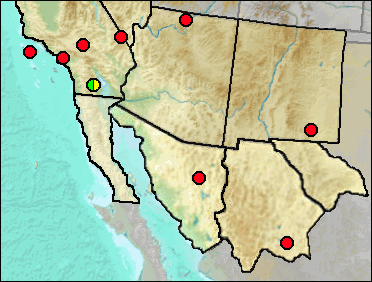
Late Blancan/Irvingtonian: Vallecito Creek, Anza-Borrego Desert (Howard 1963).
Irvingtonian/Rancholabrean: Manix Lake (Jefferson 1991a: cf.).
Rancholabrean: Century City, Los Angeles (Jefferson 1991a).
Sangamon: San Pedro Lumber Co. (Jefferson 1991a)
Wisconsin: Zuma Creek (Jefferson 1991a).
Mid Wisconsin: Térapa (Steadman and Mead 2010).
Mid/Late Wisconsin: Dark Canyon Cave (Howard 1971); San Miguel Island (Guthrie 1998).
Mid/Late Wisconsin/Holocene: Jimenez Cave (Messing 1986).
Late Wisconsin/Holocene: Kokoweef Cave (Reynolds, Reynolds, et al. 1991: cf.); Skylight Cave (Emslie 1988: cf. gen. et sp.); Stanton's Cave (Rea and Hargrave 1984).
Literature. Emslie 1988; Guthrie 1998; Howard 1963, Howard 1971; Jefferson 1991a; Messing 1986; Rea and Hargrave 1984; Reynolds, Reynolds, et al. 1991; Steadman and Mead 2010.
Sites.
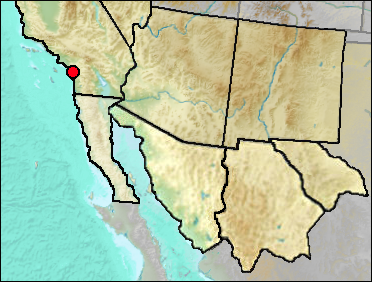
Late Pleistocene: Rancho del Oro (Jefferson 2014).
Literature. Jefferson 2014.
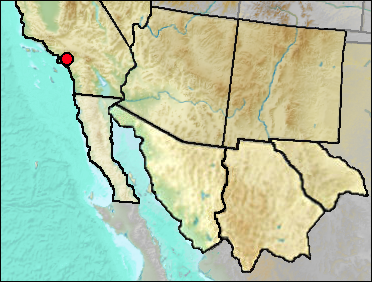
Sites.
?Late Irvingtonian/Rancholabrean: Emery Borrow Pit (Jefferson 1991a).
Literature. Jefferson 1991a.
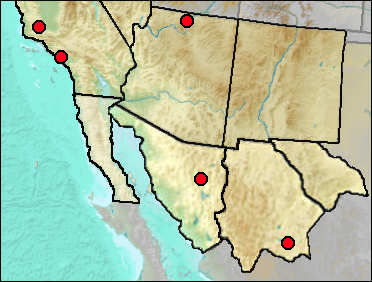
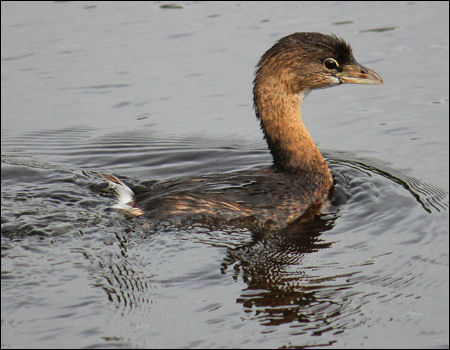
Fig. 1. Pied-billed Grebe; US Fish & Wildlife Service photo.
In common with many water birds, this grebe occurs throughout the region.
Sites.
Late Pleistocene: Rancho del Oro (Jefferson 2014).
Mid Wisconsin: McKittrick (Jefferson 1991a); Térapa (Steadman and Mead 2010).
Mid/Late Wisconsin: Rancho La Brea (Stock and Harris 1992); Sandblast Cave (Emslie 1988).
Mid/Late Wisconsin/Holocene: Jimenez Cave (Messing 1986).
Late Wisconsin: Skylight Cave (Emslie 1988).
Literature. Emslie 1988; Jefferson 1991a; Messing 1986; Steadman and Mead 2010; Stock and Harris 1992.
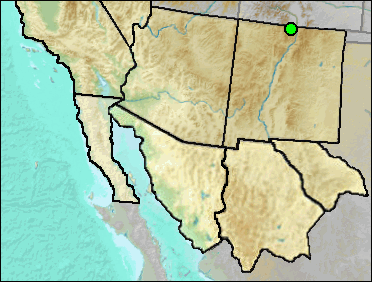
This, the smallest of the grebes, is considerably out of place compared to its current distribution. Its nearest approach now is on the western and eastern coasts of Mexico into extreme southern Texas. However, there are occasional occurrences in southernmost California and Arizona.
Sites. Medial Irvingtonian: San Antonio Cave (Rogers et al. 2000: cf.).
Literature. Rogers
et al. 2000.
Last Update: 27 May 2015