
Class Aves
Order Charadriiformes
Family Scolopacidae
Actitis sp.—Spotted Sandpipers // Arenaria melanocephala—Black Turnstone // Actitis macularia—Spotted Sandpiper // Calidris alba—Sanderling // Calidris alpina—Dunlin // Calidris canutus—Red Knot // Calidris melanotos—Pectoral Sandpiper // Gallinago delicata—Wilson's Snipe // Gallinago gallinago—Common Snipe // Limnodromus griseus—Short-billed Dowitcher // Limnodromus scolopaceus—Long-billed Dowitcher // Limosa fedoa—Marbled Godwit // Numenius americanus—Long-billed Curlew // Numenius phaeopus—Whimbrel // Phalaropus fulicarius—Red Phalarope // Phalaropus lobatus—Red-necked Phalarope // Tringa melanoleuca—Greater Yellowlegs // Tringa semipalmata—Willet
Most members of the family use their bills to probe mud, sand, or soil for small invertebrates. Differences in overall size and in length of bills generally allow a number of species to coexist. Since most are primarily limited to relatively moist habitats where probing is possible, occurrences in our region tend to be restricted geographically. However, most sites are reasonably close to river valleys, Pleistocene lakes, or terrain with potential for temporary ponding.
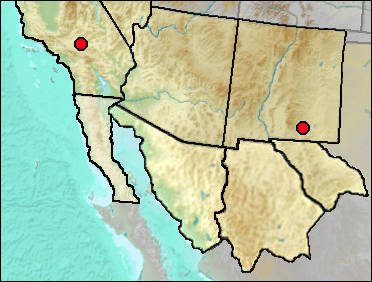
Spotted Sandpipers occur throughout the area during migration and winter along shores of rivers and ponds.
Sites.
Irvingtonian/Rancholabrean: Manix Lake (Jefferson 1991a: cf. gen.).
Late Wisconsin: Stalag 17 (Harris 1993c: ? gen.).
Literature. Harris 1993c; Jefferson 1991a.
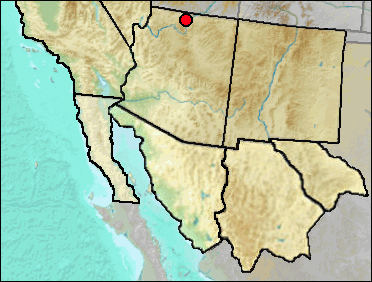
Sites.
Late Wisconsin: Stanton's Cave (Rea and Hargrave 1984).
Literature. Rea and Hargrave 1984.
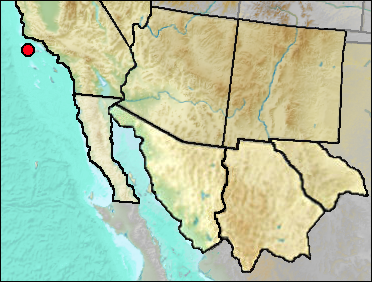
Sites.
Mid/Late Wisconsin: San Miguel Island (Guthrie 1998).
Literature. Guthrie 1998.
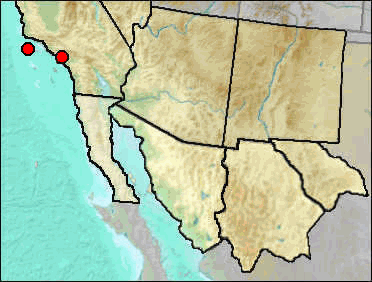
Sites.
Mid/Late Wisconsin: Rancho La Brea (Stock and Harris 1992); San Miguel Island (Guthrie 1998).
Literature. Guthrie 1998; Stock and Harris 1992.
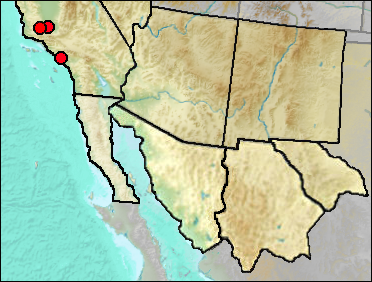
Sites.
Mid Wisconsin: McKittrick (Jefferson 1991a).
Mid/Late Wisconsin: Rancho La Brea (Stock and Harris 1992).
Late Wisconsin: Maricopa (Jefferson 1991a).
Literature. Jefferson 1991a; Stock and Harris 1992.
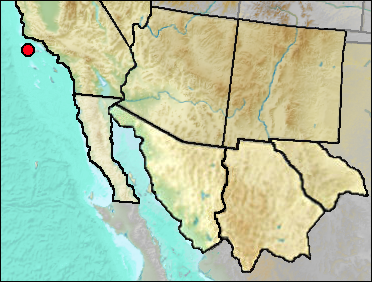
Sites.
Mid/Late Wisconsin: San Miguel Island (Guthrie 1998: cf.).
Literature. Guthrie 1998.
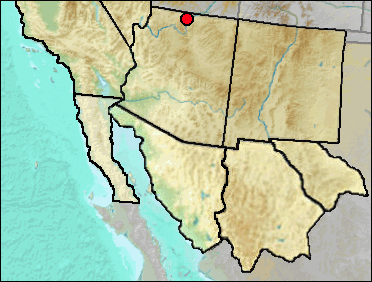
Sites.
Late Wisconsin: Stanton's Cave (Rea and Hargrave 1984).
Literature. Rea and Hargrave 1984.
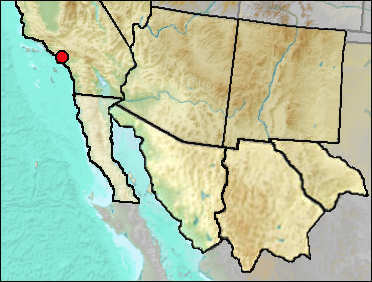
Sites.
Mid/Late Wisconsin: Rancho La Brea (Stock and Harris 1992).
Literature. Stock and Harris 1992.
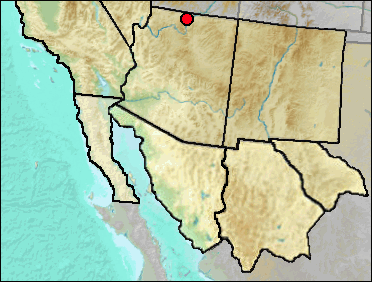
Sites. Late Wisconsin: Stanton's Cave (Rea and Hargrave).
Literature. Rea and Hargrave 1984.
Last Update: 27 May 2015