This document details the costs and benefits associated with the proposed Los Fresnos Technology Infrastructure Plan as developed by the District’s Technology Leadership Taskforce. Earlier this year, this Taskforce was formed to implement the District’s mandate to update its technological infrastructure as part of Project WIRE (Working, Integrating, and Rewarding Excellence).
To better describe the District’s total planned spending on
technology, we have added the District’s planned PC purchases to this
analysis. While not actually a part of
the Technology Infrastructure Plan, the purchase of these computers will be
closely integrated with the network expansion and will represent a significant
improvement to the District’s technical environment. These personal computers have been included as part of the
upcoming school bond proposal and will be purchased separately from the
Technology Infrastructure project detailed here.
It is also important to understand that this analysis does
not include currently budgeted items.
The existing District’s budget includes costs for existing personnel,
maintenance, and service fees. These
figures are not included in this cost analysis. The figures detailed below represent new costs that will be
introduced over the three-year life of the project.
This analysis is segmented into several sections. First, the proposed project costs are
detailed in a series of tables along with a high-level discussion of the needed
spending. The next section provides a
series of technical metrics that can be used to measure the District’s
investment in technology. The last
section discusses how this investment will impact the ways that we deliver
instruction, advance the lives of our students, and improve our community.
Proposed Costs
Year One
Cost Projections
Table 1 below details both the projected costs for
academic year 2001-2002 and their proposed funding mechanisms. For more details on the technologies,
devices, and services associated with these costs, please refer to the
Technology Infrastructure Plan document.
|
Technology
Infrastructure Cost Projections for 2001-2002 |
|||||||
|
|
Total |
Funding Source |
|||||
|
Item |
Cost |
General Fund |
Bond |
USF (E-rate) |
Title III |
Title II & VI |
Donated |
|
Network Wiring |
|
|
|
|
|
|
|
|
LAN Construction |
$64,000 |
|
|
$57,600 |
$6,400 |
|
|
|
Line Access |
$31,000 |
$3,100 |
|
$27,900 |
|
|
|
|
Hubs and Switches |
$239,000 |
|
|
$215,100 |
$23,900 |
|
|
|
|
|
|
|
|
|
|
|
|
High-Speed Internet |
|
|
|
|
|
|
|
|
Filtering System |
$27,000 |
|
|
$24,300 |
$2,700 |
|
|
|
Internet Security |
$32,000 |
|
|
$28,800 |
$3,200 |
|
|
|
|
|
|
|
|
|
|
|
|
Video |
|
|
|
|
|
|
|
|
Video Servers/Devices |
$115,000 |
|
|
$103,500 |
$11,500 |
|
|
|
|
|
|
|
|
|
|
|
|
Telephony |
|
|
|
|
|
|
|
|
Telephony Servers |
$180,000 |
|
|
$162,000 |
$18,000 |
|
|
|
IP Desksets |
$19,000 |
$19,000 |
|
|
|
|
|
|
|
|
|
|
|
|
|
|
|
Staffing |
$135,000 |
$135,000 |
|
|
|
|
|
|
Maintenance |
$45,000 |
$45,000 |
|
|
|
|
|
|
New Software |
$112,500 |
|
$106,875 |
|
|
|
$5,625 |
|
New Desktops/Laptops |
$150,000 |
|
$142,500 |
|
|
|
$7,500 |
|
Training |
$92,000 |
|
|
|
$69,000 |
$23,000 |
|
|
|
|
|
|
|
|
|
|
|
|
|
|
|
|
|
|
|
|
Total |
$1,241,500 |
$202,100 |
$249,375 |
$619,200 |
$134,700 |
$23,000 |
$13,125 |
Table 1 – Cost Projections for Academic Year 2001-2002
Approximately half of the project’s costs will be incurred in the first year of the project. During this year, the vast majority of FresNet’s WAN and LANs will be constructed. Also, major purchases will be required for the implementation of the Security, Filtering, Video, and Telephony Servers.
Much of this network construction cost was approved for
purchase by the FCC in our 2001-2002 E-rate application, thus allowing 90% of
these costs to be covered by Federal E-rate dollars. One major item, the telephone desksets, are not eligible under
the E-rate program however and must be funded locally. The amounts not covered under E-rate
reimbursement will need to be funded from the General Fund or from grant
dollars.
Also shown in Table 1 is the purchase of new District PCs
and software. While these purchases are
not technically part of the Technology Infrastructure Plan, this major purchase
has been included in these tables to better describe the total District
technology purchases during this period.
These planned PC and software purchases have already been included in the
current school bond proposal.
Lastly, are costs associated with staffing, maintenance, and
training. The new network will require
the addition of two FTEs to support the network and users. Maintenance and training costs will also
increase accordingly. Most of these
costs will need to be met by the General Fund.
Year Two
Cost Projections
Table 2 below details the projected costs and funding methods for academic year 2002-2003.
|
Technology
Infrastructure Cost Projections for 2001-2002 |
|||||||
|
|
Total |
Funding Source |
|||||
|
Item |
Cost |
General Fund |
Bond |
USF (E-rate) |
Title III |
Title II & VI |
Donated |
|
Network Wiring |
|
|
|
|
|
|
|
|
LAN Construction |
$11,000 |
|
|
$9,900 |
$1,100 |
|
|
|
Line Access |
$46,500 |
$4,650 |
|
$41,850 |
|
|
|
|
Hubs and Switches |
$55,000 |
|
|
$49,500 |
$5,500 |
|
|
|
|
|
|
|
|
|
|
|
|
Telephony |
|
|
|
|
|
|
|
|
Telephony Servers |
$22,000 |
|
|
$19,800 |
$2,200 |
|
|
|
IP Desksets |
$3,000 |
$3,000 |
|
|
|
|
|
|
|
|
|
|
|
|
|
|
|
Staffing |
$202,500 |
$202,500 |
|
|
|
|
|
|
Maintenance |
$56,250 |
$56,250 |
|
|
|
|
|
|
New Software |
$56,250 |
|
$53,438 |
|
|
|
$2,813 |
|
New Desktops/Laptops |
$75,000 |
|
$71,250 |
|
|
|
$3,750 |
|
Training |
$46,000 |
|
|
|
$34,500 |
$11,500 |
|
|
|
|
|
|
|
|
|
|
|
|
|
|
|
|
|
|
|
|
Total |
$573,500 |
$266,400 |
$124,688 |
$121,050 |
$43,300 |
$11,500 |
$6,563 |
Table 2 – Cost Projections for Academic Year 2002-2003
Approximately one quarter of the project’s total cost will be incurred during the second project year. During this year, additional wiring and network construction will need to take place to support the completion of new buildings. Again, the majority of these purchases will be funded by the E-rate program.
Additional PCs are planned for year 2002-2003 and these are
reflected in this table. One additional
support FTE is planned for this year and network maintenance is expected to
incrementally increase. Technology
training costs are expected to decline marginally over the last two years of
the project.
Year
Three Cost Projections
Table 3 below details project costs and funding
sources for year 2002-2003.
|
Technology
Infrastructure Cost Projections for 2003-2004 |
|||||||
|
|
Total |
Funding Source |
|||||
|
Item |
Cost |
General Fund |
Bond |
USF (E-rate) |
Title III |
Title II & VI |
Donated |
|
Network Wiring |
|
|
|
|
|
|
|
|
Line Access |
$69,750 |
$6,975 |
|
$62,775 |
|
|
|
|
Hubs and Switches |
$27,500 |
|
|
$24,750 |
$2,750 |
|
|
|
|
|
|
|
|
|
|
|
|
Telephony |
|
|
|
|
|
|
|
|
Telephony Servers |
$22,000 |
|
|
$19,800 |
$2,200 |
|
|
|
IP Desksets |
$3,000 |
$3,000 |
|
|
|
|
|
|
|
|
|
|
|
|
|
|
|
Staffing |
$270,000 |
$270,000 |
|
|
|
|
|
|
Maintenance |
$67,500 |
$67,500 |
|
|
|
|
|
|
New Software |
$56,250 |
|
$53,438 |
|
|
|
$2,813 |
|
New Desktops/Laptops |
$75,000 |
|
$71,250 |
|
|
|
$3,750 |
|
Training |
$23,000 |
|
|
|
$17,250 |
$5,750 |
|
|
|
|
|
|
|
|
|
|
|
|
|
|
|
|
|
|
|
|
Total |
$614,000 |
$347,475 |
$124,688 |
$107,325 |
$22,200 |
$5,750 |
$6,563 |
Table 3 – Cost Projections for Academic Year 2003-2004
In year three of the project, the last of the planned network device costs will be incurred. This primarily involves upgraded devices needed to handle projected network traffic increases. The telephony system will also be expanded to its final planned configuration. The last network support FTE will be added in year three and the last group of new PCs will be installed. Network support costs will marginally increase while training costs decline.
Total Cost
Projections
Table 4 below summarizes the total project costs by academic year and by funding method.
|
Technology
Infrastructure Cost Projections for All Years |
|||||||
|
|
Total |
Funding Source |
|||||
|
Item |
Cost |
General Fund |
Bond |
USF (E-rate) |
Title III |
Title II & VI |
Donated |
|
2001-2002 |
$1,241,500 |
$202,100 |
$249,375 |
$619,200 |
$134,700 |
$23,000 |
$13,125 |
|
2002-2003 |
$573,500 |
$266,400 |
$124,688 |
$121,050 |
$43,300 |
$11,500 |
$6,563 |
|
2003-2004 |
$614,000 |
$347,475 |
$124,688 |
$107,325 |
$22,200 |
$5,750 |
$6,563 |
|
|
|
|
|
|
|
|
|
|
Total |
$2,429,000 |
$815,975 |
$498,750 |
$847,575 |
$200,200 |
$40,250 |
$26,250 |
Table 4 – Total Cost Projections for Infrastructure Project
The Technology Infrastructure Project and the Bond-funded
PC/software purchases require a total of $2,429,000. Of this amount, however, only $815,975 is required from the
General Fund. The funding break down is
as follows:
- Federal
USF E-rate Program (35%)
- General
Fund (34%)
- School
Bond (20%)
- Title III
Grant Funds (8%)
- Title II
& VI Grant Funds (2%)
- Donated
(1%)
Technology Metrics
Various measurements can be
used to quantify the investment that Western Heights is making in
technology. These measures include the
number of computers per student, the average Internet bandwidth available to
each student, and the projected technology investment per student per year.
Computers
Per Student
The number of computers per student has shown a
steady increase over the last three years and is projected to continue its
increase over the next 5 years. This is
depicted in Figure 1 below.
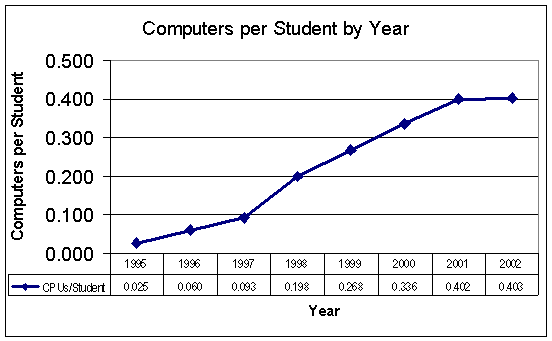
Figure 1 – Computers per Student per Year
Internet
Bandwidth Per Student
The available Internet bandwidth per student is
increasing as the district adds additional T-1 lines. From a low of 0.025 KB/s
in 1995, the average available bandwidth is projected to reach 0.403 KB/s by
the year 2002, a 1600% increase in bandwidth. This is diagrammed in Figure 2
below.
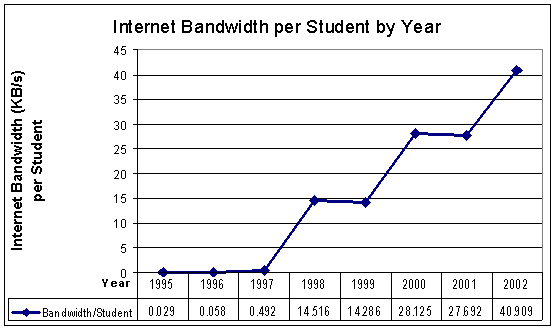
Figure 2 – Bandwidth per Student per Year
Spending
Per Student
The last figure depicts technology investment per
student. This is currently estimated to
be over $400 per year. This is detailed
in Figure 3 below.
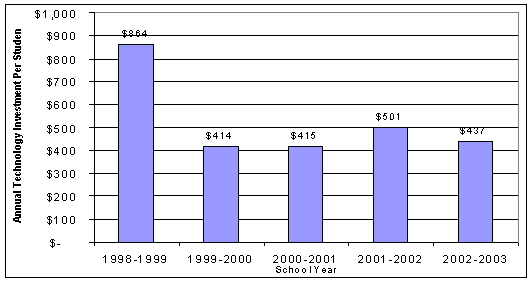
Figure 3 – Spending per Student
Impact on Instructional Delivery
Project WIRE will have a major impact on how instruction will be delivered within the district. The introduction and implementation of FresNet will not only provide a whole new array of communication and research possibilities, but will also make great strides toward the reduction of the “Digital Divide”, which is currently effecting a large percentage of our students.
Students
using this new and more powerful network will have faster access to the
Internet and all of its resources. They will also have the capability to
communicate with outside experts in certain fields through the use of online
chats or conferences. These
improvements will not only benefit the regular education students, but all
other student populations as well.
Modified materials and tests can be made accessible to learning disabled
students on the network. This would
allow them greater participation in the regular education classroom and less
dependency on the resource classroom.
Special education students who are receiving homebound instruction, as
well as migrant students may be able to participate in web-based instruction
and interact with their peers through live online chats.
In addition to
the anticipated improvement in student education, FresNet and its capabilities
will also benefit the faculty as well.
Teachers will be able to participate through video-conferencing in
distant workshops or conferences that otherwise would have been
unavailable. They too will have the
ability to communicate and collaborate with other professionals from around the
world. The district as a whole will
benefit by an increase in efficiency and speed of communication as well as
easier and wider access to information.
Further
support for the introduction of advanced networks and technology is provided by
case studies conducted by the United States Department of Education (http://www.ed.gov/pubs/EdReformStudies/EdTech/techrationale.html). It has been documented in these studies when
students are taught to effectively “use technology as a tool or a support for
communicating with others, they are in an active role rather than the passive
role of recipient of information transmitted by a teacher.” This is very important in that we instill in
our students the ability for them to be capable of initiating research on a
topic or area of study, and that they are able to conduct their research using
the most appropriate means and approaches available.
Although Project WIRE will be costly to implement and maintain, there will be many areas in which the use of this new technology can create some savings for the district once the network becomes fully operational. For example, the reduction in the number of homebound teachers by providing web-based instruction to those students who are capable of participating in that mode of instructional delivery would become a cost-saving feature. The district could also cut down on travel and lodging costs by providing faculty participation in workshops and conferences through interactive video-conferencing.
By using electronic mail to compose and send all inter-district related memorandums and notices, the district as well as the individual campuses will be able to cut back some of the costs currently incurred in printing and distributing these documents. These represent only a few examples where effective and appropriate use of the technology can lower the districts operating costs in several different areas.
Los Fresnos Consolidated Independent
School District has recognized that in order to be successful in today’s world
students need to not only be provided access to the latest forms of technology,
but also be taught how to use and manipulate these resources as tools to
facilitate their own education. It is
for these reasons that Project WIRE is to be considered a necessity if Los
Fresnos wants to truly provide an “exemplary” education to its students.