Community
|
|
|
Rio Bosque is a place where El Pasoans go to relax, reconnect with nature, and learn about our local natural resources. The Park hosts:
Volunteers help in all aspects of the Park including: education programs and other outreach events, ecosystem management, faunal monitoring, fundraising, and advocacy. Many thanks to all that have participated!
|
 |
|
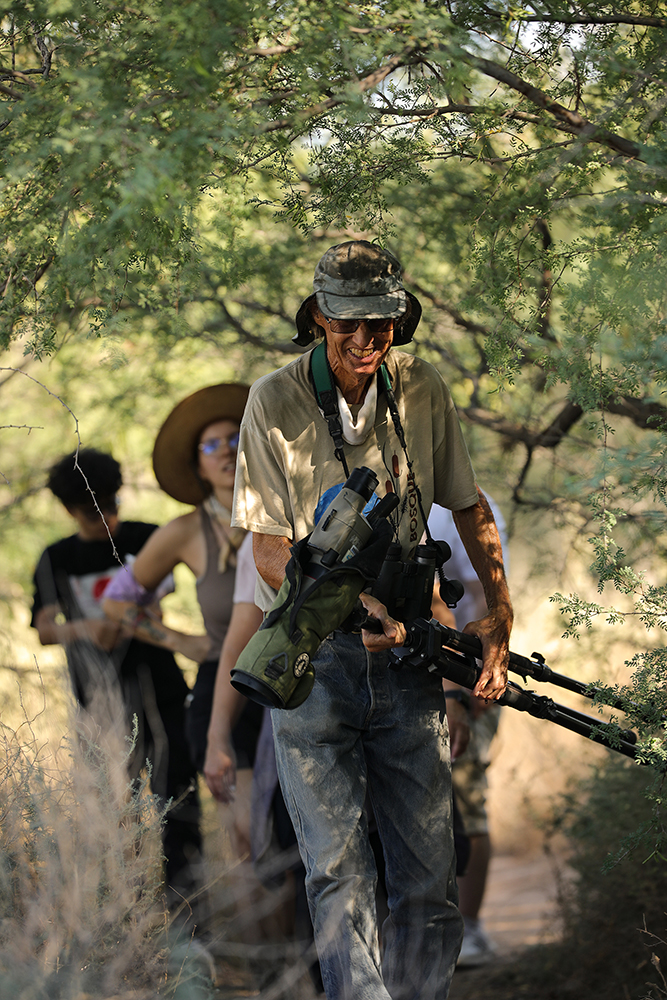
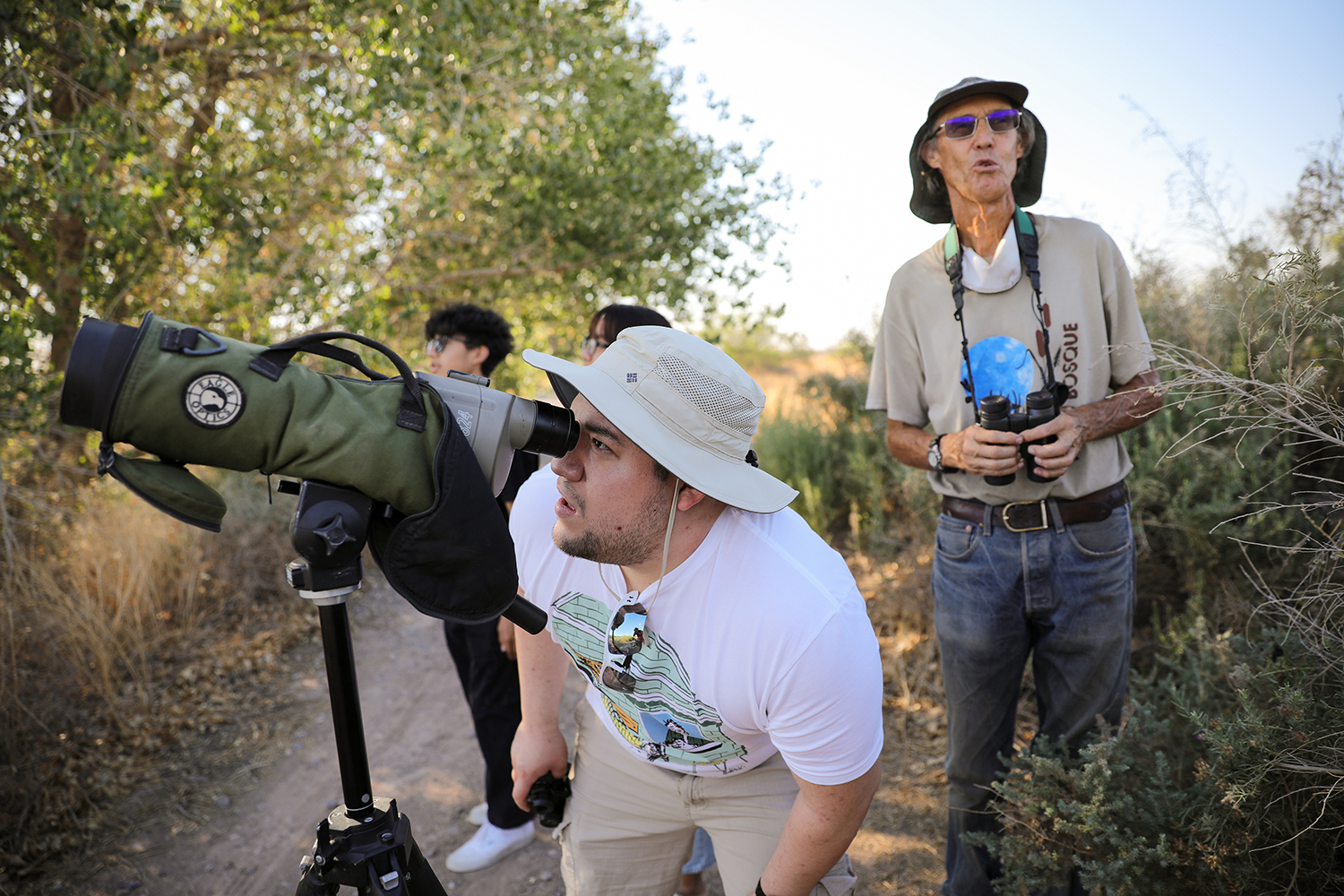
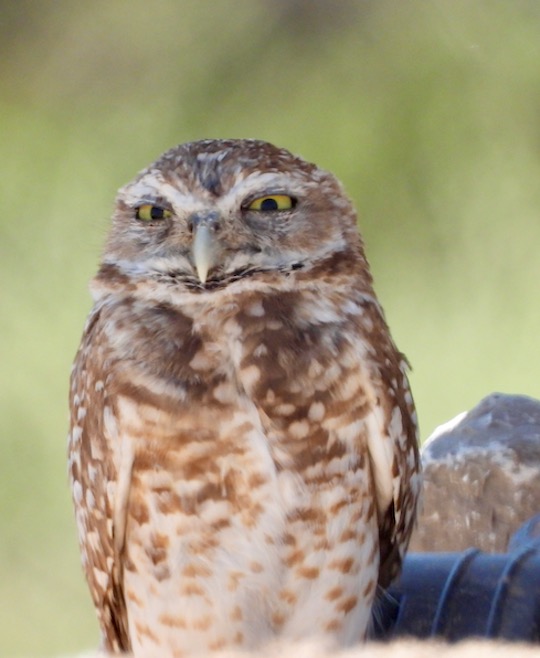
Rio Bosque has a network of trails that wind throughout the park, ranging from the 2.4-mile Rio Trail to the 0.6-mile Bosque Trail (fully accessible). All the trails require maintenance. After the summer rains, many invasive species take sprout and take root. Without volunteers helping to maintain trails and remove invasive plants, these plants can crowd out native species and reduce habitat quality for wildlife. Help make a positive impact by volunteering your time at the Park. The Park's wetland and upland habitats support a wealth of birds. Rio Bosque draws both local birders and visiting birders from throughout the nation and world. Check out the list of all 274 birds Park visitors have reported to eBird, or download a checklist for the Park. Or go on a birding tour at Rio Bosque. Either way, starting birding today! Texas Parks & Wildlife urban biologist Lois Balin has set up a remarkable array of artificial habitats to help burrowing owls find homes as urban sprawl displaces them. |
|
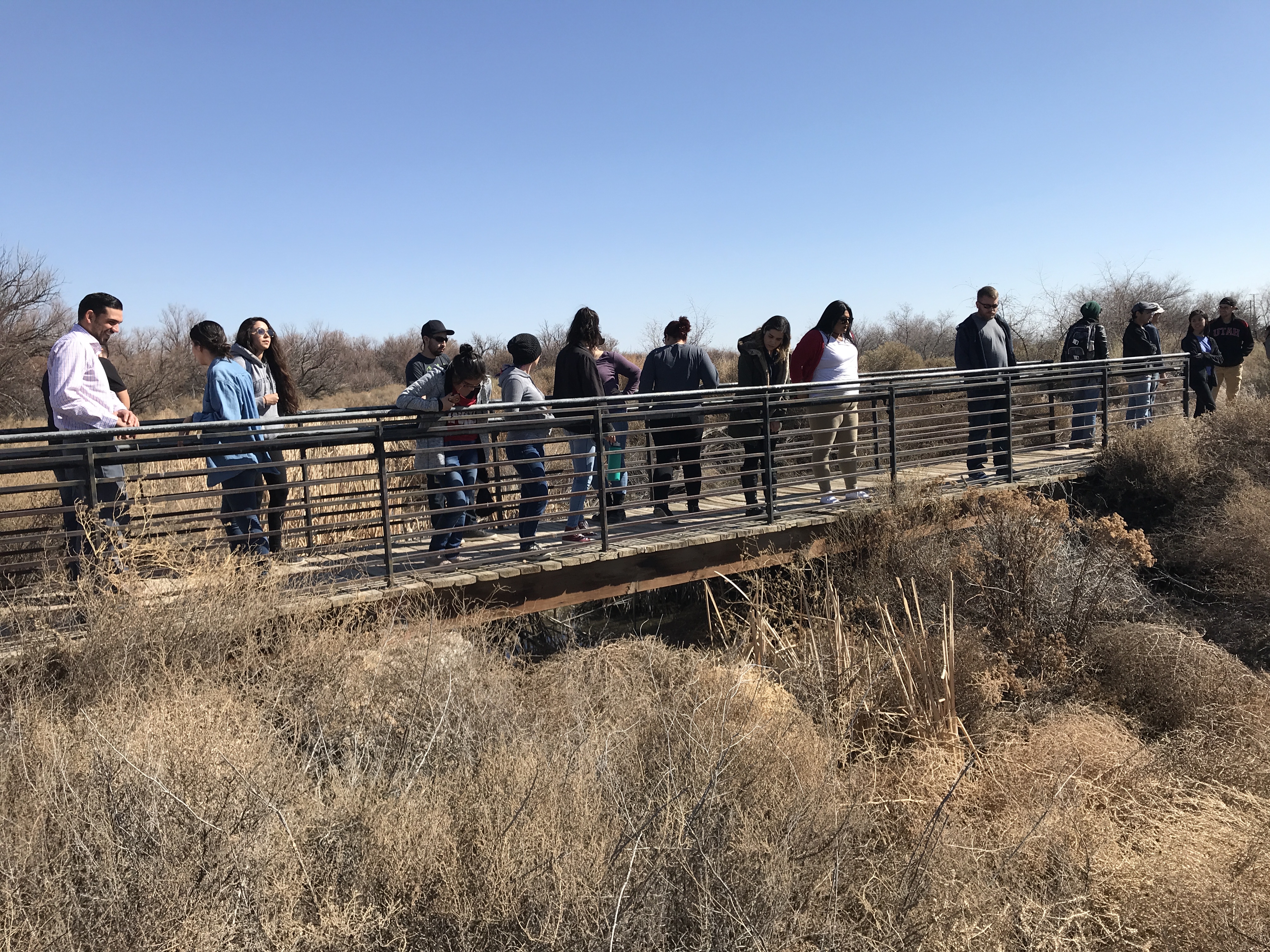
Student groups regularly visit the Park. UTEP/EPCC students in the US Dept. of Education funded STEMGrow summer program have conducted research at the park for the past 5 years on topics such as nest production of Mexican ducks, mosquito monitoring, wetlands water quality and biodiversity, and pollination biology. Other events have included hosting summer field trips for elementary and high school students to learn about water resources, desert arthropods, the importance of wetlands and more. For the past two years, Texas Parks and Wildlife, Texas Master Naturalists, the Nature Conservancy, and the Audubon Society have hosted the City Nature Challenge in El Paso. Organized by the Natural History Museum of Los Angeles County and California Academy of Sciences, this event is a challenge to see which city can document the most species. Rio Bosque Wetlands Park was one of the primary observation sites. See how we stacked up against other cities in 2021. Will you help us do even better next year? |
|
|