
MinerAlert
MinerAlert

AAII helps UTEP faculty, researchers, and students secure and use high-performance computing resources.
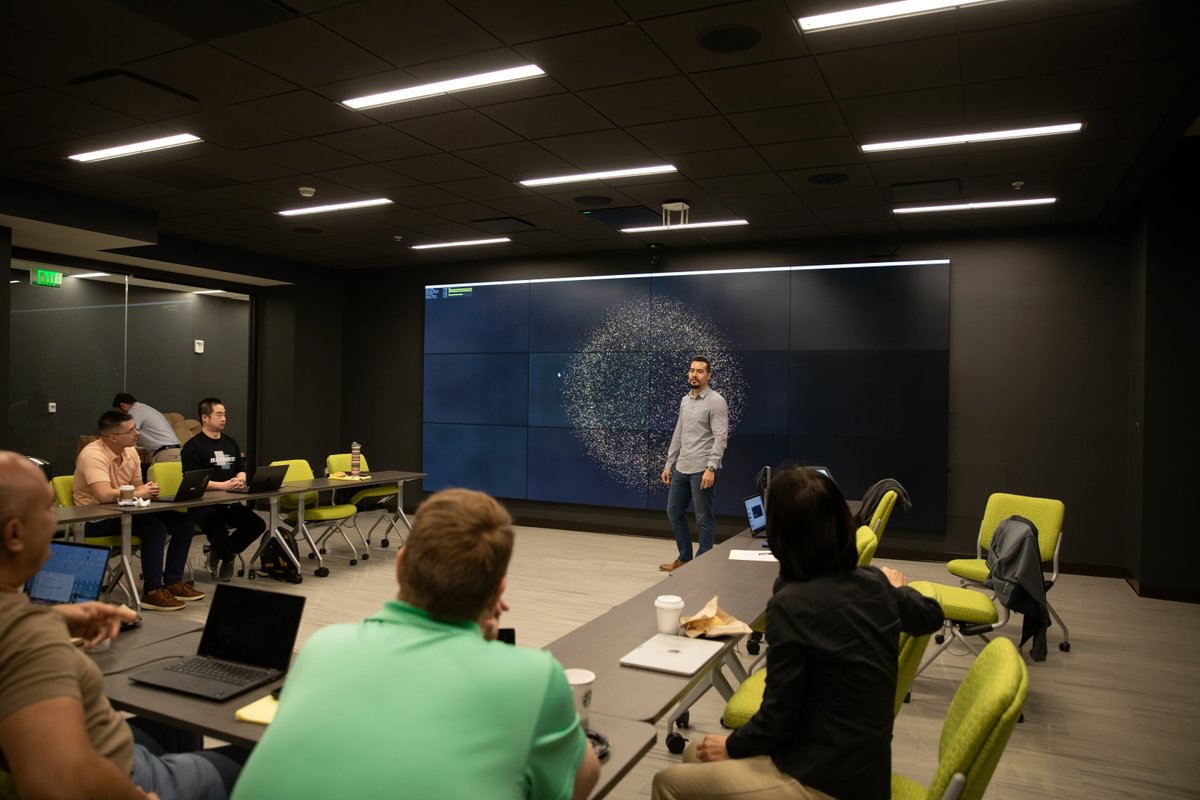
A high-resolution, large-format display environment for scientific data exploration, multidisciplinary collaboration, and high-profile presentations.
Requesting access requires a UTEP sign-in.
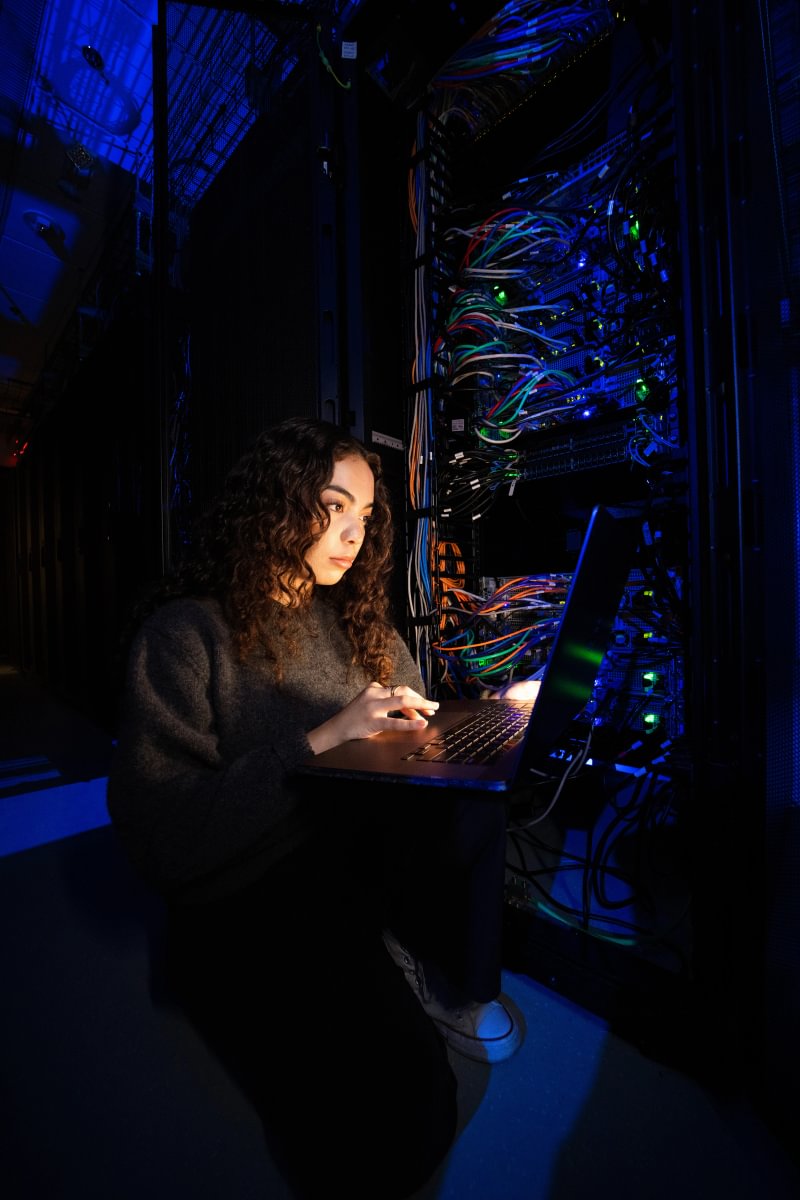
Provides high-performance computing capacity for running AI models, scientific simulations, and large-scale data processing workloads.
What UTEP's central HPC group provides to researchers at no cost, and how to request an account.
Getting-started steps and user guides for UTEP's 3 clusters, Jakar, Paro, and Punakha, the GPU cluster for AI and machine learning.
ACCESS, the NAIRR Pilot, and TACC, and how AAII helps you request time on them.
AAII offers training and support in the use of the following tools and platforms.
Deep learning framework for building and training neural networks.
Visit site for PyTorch (opens in a new tab)End-to-end open-source platform for machine learning.
Visit site for TensorFlow (opens in a new tab)Software for self-interaction correction in density functional theory.
Visit site for FLOSIC (opens in a new tab)Containerization platform for deploying and managing applications.
Visit site for Docker (opens in a new tab)Daemonless container engine for developing, managing, and running containers.
Visit site for Podman (opens in a new tab)Workload manager for high-performance computing environments.
Visit site for SLURM (opens in a new tab)Free data science platform for Python and R.
Visit site for Anaconda (opens in a new tab)AI-driven platform and marketplace for GPU-accelerated software.
Visit site for NVIDIA NGC (opens in a new tab)Models that integrate multiple sources of information (e.g., images, text, audio) to more effectively address machine-learning tasks, including the fusion of data from multiple sensors and cross-modal analysis.
| Model | Category |
|---|---|
| OpenCLIP (opens in a new tab) | Vision-Language encoder |
| BLIP-2 (LAVIS) (opens in a new tab) | Vision → Text / Instruction tuning |
| LLaVA (opens in a new tab) | Multimodal LLM (image+text) |
| Stable Diffusion (opens in a new tab) | Text → Image |
| Whisper (opens in a new tab) | Speech → Text |
| OpenMMLab (opens in a new tab) | Computer vision toolbox |
| Llama (opens in a new tab) | Language understanding, reasoning, and text generation |
Connect data, models, and simulations into reproducible AI-enabled research pipelines.
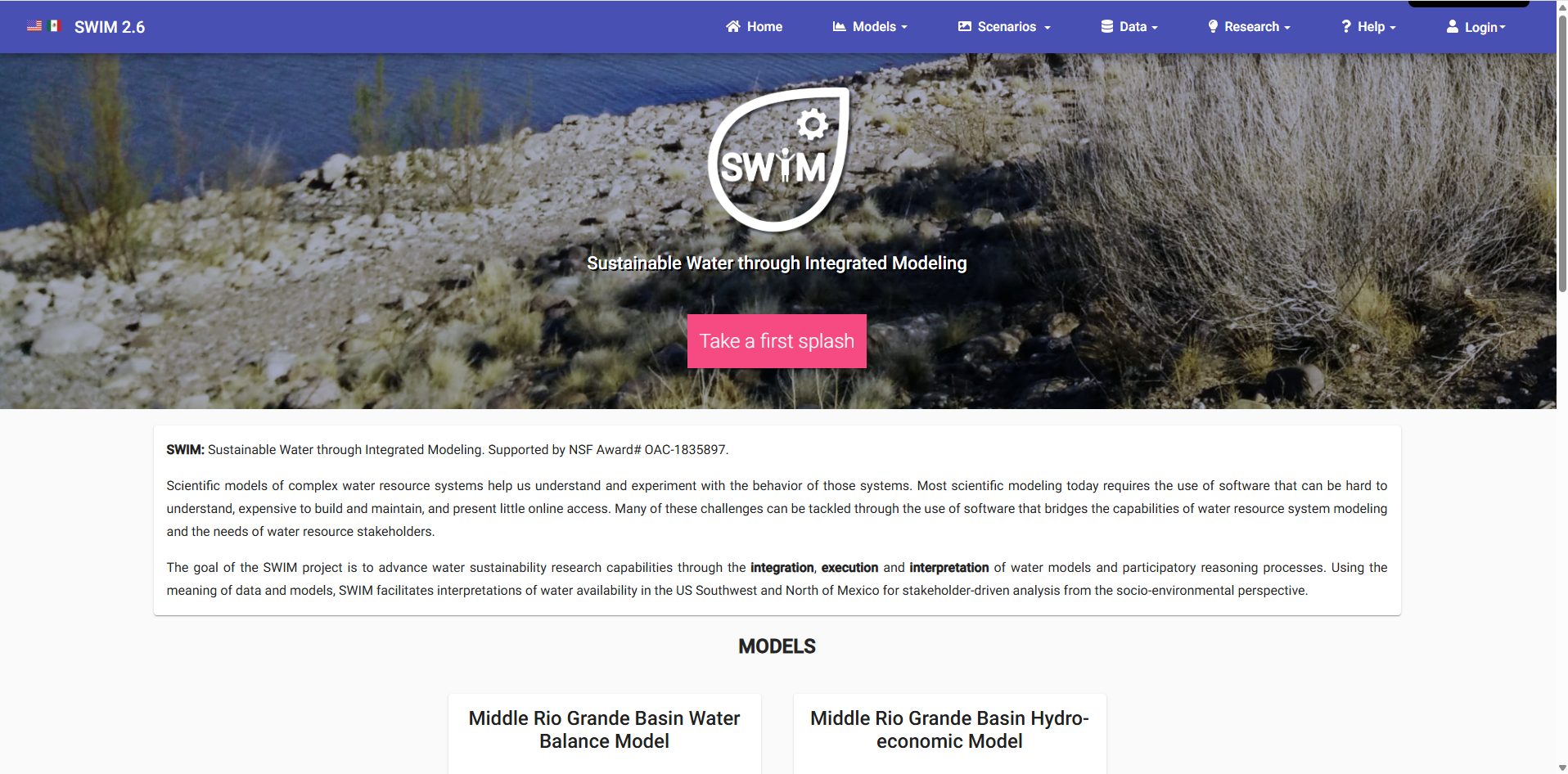
A platform that connects scientific models with the data they need, providing cloud hosting and an easy-to-use interface for integration, execution and interpretation of water models.
Simulates regional water flows, reservoir operations, and groundwater use across the Middle Rio Grande under historical and projected climate conditions.
Integration type: Data-to-Model
Optimizes reservoir operations and water allocation decisions under economic and institutional constraints.
Integration type: Data-to-Model
Model-to-Model integration automatically connects two scientific models by using the outputs of one as inputs to another. This enables seamless multi-model workflows for more complete and realistic scenario analysis.
Integration type: Model-to-Model