
Current Research
Cost-Effective Scalable Infrastructure for Electrified Roadways
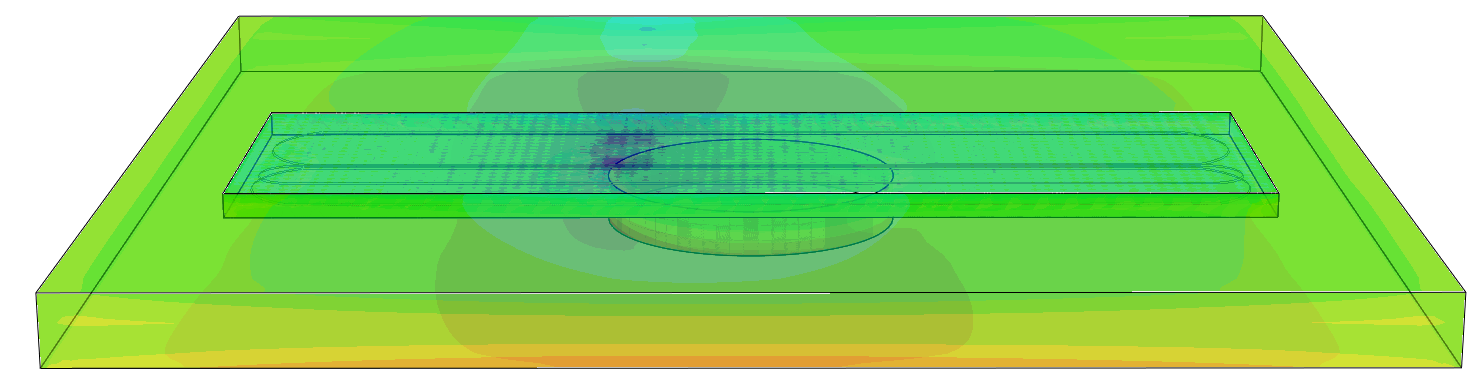
Investigators: Cesar Tirado and Rajib Mallick | Research Team: Pedram Balooch Sirgani
The Center for Transportation Infrastructure Systems (CTIS) at The University of Texas at El Paso (UTEP) is participating in ASPIRE Year 7, a research program focused on the development of infrastructure for electrified roadways. The project examines how wireless charging systems can be integrated into roadways while maintaining pavement performance, durability, and constructability.
The project is supported through ASPIRE, a National Science Foundation Engineering Research Center, and includes researchers from Cornell University, Purdue University, Utah State University, The University of Texas at El Paso, and The University of Auckland. Each institution contributes in areas related to pavement engineering, wireless power transfer, infrastructure modeling, and testing.
At UTEP, CTIS researchers Cesar Tirado, Associate Professor of Research, and Pedram Balooch Sirgani are focusing on how dynamic wireless power transfer (DWPT) components interact with pavement structures and how their installation may affect pavement performance. The research will examine charging-module geometry, embedment depth, traffic loading, and thermal conditions.
Research Focus
Asphalt Pavements
Stress, strain, temperature, rutting, and fatigue associated with embedded charging components and localized heating.
Concrete Pavements
Slab bending, joint load transfer, temperature gradients, differential expansion, and possible interface debonding around embedded components.
CTIS will conduct sensitivity analyses to determine how these variables affect pavement behavior under different conditions. The results will be used to develop preliminary pavement design guidance and to identify feasible installation conditions, durability thresholds, and design constraints for pavements that incorporate DWPT components.
Model Validation and Expected Outcomes
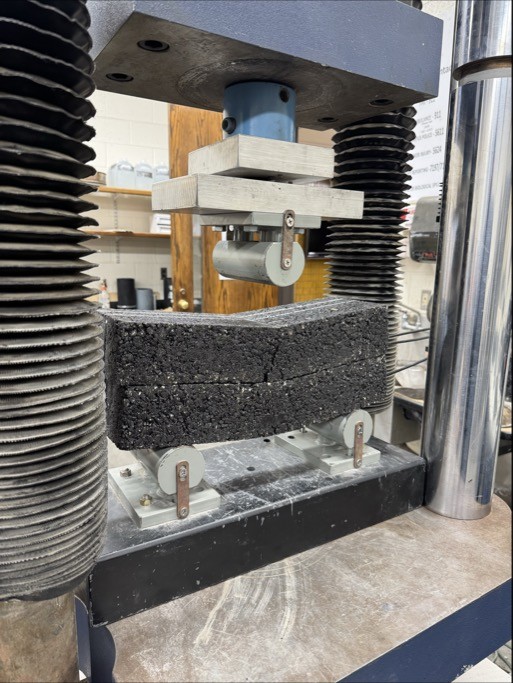
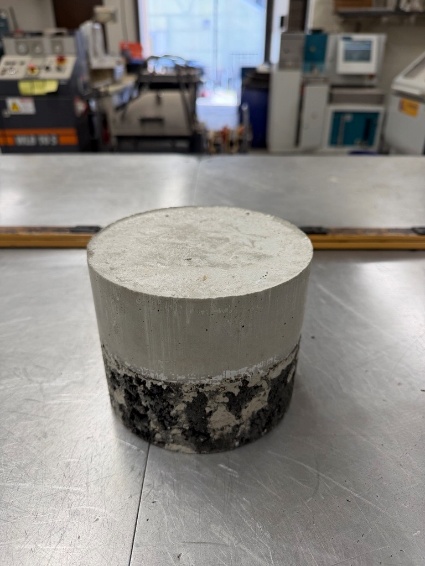
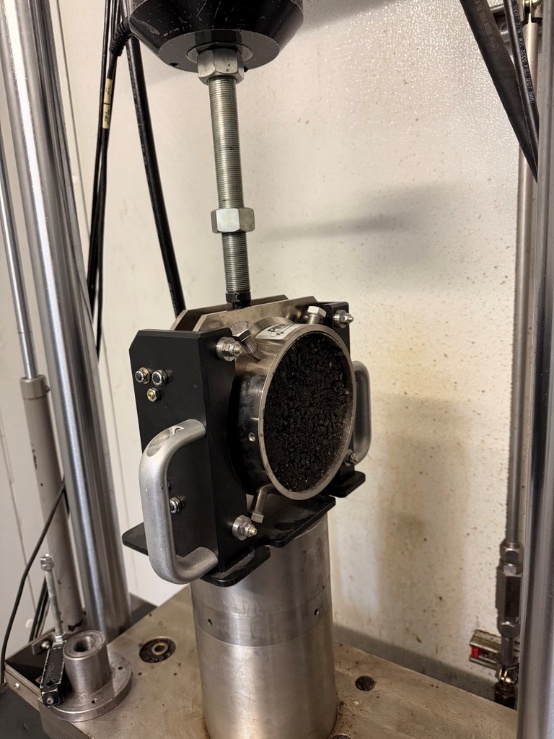
The project includes thermo-mechanical model validation, in which CTIS will compare numerical predictions with laboratory and field measurements to evaluate how pavement structures respond to embedded charging systems. The work will draw on UTEP’s pavement-modeling frameworks, the Model Mobile Load Simulator, asphalt and interface characterization tools, and instrumented pavement specimens. CTIS will also collaborate with Purdue University on modeling and experimental work.
The research is expected to produce preliminary pavement design envelopes for key DWPT variables, showing how equipment geometry, installation depth, traffic loading, and thermal conditions affect pavement requirements. The findings will contribute to the continued evaluation of electrified roadway systems and their pavement design, construction, durability, and maintenance requirements.


