
Staff
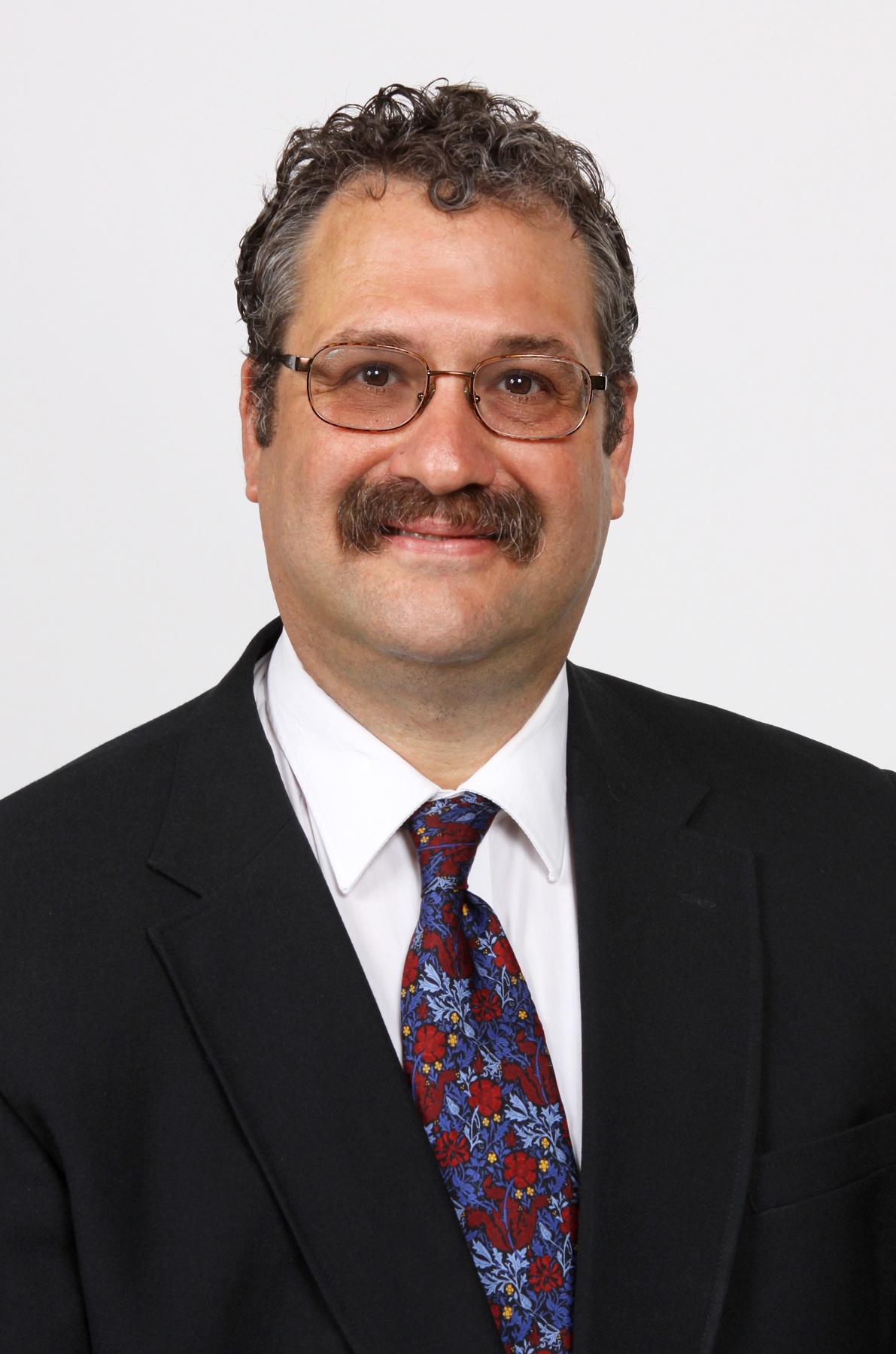 Josiah Heyman
Director
Advisor, MA and Undergraduate Minor
jmheyman@utep.edu
Office Phone: (915) 747-8745
Ph.D., Anthropology, City University of New York, 1988.
List of publications:
For copies of any publications, please see the academia.edu page or email jmheyman@utep.edu . He is interested in all things that concern borders, and the processes that shape them and pass through them. His three most recent inquiries are regulation of spatial movement generally (building on, but going beyond borders per se), participant observation of engaged/activist anthropology (and lessons thereof), and unequal territorialization and political ecology of the U.S.-Mexico borderlands, currently examining water. Much of his past work centers on the presence of and limits to state power at borders. This has connected to a specific focus on migration and mobility. It has also lead to a focus on state workers, bureaucratic work processes, societal power and bureaucracies, etc. His border and migration work in turn has lead to an active role in public policy, focusing on alternative migration and border policies for the United States. That, in turn, has lead to a long sequence of works on values, advocacy, and social science (applied or engaged anthropology). He is also interested in border cultures and complex/dynamic analyses of them, and how such approaches contribute to culture theory generally. He has also worked for many years on anthropology of work, of working classes, household economies (including unpaid/reproductive work within capitalism), and consumption. He has contributed modestly to the nascent field of political ecology, and to political economy within anthropology. He was a student of Eric Wolf, and remains an advocate of his legacy in anthropology.
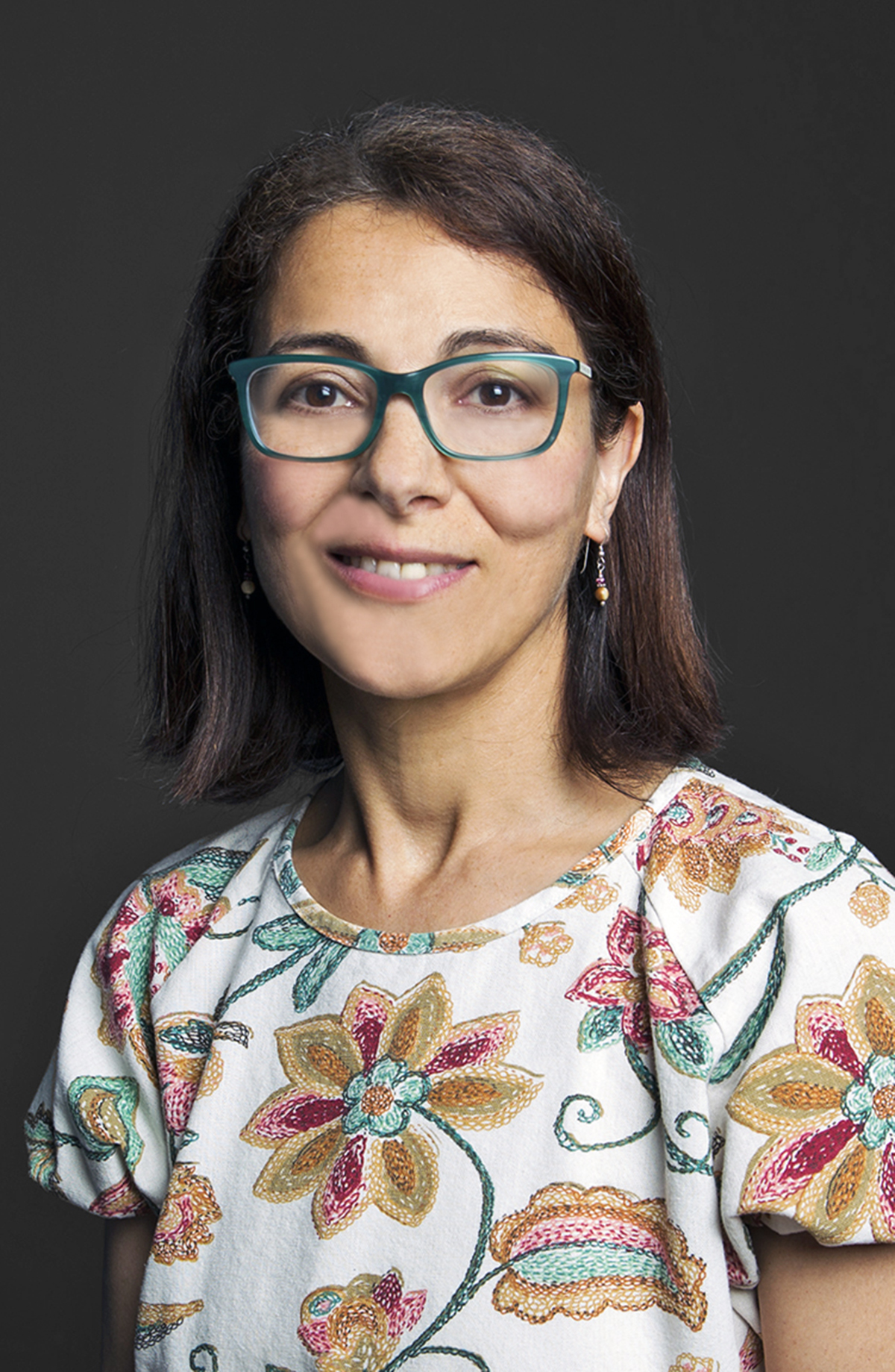 Silvia Torezani
Associate Professor of Instruction of Anthropologyy (half time appointment to Latin American and Border Studies)
satorezani@utep.edu
Office Phone (915) 747-6829
Silvia Torezani, a PhD in Anthropology (University of Western Australia), teaches on border studies, Latin American migration and global health. Participatory teaching and mentoring students are important aspects of her approach to teaching. Her research interests are in the areas of migrant elderly healthcare access in the U.S.-Mexico border, and Latin American migration in multicultural contexts, with a focus on Australia. She is currently finalizing data collection and analysis on a PIMSA-funded project on Mexican migrant elderly access to healthcare in collaboration with colleagues at the University of Guadalajara, Mexico.
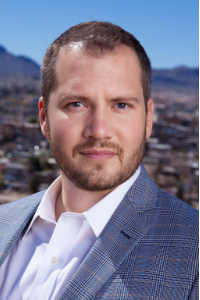 Jeremy Slack
Associate Professor of Geography (half time appointment to Latin American and Border Studies)
jmslack@utep.edu
For further information, see:
http://academics.utep.edu/Default.aspx?tabid=71778
https://utep.academia.edu/JeremySlack
Masters Research Assistants
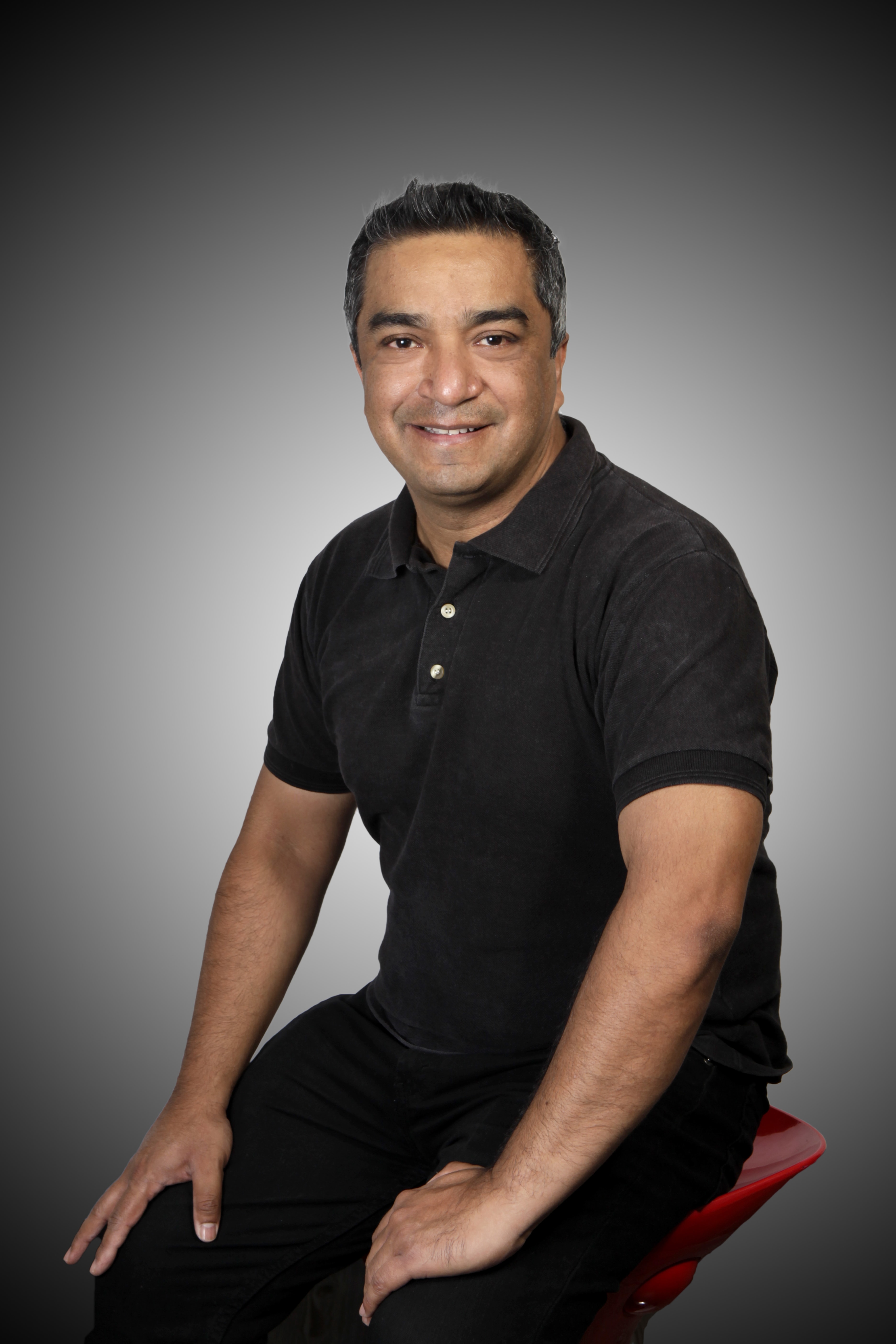 Mauricio Hernandez-Ramirez
Mauricio Hernández Ramírez is a graduate student in the MA in Latin American and Border Studies at the University of Texas at El Paso (UTEP), where he also works as a research assistant at the Center for Inter-American and Border Studies (CIBS). His research focuses on borders, higher education, and cross-border educational mobility.
He holds master’s degrees in International Administration and Global Governance from the University of Gothenburg in Sweden, and in Public Administration and Public Policy from Tecnológico de Monterrey in Mexico, as well as a bachelor’s degree in economics from the National Autonomous University of Mexico (UNAM).
His professional and academic career spans higher education, government, and public policy. He has served as a legislative adviser in the Mexican Congress and Mexico City Legislature and held positions in federal and state government and academic administration. He has taught at UNAM since 2014 and Universidad Anáhuac Puebla in Mexico since 2021.
His international academic experience includes activities in Canada, Sweden, China, the United States, Poland, and Mexico. He has presented research at international conferences on borders, migration, higher education, and intercultural education. His current research examines U.S. students pursuing higher education at Mexican universities across the U.S.–Mexico border.
 Julian Moreno


