Collaborate with the Institute of Oral History
Collaborate with the Institute of Oral History
The Institute of Oral History (IOH) at UTEP welcomes partnerships with community organizations, libraries, cultural institutions, researchers, educators, students, and individuals who share our commitment to preserving, studying, and amplifying community voices. Through our collections of oral histories, archival documents, photographs, and other historical materials, we strive to foster meaningful collaborations that support research, teaching, public engagement, and community storytelling.
Whether you are interested in conducting oral histories, creating educational resources, exploring archival materials, or contributing to a public history project, we invite you to join us in preserving and sharing the stories that shape our communities.
Community Organizations, Libraries, and Cultural Institutions
Community-based organizations often hold invaluable historical materials and memories that deserve to be preserved and shared. The Institute of Oral History works with organizations interested in documenting local histories through oral history interviews, archival preservation, and digital storytelling.
Collaborative projects may include:
- Conducting oral history interviews with community members and elders.
- Digitizing and preserving photographs, documents, and other archival materials.
- Creating community archives and digital collections.
- Developing public history, educational, and cultural heritage initiatives.
Projects can be undertaken in partnership with local colleges and universities or independently by community organizations. To support these efforts, the IOH has developed guidelines, best practices, and workflows that help organizations design and manage their own oral history and archival projects while using the Institute as a repository for collected materials.
If you are interested in developing a community history project, we would be delighted to explore ways to work together.
Contact:
Dr. Elena Foulis
Interim Director, Institute of Oral History
Email: efoulis@utep.edu
Instructors and Educators
The Institute of Oral History offers numerous opportunities for educators to integrate oral history and archival materials into their teaching.
Possible collaborations include:
- Designing courses that engage students with oral histories and archival collections.
- Developing assignments, research projects, and experiential learning activities.
- Creating community-engaged oral history or archival collection projects.
- Contributing educational content to the Institute's public website.
We also welcome the sharing of teaching materials, including:
- Course syllabi
- Reading lists
- Assignment designs
- Oral history interview guides
- Archival research activities
- Digitization, scanning, and cataloging guidelines
By sharing your materials, you help build a growing network of educators committed to community-engaged scholarship and oral history pedagogy. All contributed teaching resources will be credited to their creators and made available to support other instructors and students.
Scholars and Researchers
Researchers interested in accessing or working with materials in the Institute's digital repository are encouraged to contact the Institute before beginning their work.
Access to collections requires acceptance of the Institute's Terms of Use and Ethical Stewardship Agreement.
Contact:
Dr. Elena Foulis
Interim Director, Institute of Oral History
Email: efoulis@utep.edu
Ethical Use and Reciprocal Collaboration
The Institute of Oral History follows a post-custodial approach to stewardship that emphasizes respect, reciprocity, and accountability to the individuals and communities represented in our collections.
We believe that the stories, experiences, and materials entrusted to the Institute are gifts that carry responsibilities. As a result, all users of the collection are asked to contribute in ways that enrich and strengthen the archive for future researchers, educators, students, and community members.
All individuals and organizations wishing to use materials from the Institute's collections must complete a user registration form and agree to our Terms of Use.
Ways to Give Back
Contributions may include:
- Creating timelines, Story Maps, exhibits, and other digital humanities projects.
- Contributing oral histories, digital images, documents, blogs, or scholarly essays to the collection.
- Developing social media content and reflective pieces that highlight collection materials and community stories.
- Producing podcasts, digital storytelling projects, short films, public humanities projects, and research-based creative works inspired by the collections.
- Writing collection guides, interview summaries, timestamped indexes, biographies, and other finding aids that improve access to materials.
- Creating educational resources, lesson plans, assignment models, and research activities that support teaching and learning.
- Transcribing oral history interviews and translating materials between English and Spanish.
- Developing digital exhibits and public-facing content that expands community engagement with the collections.
These contributions may be featured on the Institute's website, ensuring that the knowledge generated through the collection continues to benefit the broader public.
Acknowledgment and Credit
Any publication, presentation, exhibit, website, digital project, or other work that utilizes materials from the Institute of Oral History collections should include the following acknowledgment:
Courtesy of the Institute of Oral History at UTEP
By working together, we can ensure that the stories preserved in the Institute's collections remain accessible, meaningful, and impactful for generations to come.
Key Points of the agreement
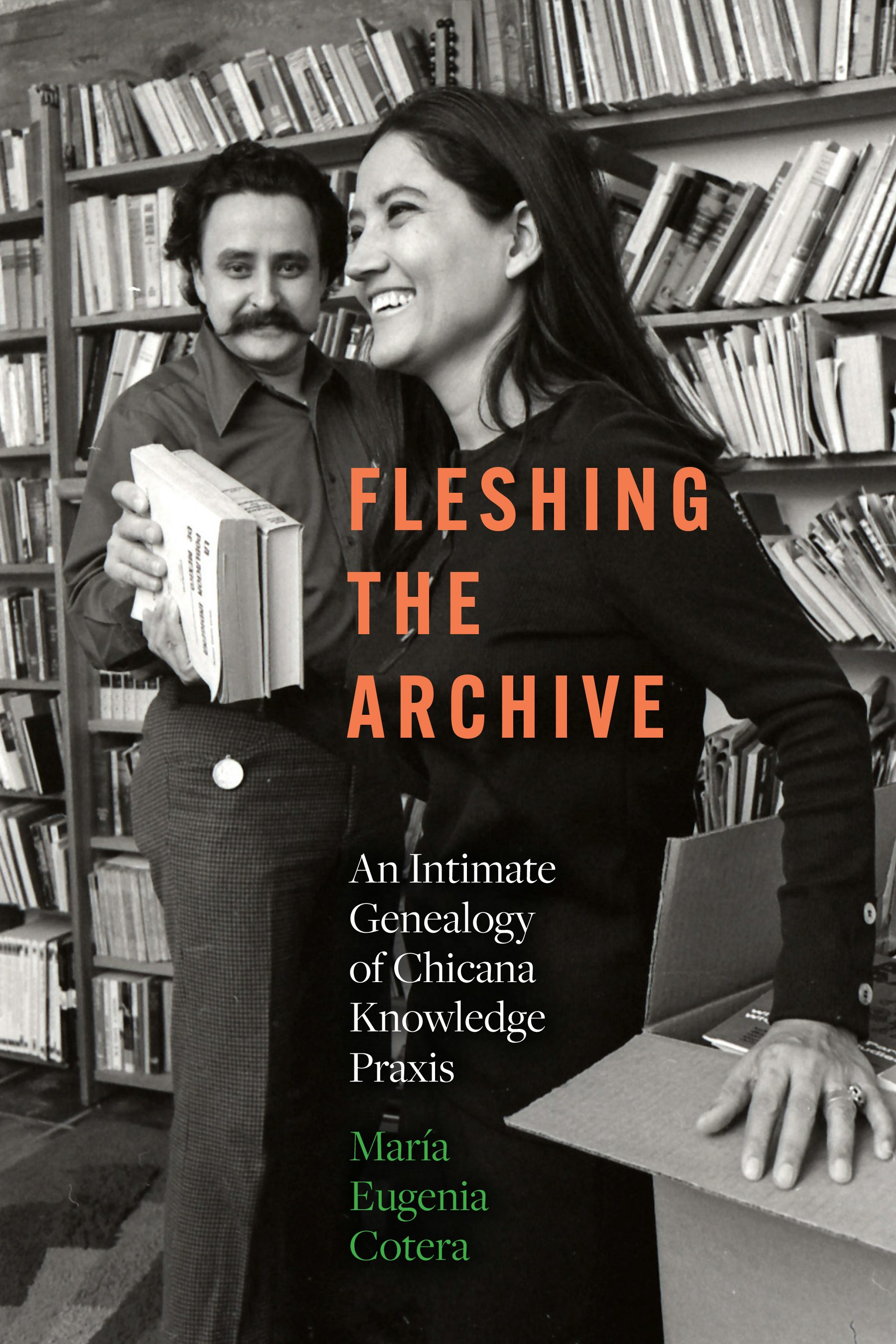
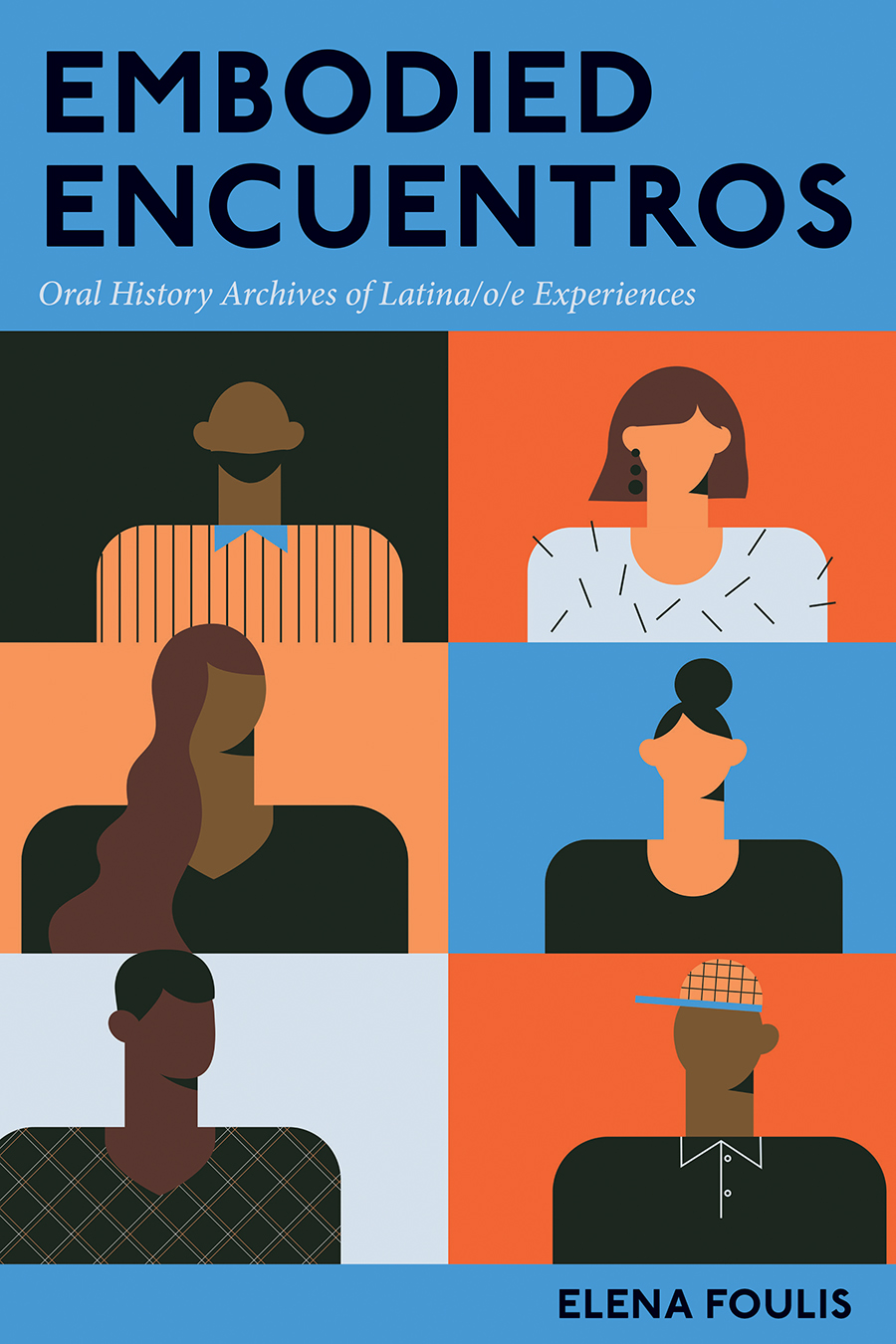
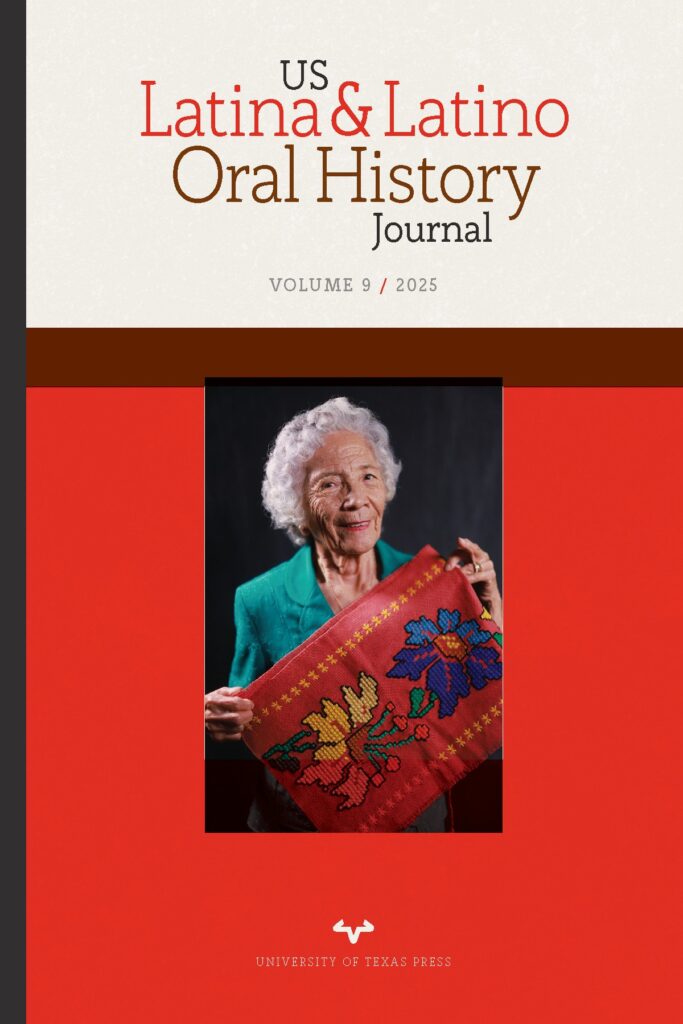
BOOKS AND JOURNALS ON LATINA/O/E ORAL HISTORY