
College of Nursing Celebrates 50 Years of Advancing Health in the Border Region
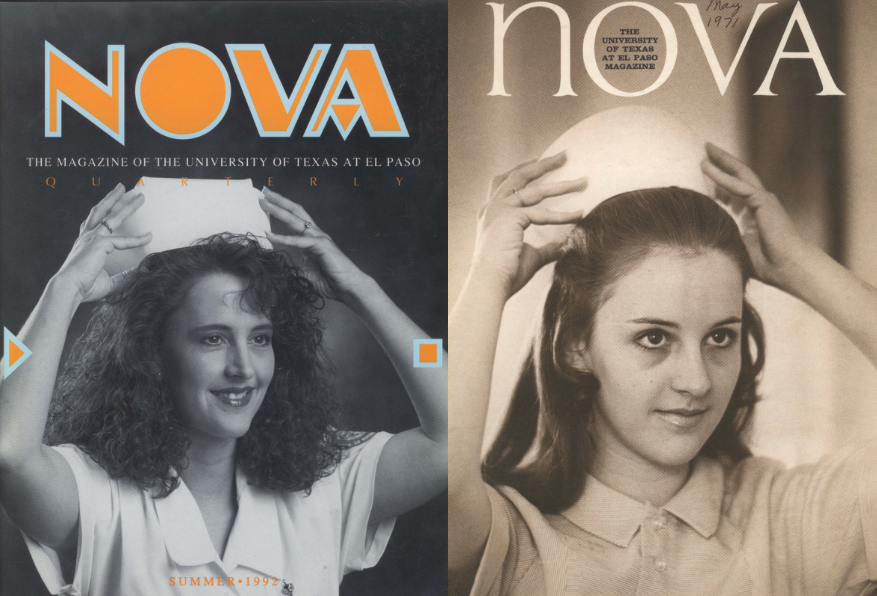
College of Nursing Celebrates 50 Years of Advancing Health in the Border Region
For five decades, the College of Nursing at The University of Texas at El Paso has shaped the health care landscape of the Paso del Norte region. Originally established to address a critical workforce need, the college now stands as the cornerstone of nursing education in El Paso, shaping patient care and public health across the border community.
In its first 50 years, the college has graduated more than 10,000 nurses. Many of the graduates continue to serve the Paso del Norte region, demonstrating a lasting return on investment in local health care infrastructure.
In 1970, the Texas Legislature authorized The University of Texas System to establish a baccalaureate nursing program in El Paso. The University purchased the former Hotel Dieu Diploma Program dormitory facility after the program closed, to provide space for the faculty and students who would be participating in the new BSN nursing program. This marked the launch of university-based nursing education designed specifically to meet the need for BSN-prepared registered nurses in the region.
In 1976, The University of Texas System Board of Regents formally transferred the program to UTEP, establishing the College of Nursing as an independent academic unit of the University. The College of Nursing offered the first bachelor’s and master’s degrees in nursing in the El Paso area. The Master of Science in Nursing program offered advance practice clinical nurse specialist degrees in the areas of medical surgical, maternal child, and psychiatric mental health. With the appointment of its first dean, Eileen Jacobi, Ed.D., the college began building a foundation rooted in academic excellence and service to the community.
Throughout the 1980s and 1990s, enrollment steadily increased as El Paso’s population grew. Clinical partnerships strengthened with area hospitals, including what is now University Medical Center, The Hospitals of Providence, and Las Palmas Del Sol, ensuring students gained hands-on experiences preparing them to provide excellent nursing care at all levels.
As the profession evolved, so did the college. In 1979, additional health sciences programs were placed within the college, expanding interdisciplinary collaboration. By the 1990s and early 2000s, graduate education created new pathways for nurses to advance into leadership. In 2006, the School of Nursing became an independent academic unit within UTEP, reinforcing the University’s health education mission. The launch of the Doctor of Nursing Practice (DNP) program in 2011 marked another milestone, allowing nurses in the Paso del Norte region to pursue doctoral-level practice education locally. This advancement strengthened the region’s capacity for clinical leadership and evidence-based care.
In 2022, the School of Nursing was formally renamed the College of Nursing, reflecting its growth in academic programs, research productivity and regional impact. Investment in innovation has further elevated the college’s impact. Modern simulation and skills laboratories allow students to practice complex clinical scenarios in controlled environments before entering clinics and hospitals. Faculty research increasingly focuses on issues central to the border region, including chronic disease management and accessible care, ensuring teaching remains aligned with community realities.
Leadership has continued to shape the college’s trajectory. In February 2020, Leslie K. Robbins, Ph.D., was appointed the seventh dean of the College of Nursing since its inception. Under her leadership, the college has continued to strengthen its academic programs, clinical partnerships and regional impact while advancing its national profile.
“For 50 years, our graduates have cared for this community,” Robbins said. “The College of Nursing was built to meet the needs of the border region, and today we continue that mission by preparing highly educated, compassionate nursing leaders who are improving health outcomes in El Paso and beyond.”
What began in 1970 as a strategic response to a regional shortage has become a defining institution in El Paso’s health care ecosystem. For 50 years, the College of Nursing has prepared professionals who care for families, educate future nurses and advance patient care and safety throughout the region.
As it celebrates this milestone anniversary, the college honors its history while continuing to build on a legacy of growth, excellence and service, preparing the next generation of BSN-, MSN-, and DNP-prepared nurses for El Paso and the other communities that depend on them.


