
MinerAlert
MinerAlert

In a CEL course, faculty intentionally connecting community engagement experiences to their course learning objectives. Faculty
InSPIRE is here to help!
UTEP Engage can also assist with forming new or expanding upon existing connections to community partners.
Where Can I Find Opportunities and Track Student Engagement?
The CUE (Community University Engagement) is UTEP’s online resource connecting students with community engagement opportunities and tracking their participation. Here, depending on the structure of the course, faculty can identify specific community partners or opportunities for their students or allow students to explore approved opportunities available through the CUE. Students use the platform to access opportunities connected to their courses, register when applicable, and record their engagement hours and participation. Weekly progress reports are available through the CUE to support ongoing monitoring, and a final report of student engagement hours is provided at the end of the semester.
Final Check before Day 1 of My Students’ Engagement
If using the CUE to track student engagement, make sure your course is linked to the community partner(s) of choice.
Make sure that students are prepared!
Make sure that you are prepared!
And remember, InSPIRE remains available throughout the process to assist faculty with questions, resources, and implementation of their CEL courses.
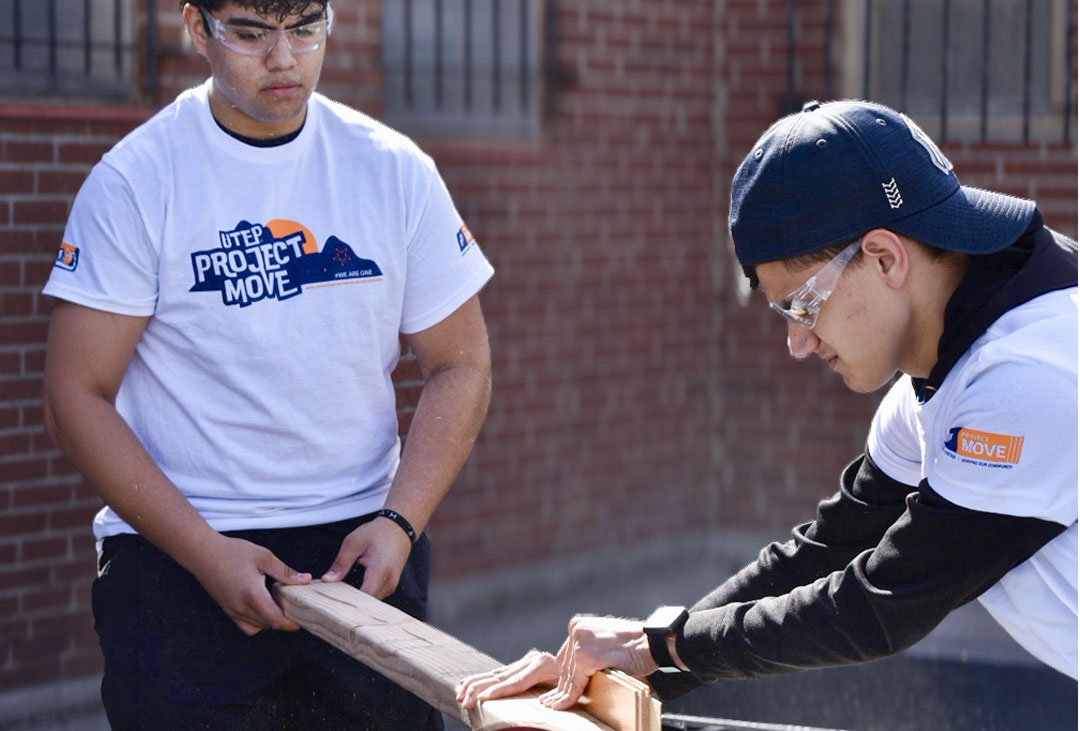

There are several ways in which students can engage in the community that involves both services to the agency as well as learning for the students. The students may participate through various models faculty can choose to use for their course(s). Below are three models that are used:
The service is embedded into courses as an option for students to participate in a community-based activity. Students may engage in short service opportunities (10-20 hours) such as events or one-day visits. Faculty can choose to work with one or multiple community organizations. The community-based activity substitutes a portion of the normal coursework. For example, a traditional research paper or group project can be replaced with an experiential research paper or personal journal that documents learning from the service experience.
Generally, all students are involved in a service experience as an integrated aspect of the course. This expectation must be clearly stated on the syllabus, with a clear rationale provided to students as to why the service component is required. Faculty can choose to work with one or multiple community organizations. If all students are involved in service, it is easier to design coursework (i.e., class discussions, writing assignments, exam questions) that integrates the service experience with course objectives. Class sessions can involve agency personnel and site visits. By working with community members, students can enhance their organizational, teamwork, interpersonal skills, and others. They also can gain important experience and knowledge by working with diverse members of the community.
Community-based projects are incorporated within courses in which students typically work in teams and engage with the community by applying classroom learning objectives through service. Students work with community members to identify a particular need or problem and propose solutions to that problem, or a professor can have a selected project and use the course and students collectively work together to address the project’s needs.
(This model may offer only limited contact with community partners and presumes that students have some specialized knowledge upon which to draw to develop plans for solving the problem).
This approach involves working closely with students to teach research methodologies that advocate for community residents and address issues of concern to the community. The results of the research are communicated to the agency so that they can be used to address community needs. Action research and participatory action research take a significant amount of time to build relationships of trust in the community and identify common research agendas; however, community research projects can support the ongoing research of faculty. Extending this type of research beyond the confines of a semester may be best for all involved.
If a faculty member is interested in participating or incorporating community engagement practices in their class, InSPIRE is available for support and guidance. We are happy to be a resource during the process.
