
Graduate Fellows
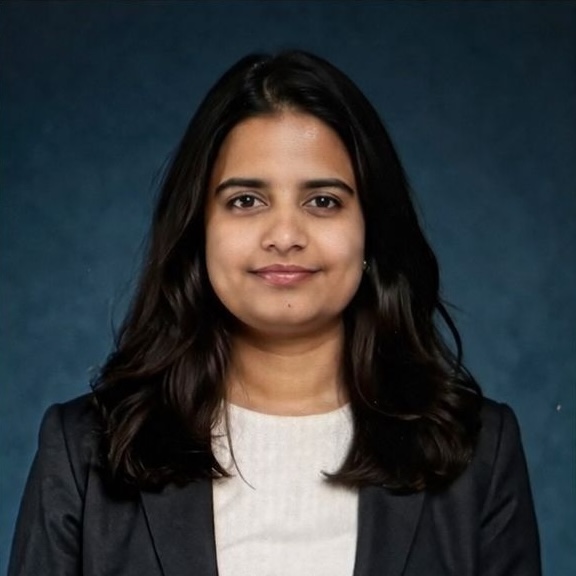
Prakriti Adhikari
This research project examines how "community" is rhetorically constructed in El Paso public discourse around migration and border life. I will analyze fifteen publicly available texts from a six-month period, drawn from local nonprofit communications, city statements, and news coverage. Using rhetorical analysis and a structured digital coding spreadsheet, I will trace how "community" defines inclusion, assigns civic responsibility, and positions El Paso identity against national immigration narratives, then compare patterns across genres to understand what contextual factors shape those differences.
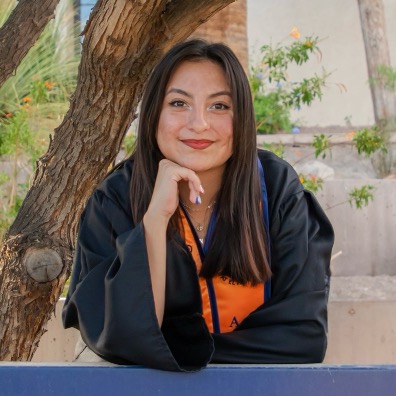
Noelle Alarcón
When women’s baseball began to reach a larger public consciousness in the United States, it was around World War II and emphasized nationalism rather women’s athleticism. These women were seen simply as replacements for the men who were off at war. This replacement narrative has dominated conversations around women athletes in the United States for centuries and is especially prominent in baseball because of its historical roots in American patriotism. This podcast is designed to change that narrative. Each of the episodes will cover different women who helped shape the history of baseball on and off the field from the late 19th century through today.

Lizbeth Garcia
This project proposes a focused examination of how Mexican and Mexican American women have been written and portrayed over time in US and Mexican cinema, by identifying recurring stereotypes within their dialogue. Using a digital humanities approach, I will analyze the five screenplays of films released in the US and Mexico spanning from the 1930s to 21st century that feature prominent examples of a Mexican or Mexican American, female lead in the eyes of U.S and Mexican cinema. The project will use women’s dialogue in film directly from three different sources: the original text from the script, the authentic audio from the film, and the translation subtitles from the film’s dialogue from English to Spanish. The data will be revealing linguistic patterns and representational trends within the screenplays.
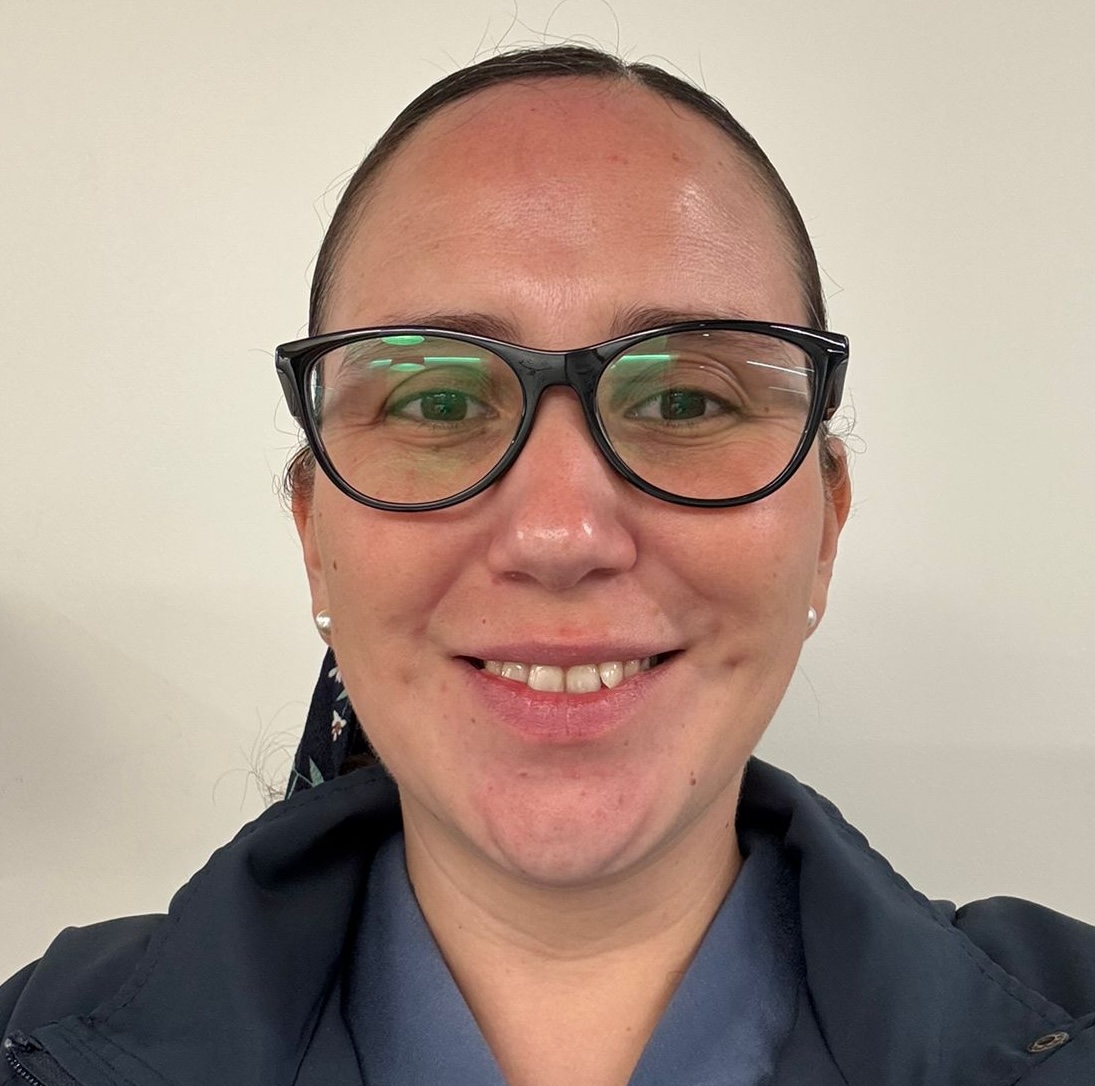
Claudia Granados
Casa de Acogida is a self-managed project in which migrant women work in the craft of embroidery, imprinting their textile creations onto canvas tote bags that are later sold through solidarity networks in Mexico and the United States. The project emerged in response to the refugee crisis at the end of 2019, which continues to this day. The digital archive I will create includes high-resolution photographs of the embroideries, additional photographs documenting the process of manufacturing and distributing the tote bags, supplementary audiovisual materials that will contextualize the importance of Casa de Acogida within the pressing situation at the Mexico–United States border, and a repository of oral and written histories of its participants as a form of hemerographic preservation.
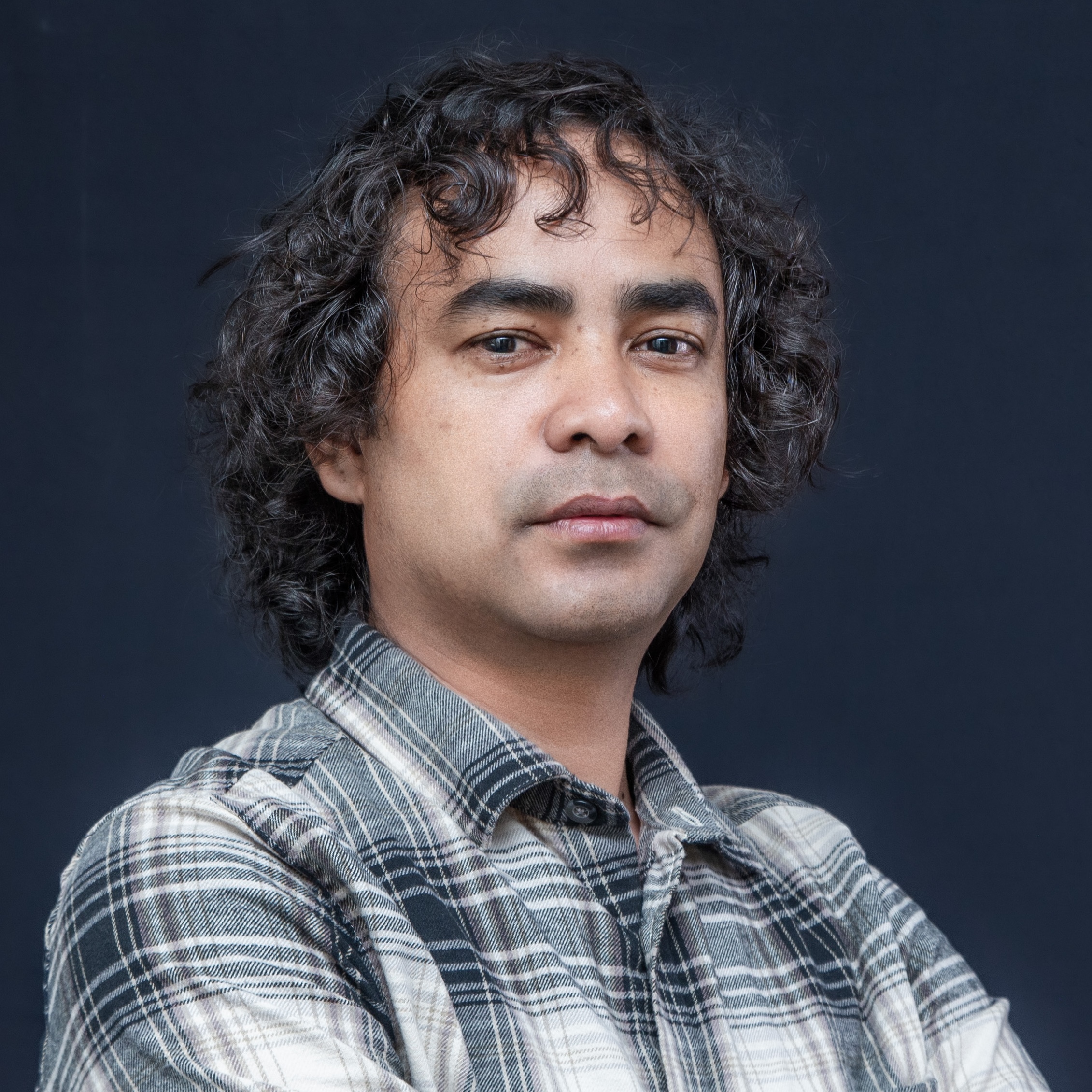
Ambir Khadka
This collaborative digital humanities project centers domestic violence victims/survivors as co-researchers and knowledge producers. Traditionally, victims’/survivors’ stories enter public discourse through institutional mediation, for instance, NGOs, legal systems, or media, often positioning victims/survivors as subjects rather than authors. This project intervenes by co-creating a digital archive with four to five DV victims/survivors residing in a Nepali shelter home in Kathmandu. Using the Photovoice method, participants capture photographic images that document their lived experiences of violence, resistance, and survival, alongside reflections on the act of image-making itself. Participants analyze their own images using the SHOWeD method, keeping their interpretations grounded in their perspectives.
Renuka Khatiwada
This collaborative digital humanities project centers domestic violence victims/survivors as co-researchers and knowledge producers. Traditionally, victims’/survivors’ stories enter public discourse through institutional mediation, for instance, NGOs, legal systems, or media, often positioning victims/survivors as subjects rather than authors. This project intervenes by co-creating a digital archive with four to five DV victims/survivors residing in a Nepali shelter home in Kathmandu. Using the Photovoice method, participants capture photographic images that document their lived experiences of violence, resistance, and survival, alongside reflections on the act of image-making itself. Participants analyze their own images using the SHOWeD method, keeping their interpretations grounded in their perspectives.
Kevin Moreno
Long before digital platforms, Indigenous communities preserved history through experiential systems such as cooking, crafting and storytelling. These practices function as interactive designs, encoding memory through repetition, timing and feedback. Playable Knowledge proposes a public-facing digital prototype that models cultural and creative processes as navigable systems via web design. Drawing from game studies and Xicanx studies, the project uses the language of games—progression, mechanics, stages, and constraints—not to gamify culture, but to make visible how knowledge already operates through doing. Traditional chocolate-making practices associated with Chiapaneco artisans and its continuation through the local Cacao Coyatoc store serve as one illustrative example among many, demonstrating how everyday labor accumulates into cultural memory.

Alex Ohemeng
Photography arrived in West Africa during the mid-19th century as a colonial technology (Schneider, 2022), however, African photographers appropriated the medium to document their communities. Studies on early West African photography has mainly centered on male photographers such as J.K. Bruce-Vanderpuije, Alex Acolatse, and James Barnor, and this leaves the contributions by women systematically obscured. This project challenges this historiographic imbalance by building a digital archive that documents women photographers in West African photography and the various roles they played from the 1850s through the 1980s. The project creates a digital archive with features such as network maps, timelines, exhibition and analytical commentaries to theorize patterns of exclusion and tokenism in West African photography. Rather than treating few women as exceptional tokens, the archive will show networks of women’s participation during the early years of photography in the region.


