
MinerAlert
MinerAlert
The UTEP Export Control Program assists university personnel with the identification and management of research projects subject to U.S. export control laws. The program is part of UTEP’s Office of Research & Innovation (RI) and is managed by the University’s Export Control Officer (ECO), who also serves as the Director of Research Protections (See Figure 1). The UTEP Vice President for RI has been designated as the University’s Empowered Official (EO) for export control purposes.
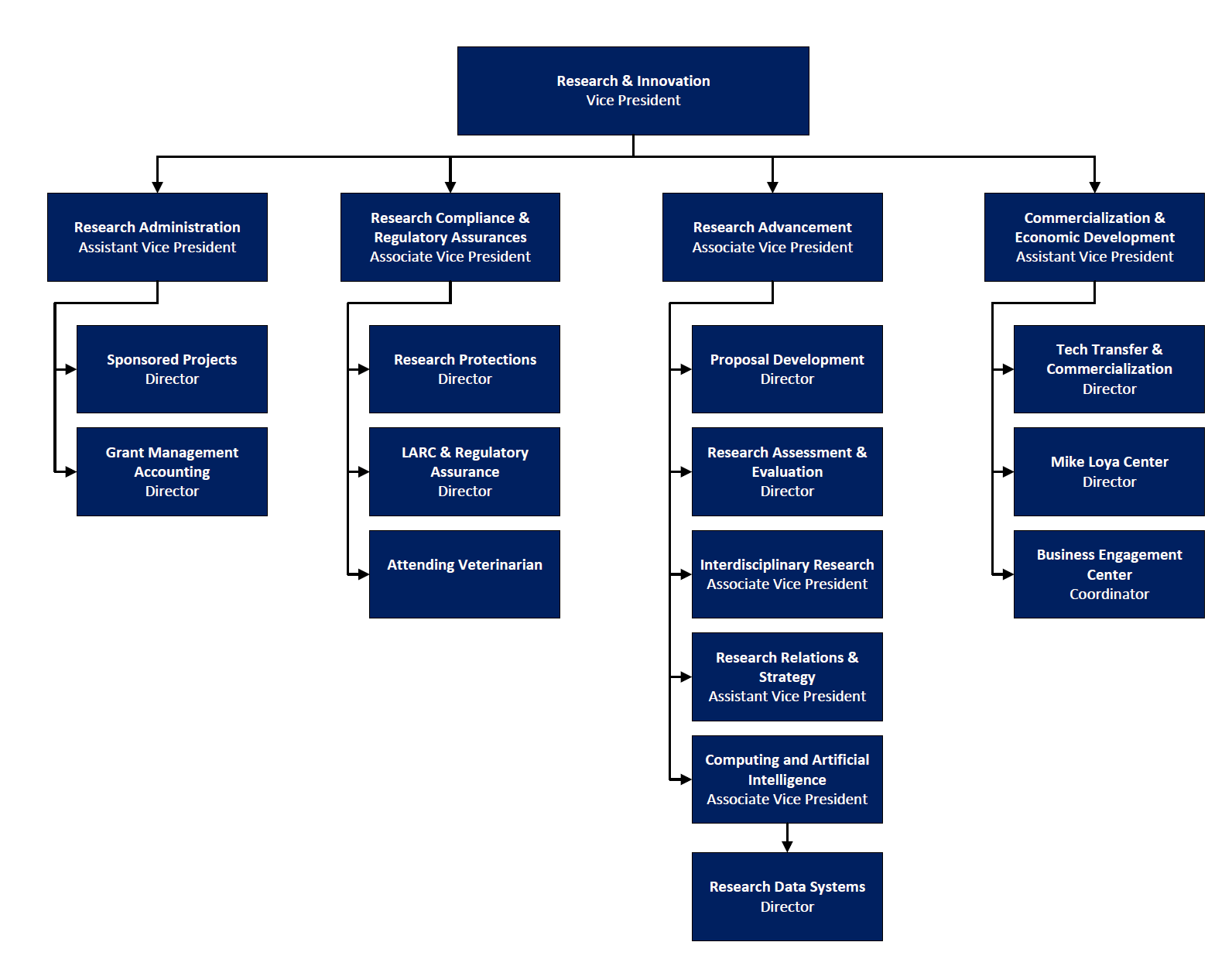
The Export Control Officer assists members of the university community with assessing their export control obligations and facilitates the procurement of required export licenses. The ECO works with UTEP’s Export Controls Committee (ECC) to provide oversight for research that involves export controls. The ECC, whose members include UTEP leadership from key departments, as well as administrators from units engaged in export-controlled research, has the following responsibilities:
Because violation of U.S. export control regulations can result in fines and sanctions against both individual researchers and UTEP, UTEP policy requires all university personnel to be aware of and comply with export control regulations and applicable university policies and procedures. With regard to specific research projects, UTEP policy places primary compliance responsibility on researchers. All researchers are expected to notify appropriate administrative staff when they suspect that export control laws apply to their research and to ask the ECO for assistance in making a determination, when necessary.
The ECO will, upon notice or request, determine the licensing requirements for the export of any item (e.g., software, technology, or information) from the university to destinations outside the U.S. To make this determination, the researcher must provide the following information to the ECO:
Determining the licensing requirements of an item can be a complicated process, requiring the proper classification of the item and verification and clearance of the target destination, end use, and end users. The final determination of whether an item requires a license, qualifies for a license exemption, or can be exported as “No License Required” will be made by the ECO, in consultation, when applicable, with the ECC and the researcher(s). If a license is required, the ECO will coordinate the license application process. Obtaining a license can take two to six months (or longer), and there is no guarantee that a license will be issued. No export (or deemed export as discussed further below) may take place until any required license or license exemption is obtained, or until the ECO has reached a “No License Required” determination.
The release or transmission of information or technology subject to Export Control regulations to any foreign national within the U.S. is a “Deemed Export” and is considered to be an export to that person’s home country. Examples of “releases” to foreign nationals can include providing access to controlled software, technology, or equipment by visual inspection or use; providing access via tours of facilities; providing access to technical specifications; and oral or written exchanges of information. In some instances, a license may be required before the information can be released. It is the responsibility of the ECO in consultation, when applicable, with the ECC and researchers to determine the licensing requirements involving deemed exports. To make this decision, the researcher needs to provide the following information to the ECO:
The final determination whether a “deemed export” requires a license and whether UTEP will pursue a license will be made by the ECO in consultation when applicable, with the ECC and the researchers. If a license is required, the ECO will coordinate the license application process. Obtaining a license from the various departments of the U.S. Government can take two to six months (or more), and there is no guarantee that a license will be issued. A “deemed export” of information or items to foreign nationals within the U.S. may not occur until the required license is obtained, and researchers should consider this U.S. Governmental timeframe in determining when to initiate their consultations with the ECO.
Last Revision May 16, 2025