MinerAlert
MinerAlert
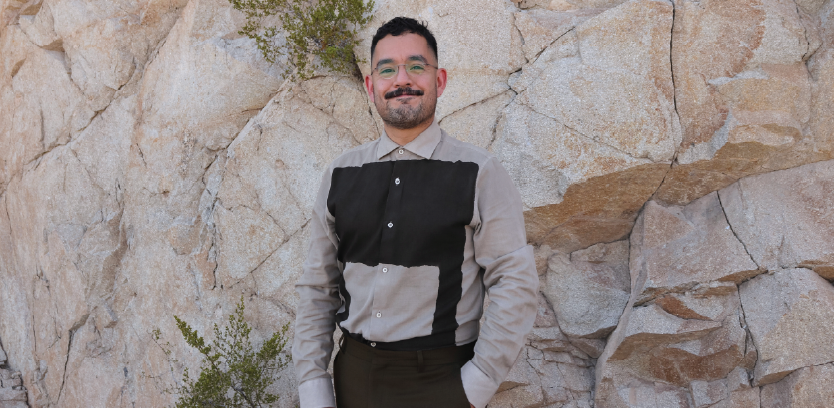 |
I am honored and excited to write to you for the first time as Director of the Stanlee and Gerald Rubin Center for the Visual Arts at The University of Texas at El Paso.
This appointment is deeply meaningful to me. Nearly two decades ago, I first walked through the Rubin Center's doors as an undergraduate student at UTEP. While studying Graphic Design and Ceramics, I joined the Rubin Center as a gallery intern, where I had my first opportunity to work alongside artists, curators, and educators. Those experiences shaped my understanding of what a career in contemporary art could be and eventually led me to earn an MFA from the California Institute of the Arts (CalArts) before spending a decade at Craft Contemporary in Los Angeles as Creative Director and Curator. Returning to the Rubin Center last year as Senior Curator felt like coming full circle. To now be appointed Director of the institution where my arts career began is both humbling and an extraordinary privilege.
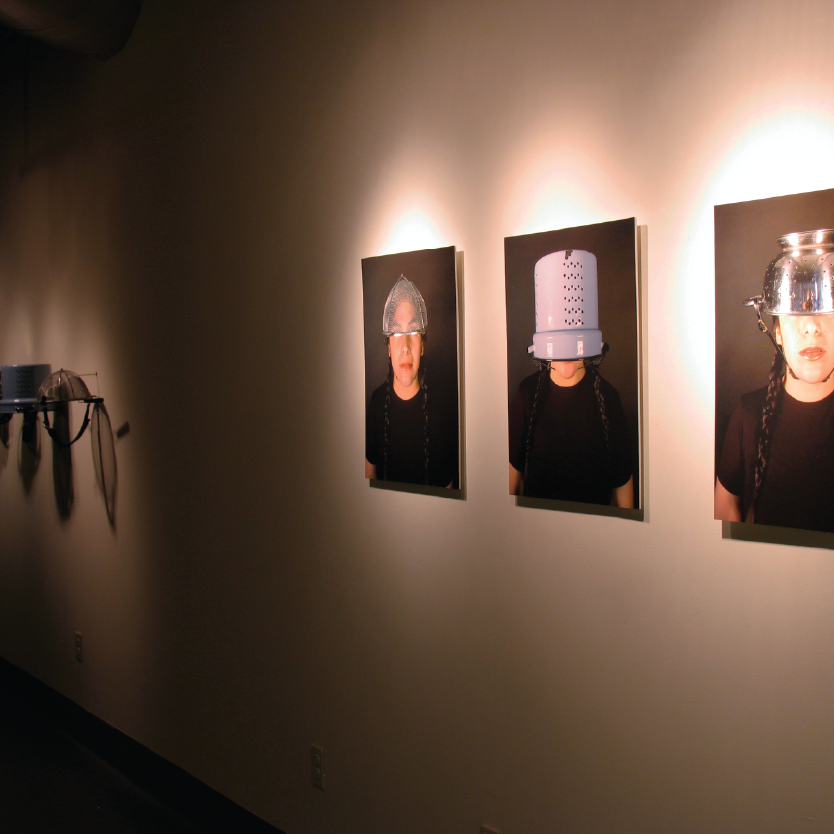
As I step into this role, I do so with deep gratitude for the many people who have shaped the Rubin Center over the past twenty years, especially its two previous directors. Founding Director Kate Bonansinga established the Rubin Center as an ambitious university art center grounded in artists, experimentation, and material practice. The first exhibition I experienced at the Rubin Center was Multiplicity (2006), curated by Kate Bonansinga and Vincent Burke. To say that it expanded my understanding of contemporary art would be an understatement. It completely changed the trajectory of how I thought about art, introducing me to craft and material practice as spaces for critical inquiry, experimentation, and cultural dialogue.
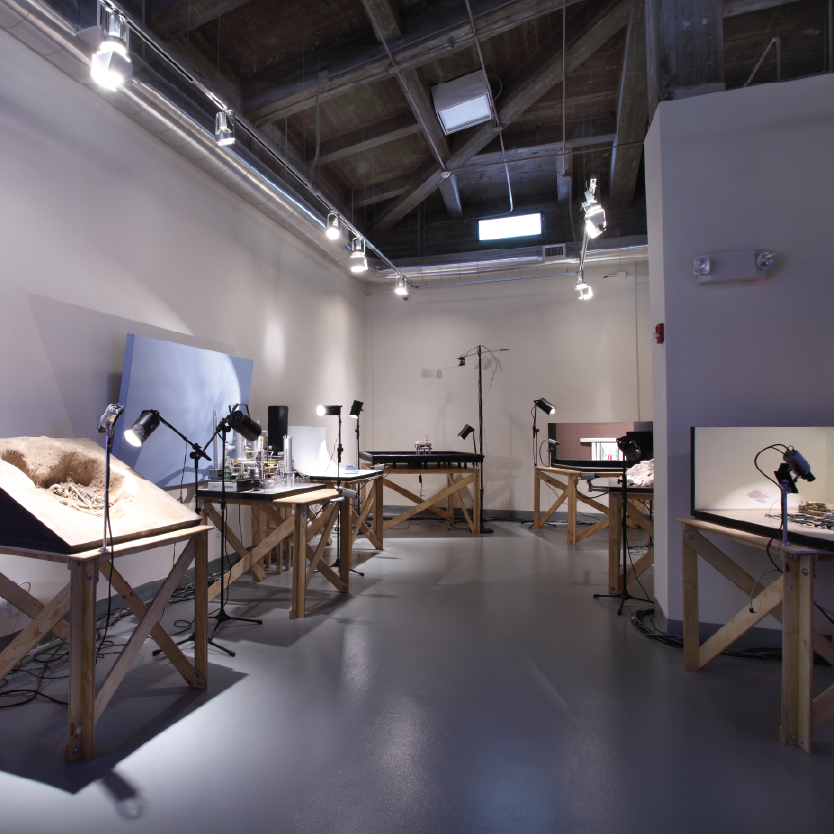
Kerry Doyle built upon the Rubin’s foundation, establishing it as a nationally respected institution through sustained binational collaborations and exhibitions with artists from across the United States, Mexico, Latin America, and beyond. As a gallery intern, I had the opportunity to work on exhibitions like Battleground (2009) and Contra Flujo: Independence and Revolution (2010), where I worked alongside artists whose practices introduced me to how art can engage the social and cultural realities of our lives. Kerry's exhibitions embraced ambitious, experimental approaches while remaining deeply rooted in the lived experiences of our region. Together, Kate and Kerry profoundly impacted my understanding of contemporary art and curatorial practices, and I remain deeply grateful for their mentorship.
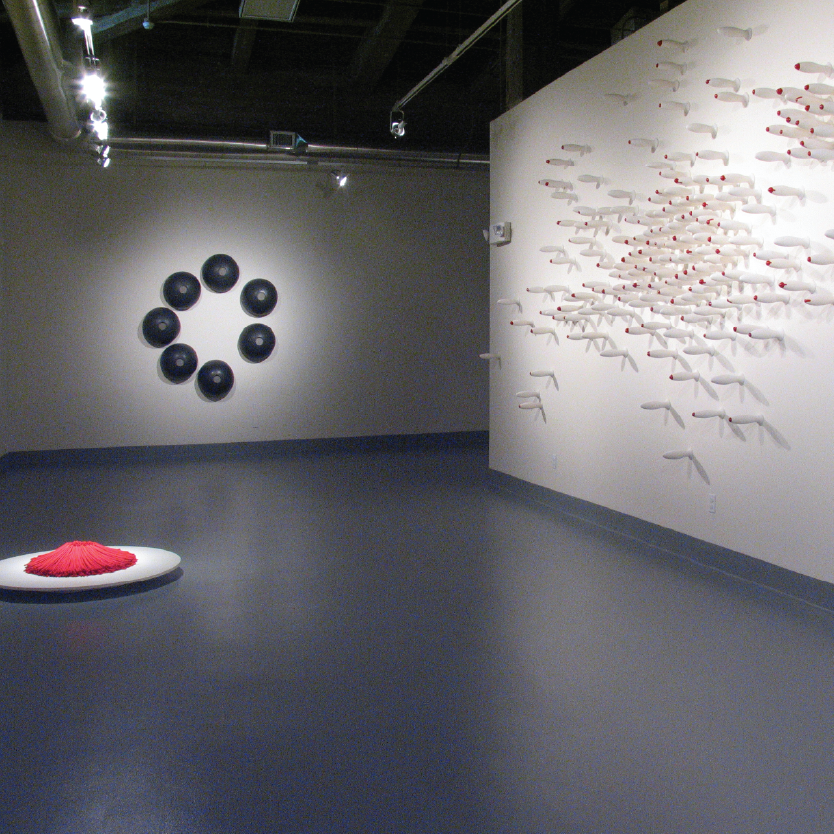
Rather than beginning something entirely new, I see this moment as an opportunity to continue building upon that remarkable history. The Rubin Center has always occupied a unique place within our university and within the Paso del Norte region. It is a place where artists are invited to experiment, where students encounter contemporary art in meaningful ways, and where binational dialogue develops through long-term relationships with artists, scholars, and communities. Those values will continue to guide our work.
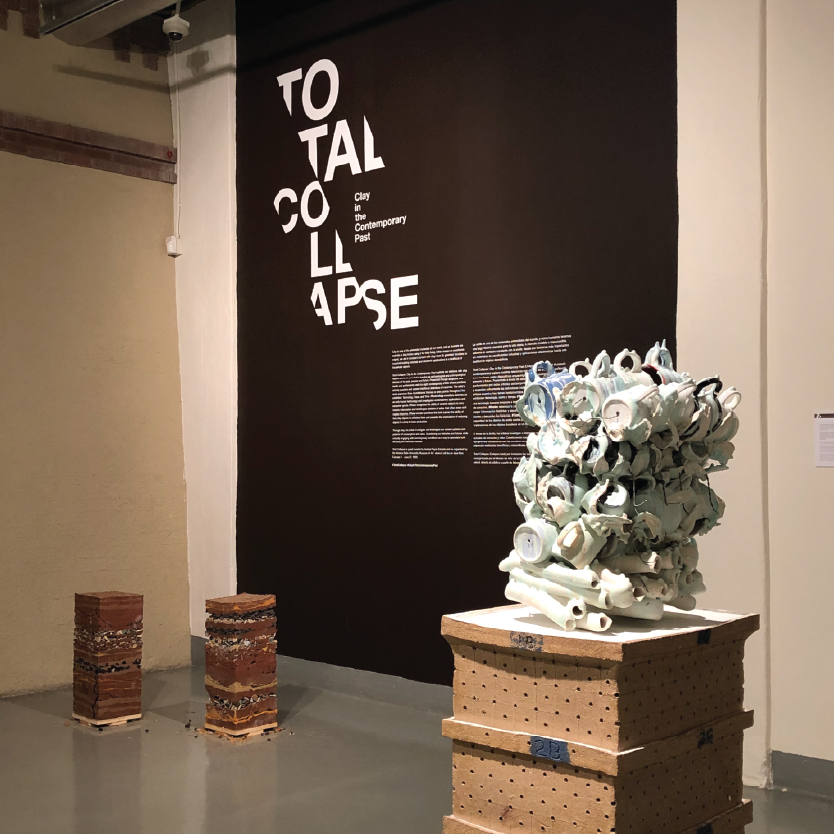
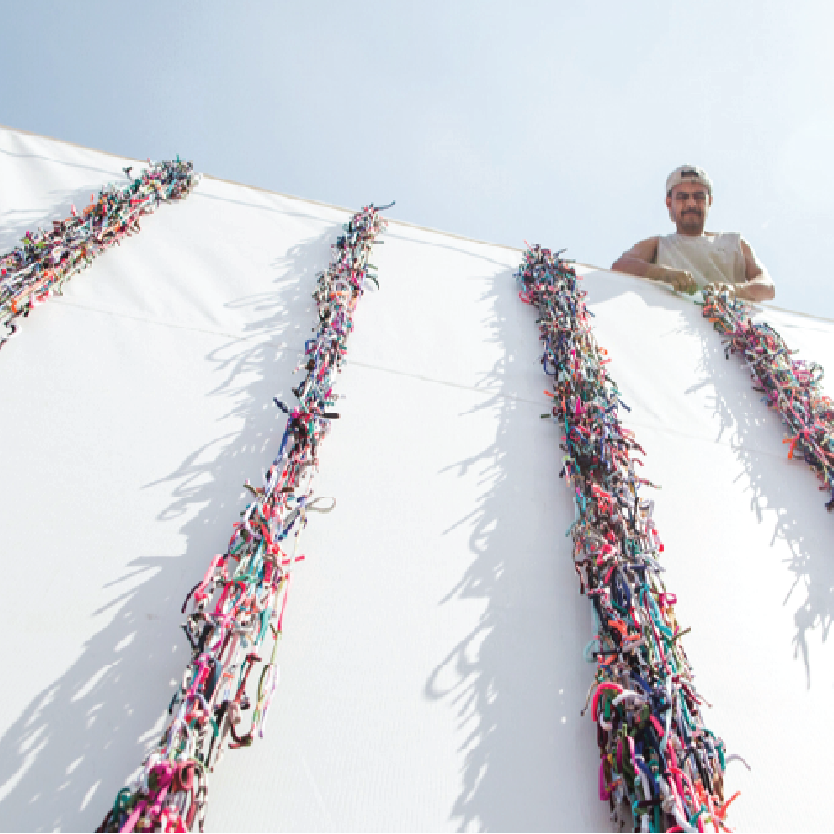
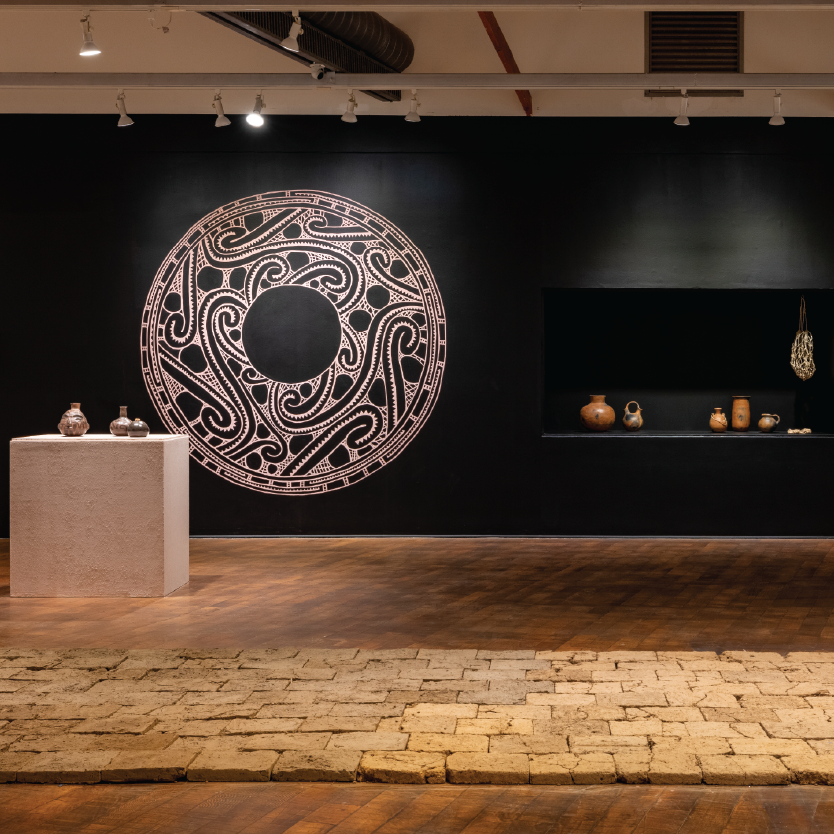
As we begin the 2026–2027 academic year, our exhibitions reflect that ongoing commitment. This fall, Costuras Territoriales brings together artists including Margarita Cabrera, Teresa Margolles, Tania Candiani, Tania Aguiñiga, and Olga Guerra to consider textiles as sites of memory, labor, and material knowledge. Alongside it, the Rubin Center will present solo exhibitions by artist collaboratives and collectives, AMBOS and Nortejiendo. In November, the Rubin Center will be a part of SUTURA, a new binational initiative developed with museums, artists, galleries, and cultural organizations across Ciudad Juárez and El Paso. In Spring 2027, all of our galleries will come together for tierra, an exhibition developed in collaboration with Craft Contemporary in Los Angeles, California that brings together artists including Adebunmi Gbadebo, rafa esparza, Syd Carpenter, Joanna Keane Lopez, Jeri Redcorn, and others to explore expanded ideas of clay, land, ecology, and belonging. Together, these projects continue the Rubin Center's commitment to artist-led inquiry while expanding conversations around material practice and the many perspectives that emerge from our region.
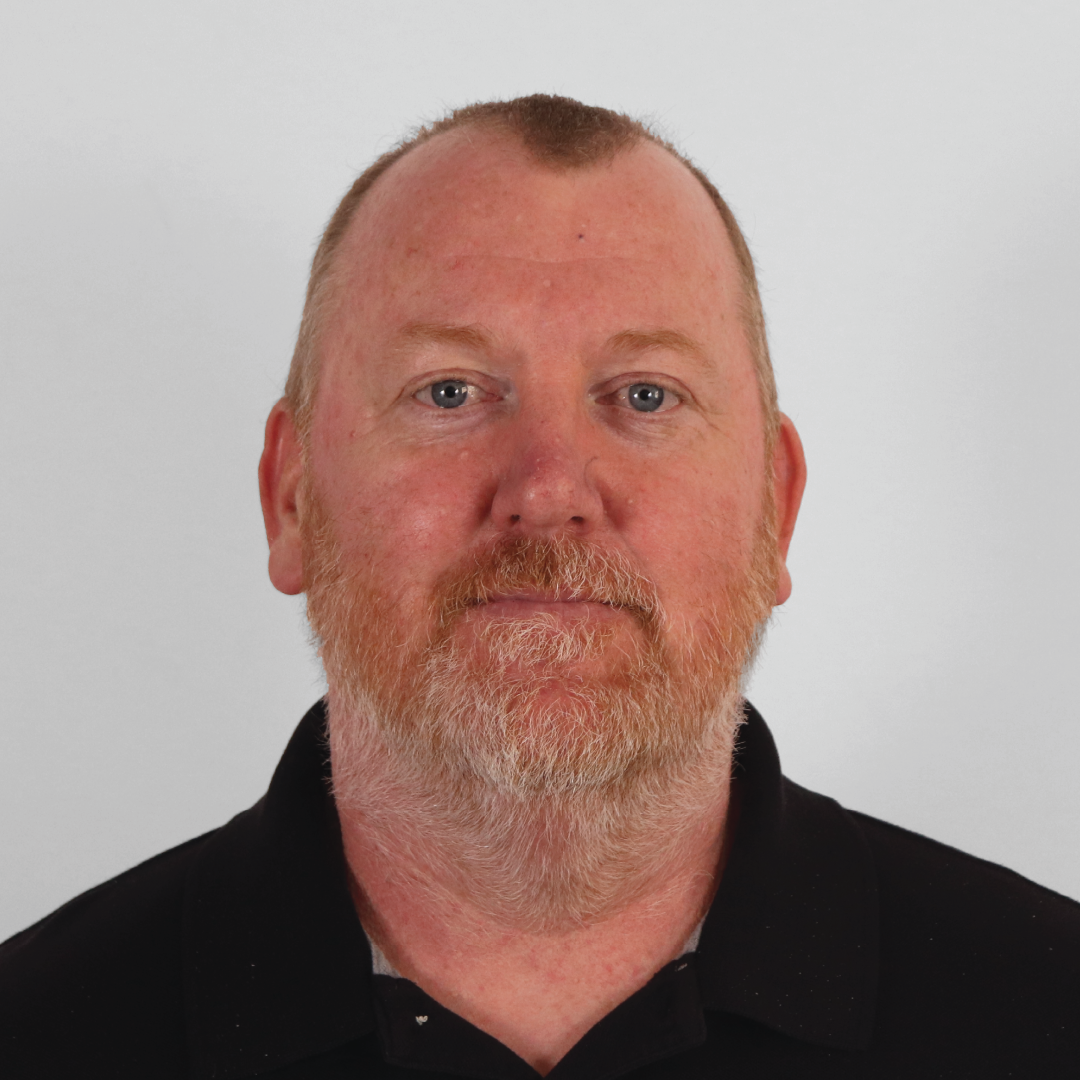
This next chapter is also being shaped by an extraordinary team. I am thrilled that John Leo De Frank has accepted the role of Assistant Director after already contributing significantly to the Rubin Center over the past several years. His many years at UTEP, together with his leadership of initiatives such as Layers of Rome and Humanities in the Landscape, reflect a deep commitment to interdisciplinary collaboration, student engagement, and public engagement. His knowledge of the University and our community makes him an invaluable partner as we continue strengthening the Rubin Center's role both on campus and throughout the region. I am equally grateful for Victoria Aviles, Jonathan Gonzalez, Jose Krapp, Henry Schulte, and our student employees and interns. Their creativity, generosity, and dedication make every exhibition, program, and visitor experience possible. The Rubin Center has always been a collaborative institution, and I feel incredibly fortunate to work alongside people who care so deeply about its mission.
As an artist, curator, and now Director, I continue to believe that contemporary art can create meaningful connections between people, ideas, and places. The Rubin Center can only exist here. It has been shaped by this region, by the artists who have trusted it, by generations of students, and by the relationships that continue to grow across Ciudad Juárez and El Paso. It is a privilege to help steward that legacy, and I look forward to building its future together.
Thank you for your continued support of the Rubin Center. I look forward to welcoming you into our galleries this year.
Warmly,
Andres Payan Estrada
Director and Chief Curator
 |
“I met Kerry many moons ago through different artist and community circles, and she has always been extremely supportive of artists and community collaborations, as she did when she hosted one of our annual Del Corazón Film Festivals with our collective, Hunan Ku, at the Rubin Center over a decade ago. Then, in recent years, an opportunity crossed my path to join the Rubin Center team and work alongside Kerry, allowing me to appreciate all she has done for our community and the truly outstanding, talented team she brought together to present remarkable exhibitions, educational programming, and outreach in contemporary art. |
|
The Rubin Center has been a bridge connecting local, regional, and international communities through art and programming, and so, in appreciation of that tradition, I, along with Andres, our new Director, hope to further the collaborations and commitments the Rubin Center team has cultivated for years. I'm eager, inspired, and humbly challenged to continue the work and wonder the Rubin Center has developed on the frontera and beyond, and to help push those boundaries even further in our relationship with art and the communities we serve.” — John Leo De Frank, Assistant Director |
The Rubin Center for the Visual Arts is a bridge between the university and the world beyond its walls. The Center supports artist-led and community-centered explorations of contemporary life from the US-Mexico border. Through rigorous and risk-taking programs, exhibitions, and performances, the Center invites dialogue between diverse publics —campus and community, local and international— across disciplines and geographies. We serve as a dynamic training ground for a new generation of creative practitioners who are expanding the ways that artists can exist in the world.