
MinerAlert
MinerAlert
Fort Bliss
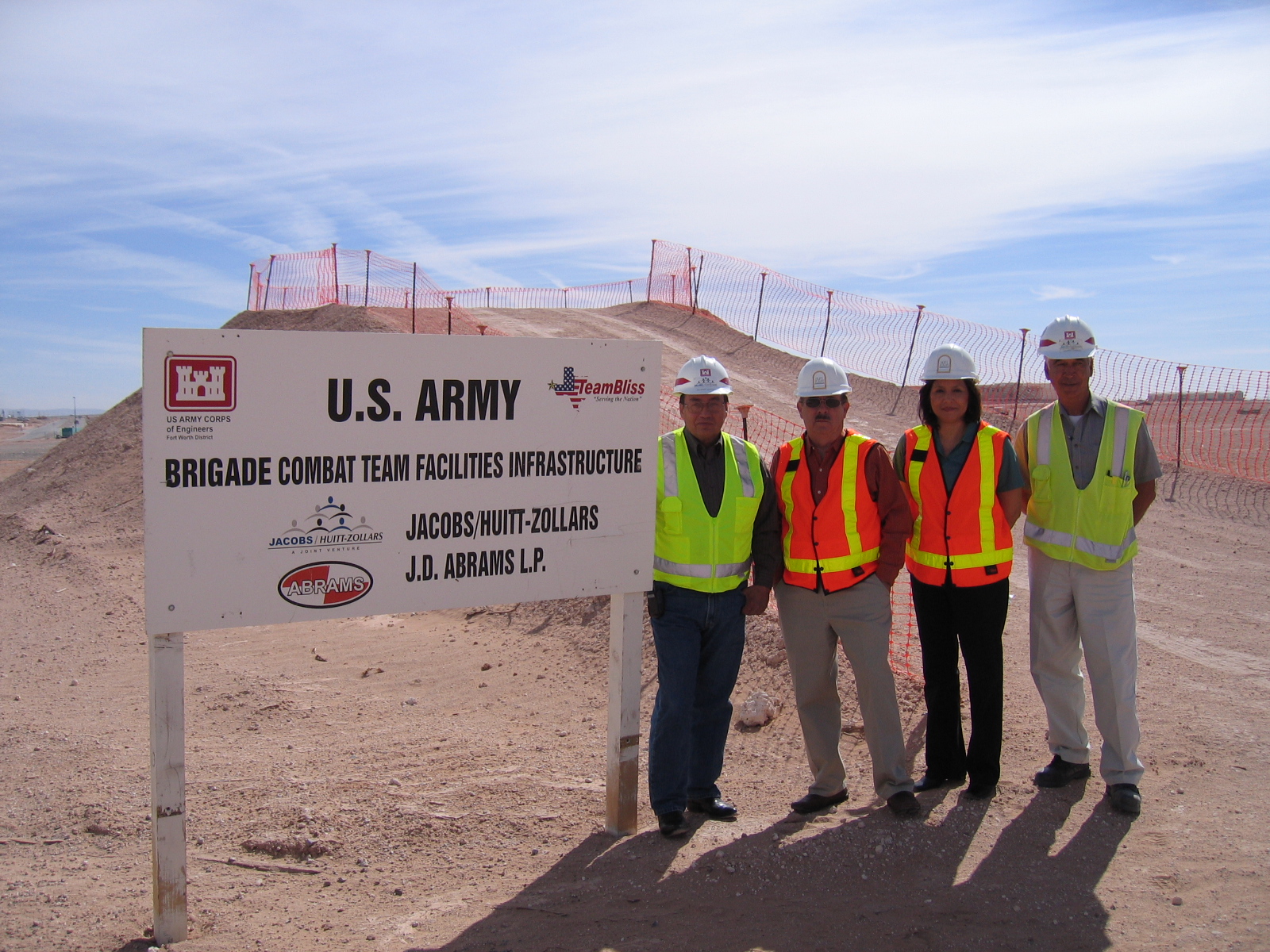
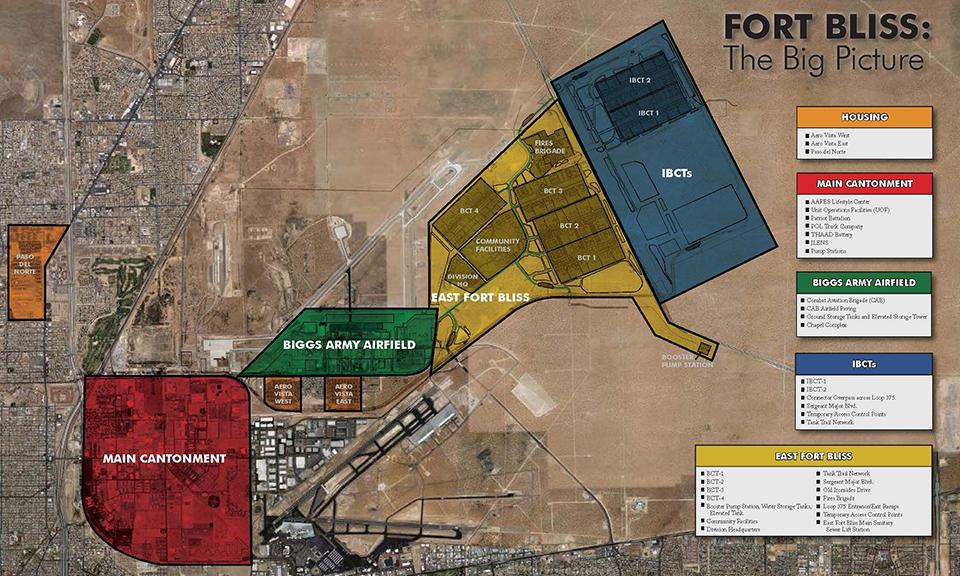
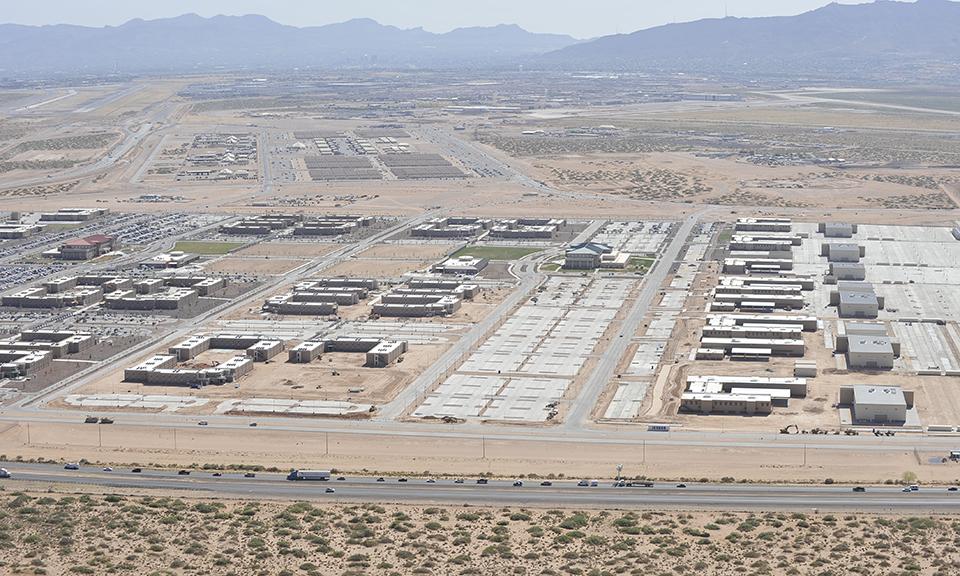
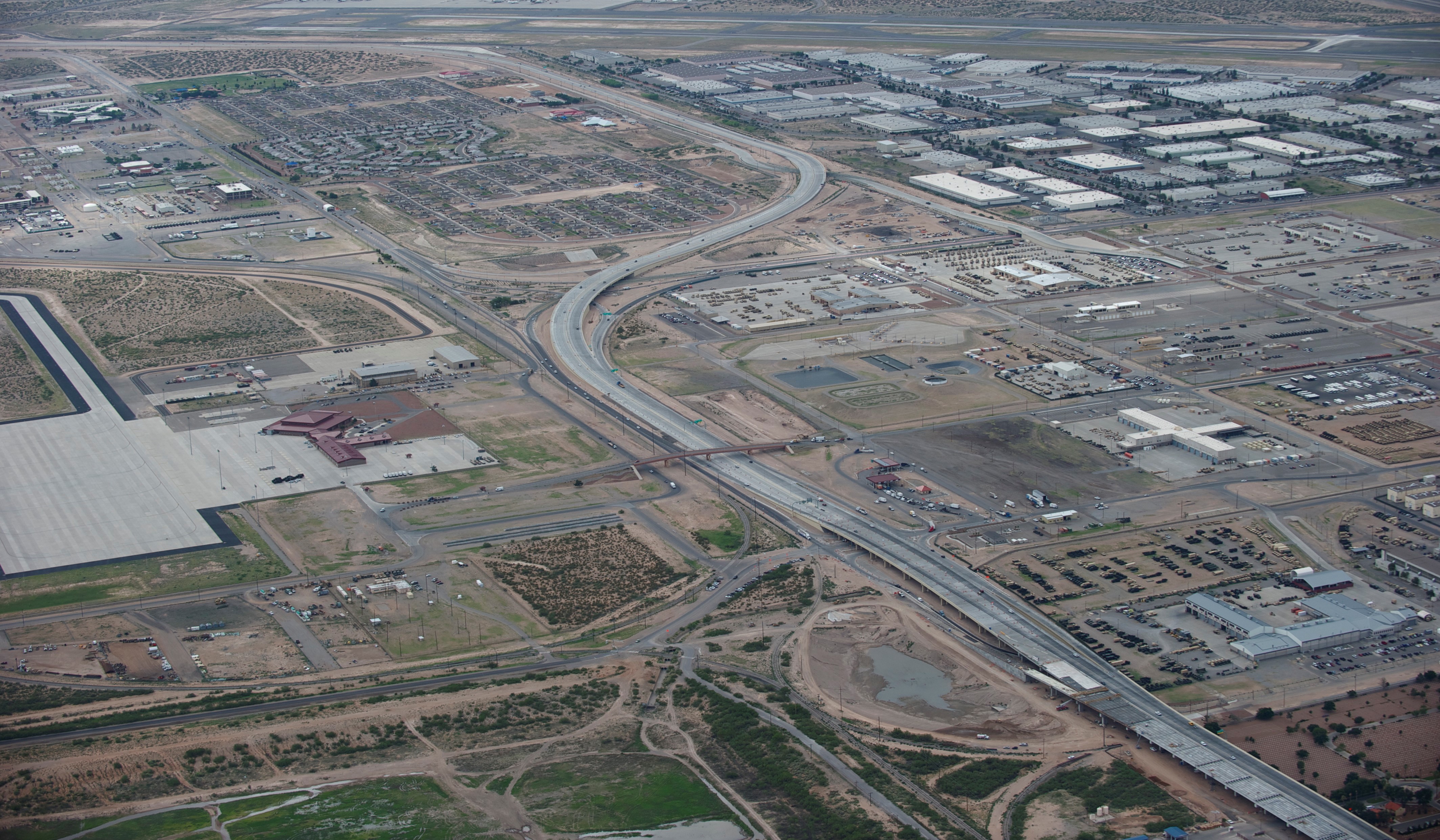
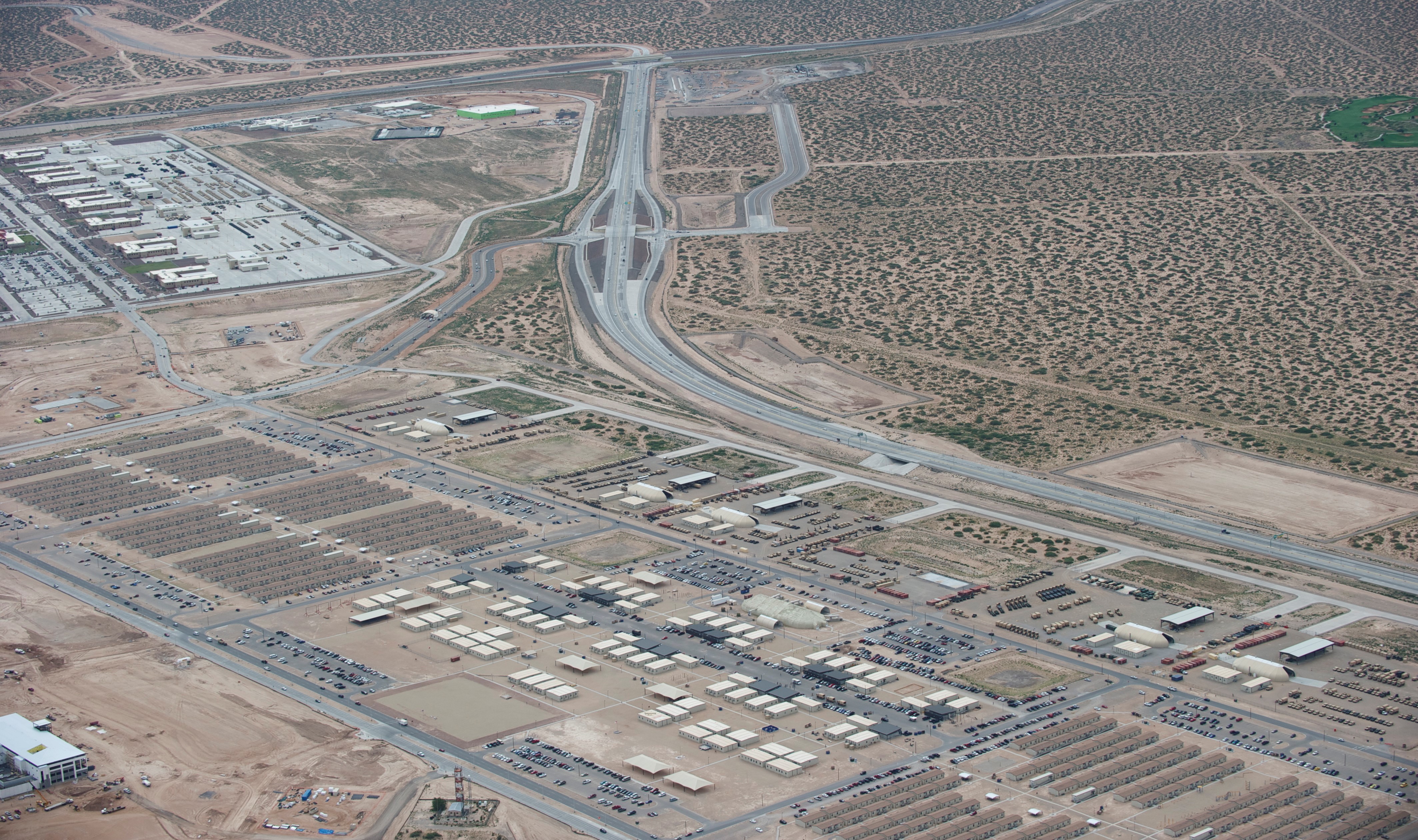
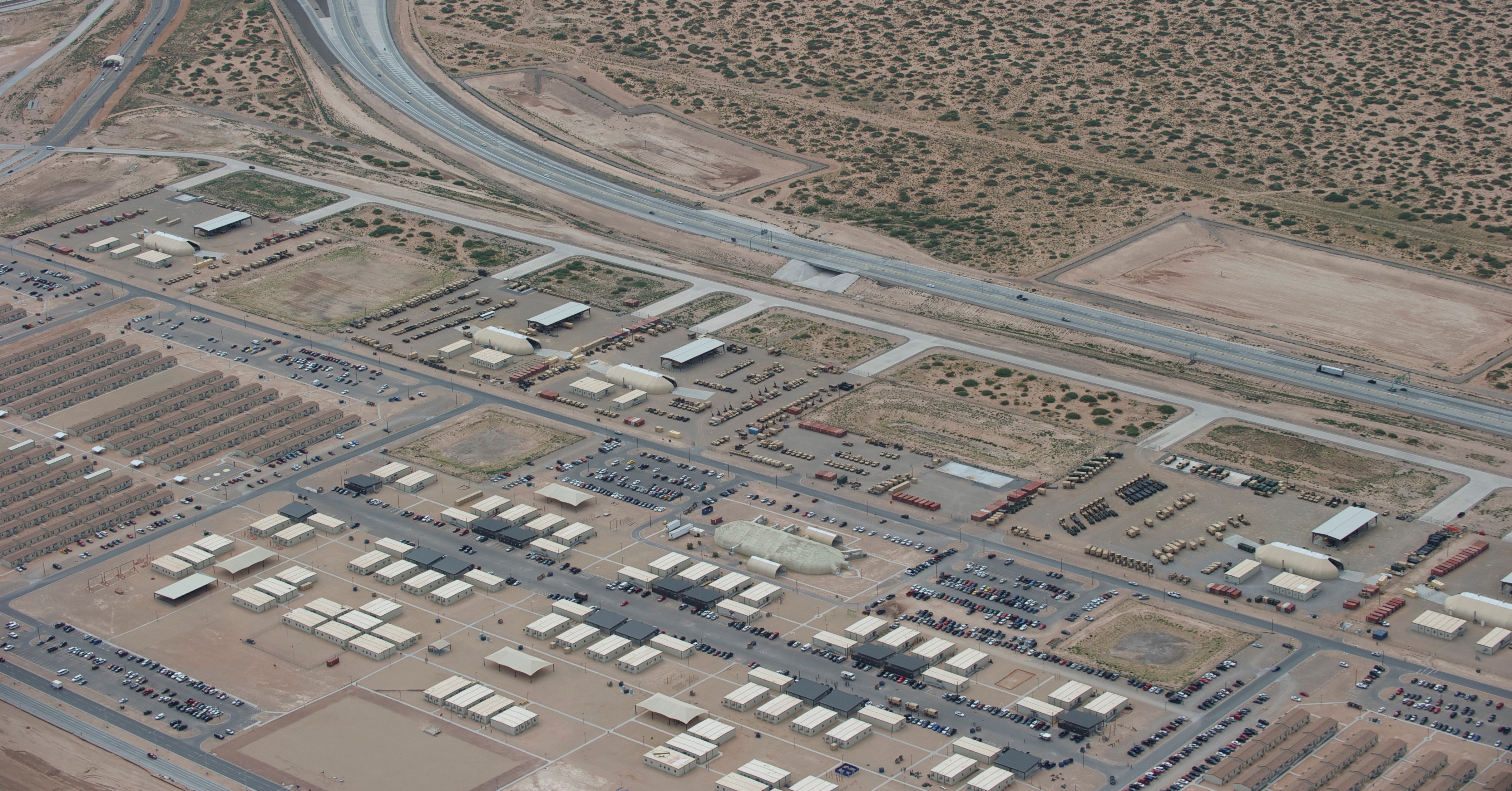
For decades, UTEP civil engineers have shaped Fort Bliss by constructing and renovating barracks, designing roads and storm drains to reduce flooding, and building sportsplexes. In 2005, the Base Realignment and Closure Commission (BRAC) brought a $4.8 billion expansion to Fort Bliss. Isabel Vasquez, working for Huitt-Zollars, the Land Development Engineer for the BRAC expansion, designed infrastructure for the 2,500-acre site, which included sewage, gas, and communication systems, roadways, and landscaping. El Paso’s economy benefited from the $4.8 billion base expansion; some economists even suggested that it helped shield the city from the 2008 Financial Crisis.
Fort Bliss
Durante décadas, los ingenieros civiles de UTEP han dado forma a Fort Bliss mediante la construcción y renovación de cuarteles, el diseño de carreteras y desagües pluviales para reducir las inundaciones y la edificación de complejos deportivos. En 2005, la Comisión de Cierre y Realineación de Bases (BRAC, por sus siglas en inglés) trajo una expansión de $4.8 mil millones a Fort Bliss. Isabel Vásquez, que trabaja para Huitt-Zollars, ingeniera de desarrollo de terrenos para la expansión de BRAC, diseñó la infraestructura para el sitio de 2,500 acres, que incluía sistemas de alcantarillado, gas y comunicación; carreteras y paisajismo. La economía de El Paso se benefició de la expansión de la base de $4.8 mil millones; algunos economistas incluso sugirieron que ayudó a proteger a la ciudad de la crisis financiera de 2008.
CE: What projects in the El Paso area have your worked on?
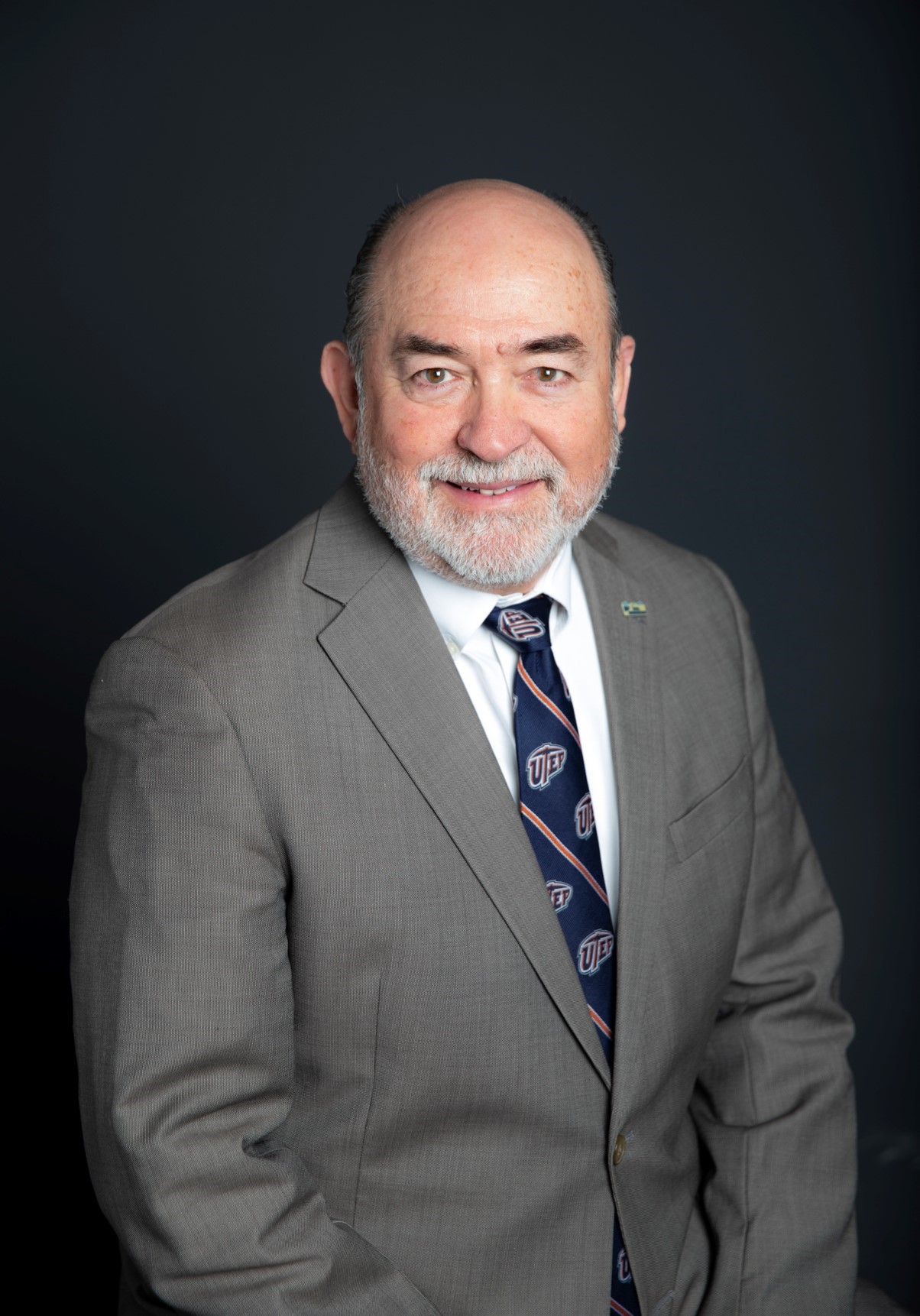
ED: When I was a young engineer, I worked at Fort Bliss. We helped upgrade a lot of the barracks and roadways, built sportplexes, and did a lot of work regarding storm drainage. I was project manager manager for the international airport expansion. We did the expansion to the Civic Center when the Democratic Convention was coming to El Paso, then went private sector and worked on the Kay Bailey Hutchinson Plant. I then jumped over the International Boundary and Water Commission. President Obama appointed me to that position, which was very rewarding. I worked on projects all over the region and in other parts of the international boundary. It took me away from El Paso quite a bit, but my heart is still right here.
Ed Drusina
Title: Construction Manager
CE: What projects in the El Paso area have your worked on?
DL: With the US Army Corps of Engineers, I worked for the United States section of the International Boundary and Water Commission (USIBWC) for almost 16 years. I worked on cooperating with the city of El Paso and other water entities in developing a comprehensive plan on water usage in the El Paso area. As part of the USIBWC, I also worked on two major wastewater treatment plants, the South Bay International Wastewater Treatment Plant in the San Diego area, and one in Nogales, Arizona. Both were certainly fascinating engineering projects.
Debra Little
Title: Construction Manager
CE: What projects in the El Paso area have your worked on?
RO: I have worked with different agencies in El Pasp. One of the major projects I came in 1974 was taking the irrigation canals which are historical, they're very old, and lining them in concrete. So, that was a design and construction effort that was done for years between '74 and '78. That was with the Bureau of Reclamation. Then I did some work with the International Boundary and Water Commission and that was all along the US-Mexico border from San Diego to Brownsville. But in El Paso, it was the operation and maintenance of the local river channel. And while I wasn't responsible for that, I was administrative officer at one time and eventually the acting commissioner for the Boundary Commission. Those are the projects that I worked on. And the I had a construction company in the 80's and that one constructed buildings as oppposed to civil works. And that was a lot of work at Fort Bliss, White Sands and some buildings that was pretty big for its time. We did a design-build project for the German Patriot Facility in Fort Bliss. The company I had also worked in Dallas and out of town in different areas, including a design build of an embassy in La Paz, Bolivia.
Rev. Roberto Ortega
Title: Supervisor / Project Manager
CE: What projects in the El Paso area have your worked on?
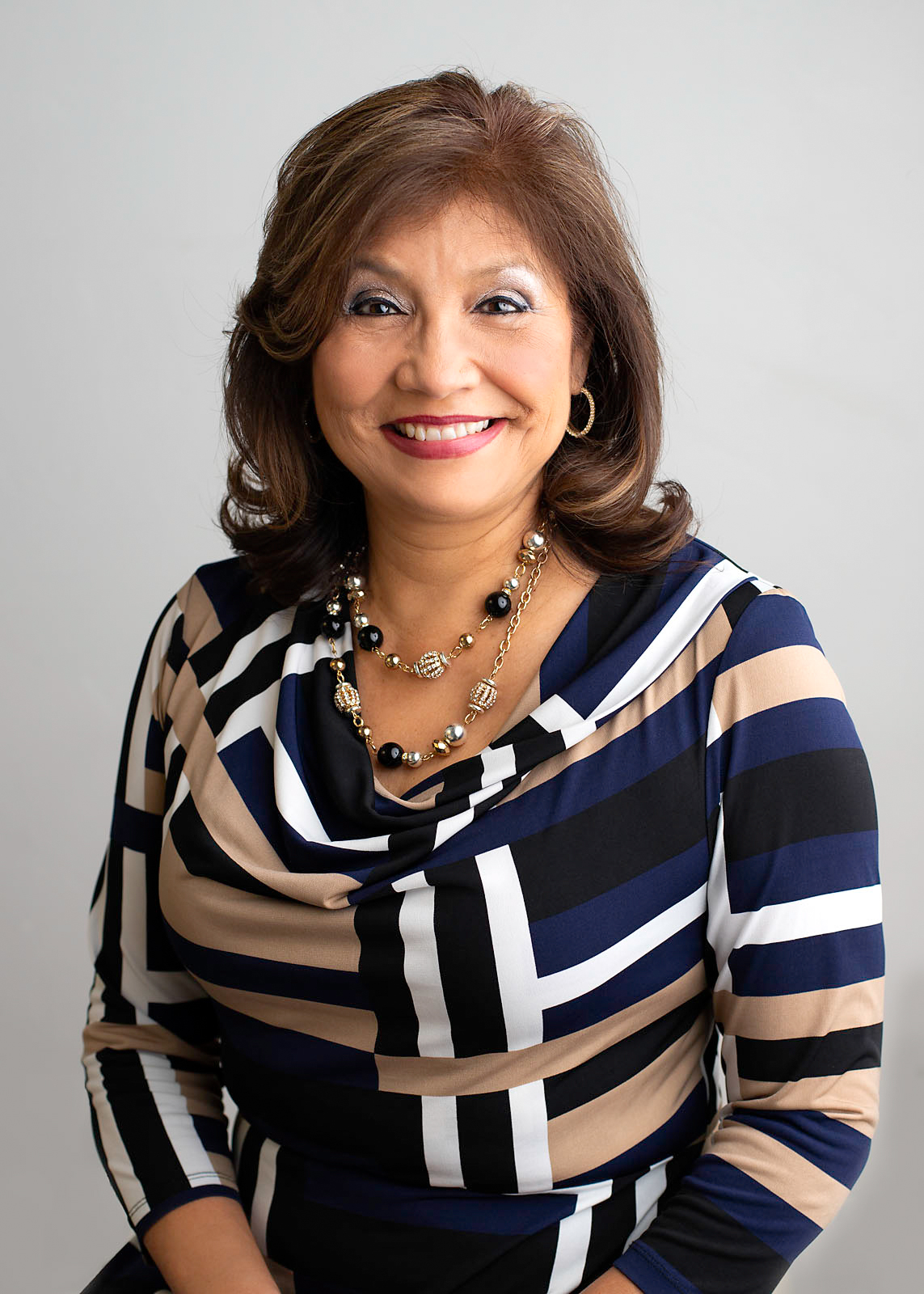
IV: One of the largest projects that I worked on was the $4.8 billion Fort Bliss expansion. On that project, we designed all the infrastructure from underground up, which was the water system, sewer systems, gas systems, electricity, communications, storm roadways, and landscaping. This was for a 2,500-acre site, similar to a small city like Las Cruses or Rhode Island. So, we pretty much designed the infrastructure for a small city.
Isabel Vasquez
Title: Project Manager for design
CE: What projects in the El Paso area have your worked on?
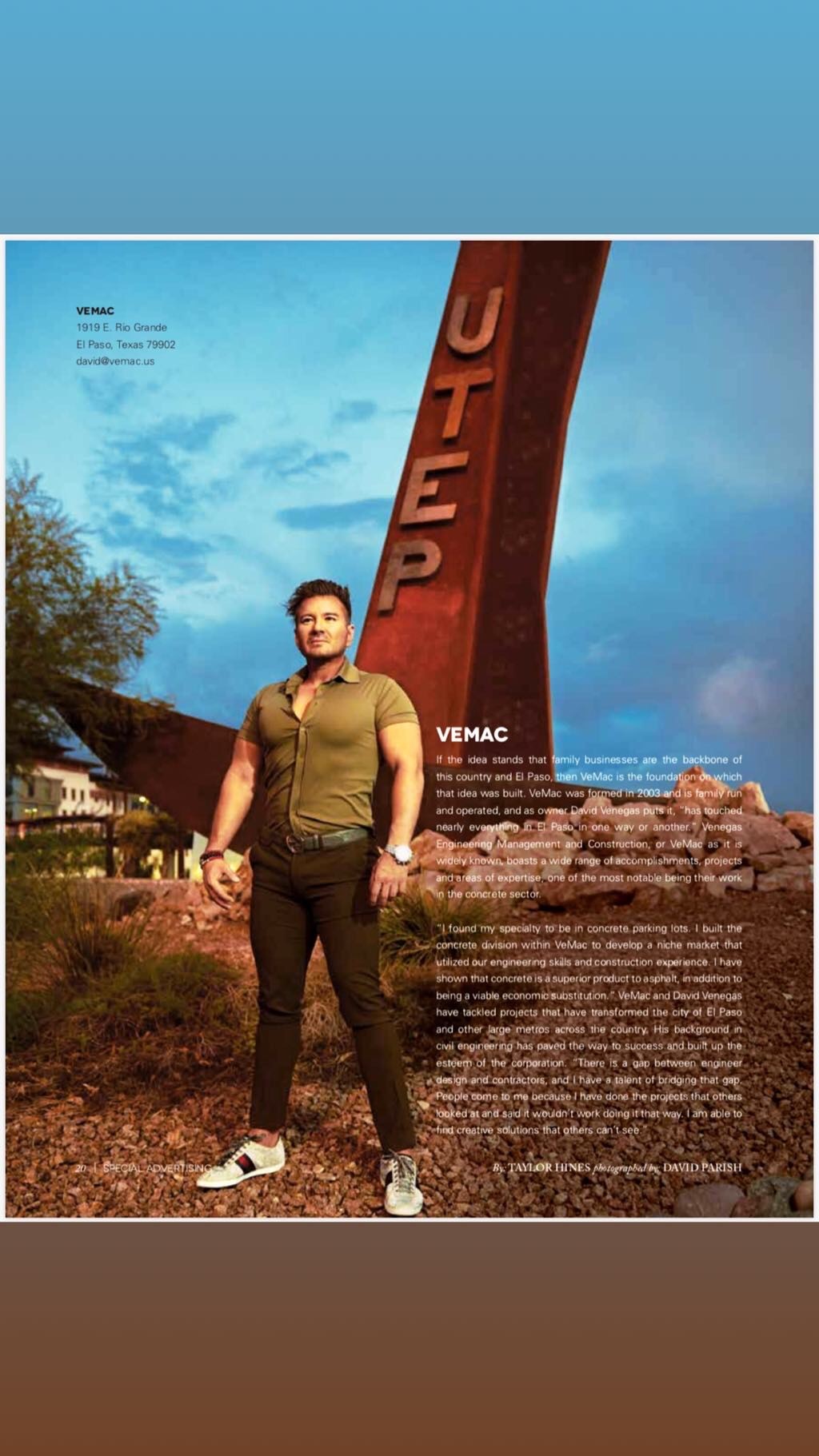
DV: In the last seven years or so, every single project probably touched something concrete-related in this market. I guess you could say my career started at Ft. Bliss and then from there jumped to the Fountains of Farah. Some eye-catching projects include the east side Aquatic Center as well as Top Golf, where we did a three-story retaining wall, and at I-Fly, a wind tunnel with tall concrete panels to create the upper air chamber. The projects we did for TxDot were the UTEP monuments, the Texas Tech monuments, and the towers. My favorite of that project was the tower by the Spaghetti Bowl. That's the tallest tilt-up concrete panel in El Paso.
David Venegas
Title: