
CHS Professor Awarded Sobel Duncan Grant to Address Chronic Ankle Instability among Hispanics
Published October 19, 2025
By Darlene Muguiro
UTEP College of Health Sciences
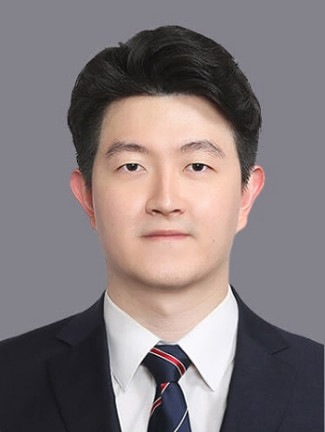
Dr. Jaeho Jang, assistant professor in the Department of Kinesiology, recently became the third faculty member in the College of Health Sciences to receive UTEP’s prestigious Sobel-Duncan Border Health Research Award. The Sobel Duncan Research Award is designed to support new, high-impact health disparities research and foster collaboration among researchers at UTEP and Texas Tech.
Jang and his collaborators, Dr. Jaeyoung Cho, assistant professor in the UTEP Department of Mechanical and Aerospace Engineering, and Dr. Colby Genrich, assistant professor of Sports Medicine at Texas Tech University Health Sciences Center El Paso and medical director for the El Paso Locomotive professional soccer club, were recognized by UTEP President Heather Wilson at an award ceremony held late last week on the UTEP campus. Their collaborative grant aims to reduce health disparities in chronic ankle instability diagnosis among Hispanic populations, using AI and smartphone-based biomechanical tools.
Jang and his colleagues received $40,000 for the one-year project in which they aim to gather pilot data from 100 participants, recruited from UTEP, nonprofit clinics in El Paso, and Dr. Genrich's patient population. Using smartphone-based diagnostic software that analyzes patient movement, they hope to more accurately predict when a patient is at risk for chronic ankle instability and thereby needing a referral to a specialist.
According to Jang, ankle sprains are seriously underreported across the nation, an issue that can lead to more serious health complications if left untreated.
“People often underestimate ankle sprains and avoid seeking rehabilitation because they assume it’s not serious,” he said. “In reality, up to 70% of those with a prior ankle sprain go on to develop chronic symptoms such as pain, swelling, and repeated sprains. Early diagnosis is critical to intervene before those chronic issues set in and to prevent long-term joint degeneration.”
Jang says that in the Paso del Norte region, the challenge is even greater, due to cultural and financial barriers, as well as higher obesity rates, which increase the risk of ankle injuries. The grant team aims to address financial barriers to ankle sprain diagnosis, using a smartphone-base motion capture system that is a mere fraction of the cost of traditional lab-based motion capture, making it a viable option for community clinics and low-resource settings.
“By creating accessible diagnostic tools that work through affordable smartphone-based motion capture, we hope to bring preventive care directly into the hands of people who need it most,” he said.
In the future, Dr. Jang and his colleagues plan to use their pilot data to apply to a larger federal grant which may include additional, varied patient populations and settings.
“Our long-term goal is to develop an AI-driven system that can accurately detect signs of chronic ankle instability early, achieving diagnostic performance comparable to lab-based tools (AUC above 90%), but in a form that clinicians and patients can use anywhere,” he said. “I see this research paving the way for broader applications, from preventing early joint degeneration to reducing mobility-related health disparities across border communities.”
###
Go Miners!


