
CHS Professor Receives Competitive Moody Foundation Grant
Published February 11, 2026
By Darlene Muguiro
UTEP College of Health Sciences
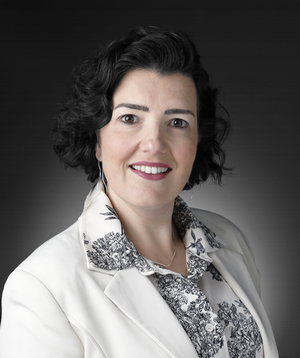
Dr. Camila Torriani-Pasin, associate professor of Physical Therapy and Movement Sciences, was recently selected for a highly competitive research grant from the Moody Foundation, a private foundation based in Galveston, Texas. Torriani-Pasin’s $300,000 two-year grant aims to identify the determinants for sedentary behavior in stroke survivors and implement a community-based intervention program to reverse these habits.
Using a mixed-methods approach combining wearable sensors, performance data and interviews, Torriani-Pasin and her team in the NeuroExcel Laboratory will examine data comparing a group of 30 adult stroke survivors with a control group of 30 healthy adult counterparts, matched for age and sex. The team will partner with the Medical Center of the Americas’ CHW Ambassador program to recruit participants for the project. Ambassadors will reach out to clinics, hospitals, senior centers and other community centers to identify prospects and speak with them about the benefits of participating in the project.
Torriani-Pasin shared that stroke is no longer a disease impacting older adults; the condition is appearing more frequently among younger adults, particularly in areas like El Paso with higher rates of obesity and type-2 diabetes. The lab team believes that there are a few factors that might explain sedentary behavior among stroke survivors beyond a stroke incident – cultural factors, weather, and access to continuous health care, parks and gyms, among others – and hopes that the grant will help elucidate whether their hypothesis is correct.
“The reference data that we’ll collect for the control group will help us to explore if this behavior is related to living on the border, our weather, or cultural or social determinants, or if it is solely due to the stroke,” she said.
The team also aims to implement a 12-week community awareness program in the second year of the grant, using the data related to social determinants of sedentary behavior, along with a psychosocial approach. The intervention will educate stroke survivors about how to reverse sedentary behavior and become more active, as well as how to sustain the healthier behaviors long-term.
“The intervention will be tailored to each individual, but we’ll also have a group component where they will share their experiences,” she said. “We believe that connecting them with peers and including family members and caregivers will make a difference in their willingness to change their sedentary behavior.”
###
Go Miners!


