MinerAlert
MinerAlert
History of Roads
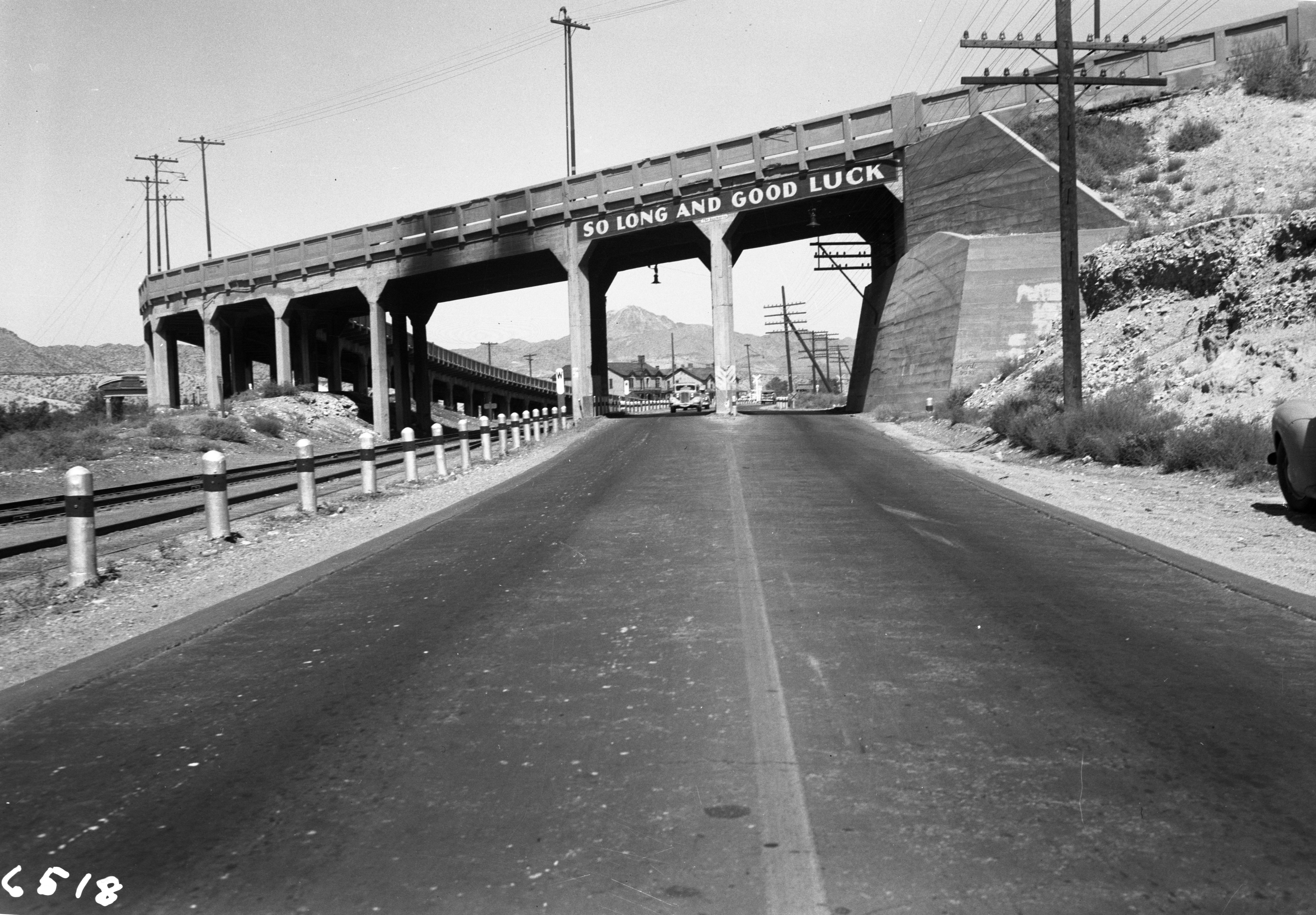
Historically, great civilizations have built expansive transportation networks to allow for the movement of goods, people, information, and military personnel and equipment. The Romans connected their empire with over 50,000 miles of roads. Over 25,000 miles of roads in South America were designed, constructed, and maintained by the Incan Empire, along with accompanying structures such as bridges, stairways, retaining walls, and drainage systems. Evidence of these thoroughfares can still be found today. President Eisenhower's signing of the Federal Aid Highway Act in 1956 cemented the importance of the automobile in the American transportation network.
Historia de las Carreteras
Históricamente, las grandes civilizaciones han construido amplias redes de transporte para permitir el movimiento de bienes, personas, información y personal y equipo militar. Los romanos conectaron su imperio con más de 50,000 millas de caminos. Más de 25,000 millas de caminos en América del Sur fueron diseñados, construidos y cuidados por el Imperio Inca, junto con estructuras complementarias como puentes, escaleras, muros de contención y sistemas de drenaje. La evidencia de estas vías todavía se puede encontrar hasta el día de hoy. La firma del presidente Eisenhower de la Ley Federal de Carreteras de Ayuda en 1956 consolidó la importancia del automóvil en la red de transporte estadounidense.
Beautiful Highways
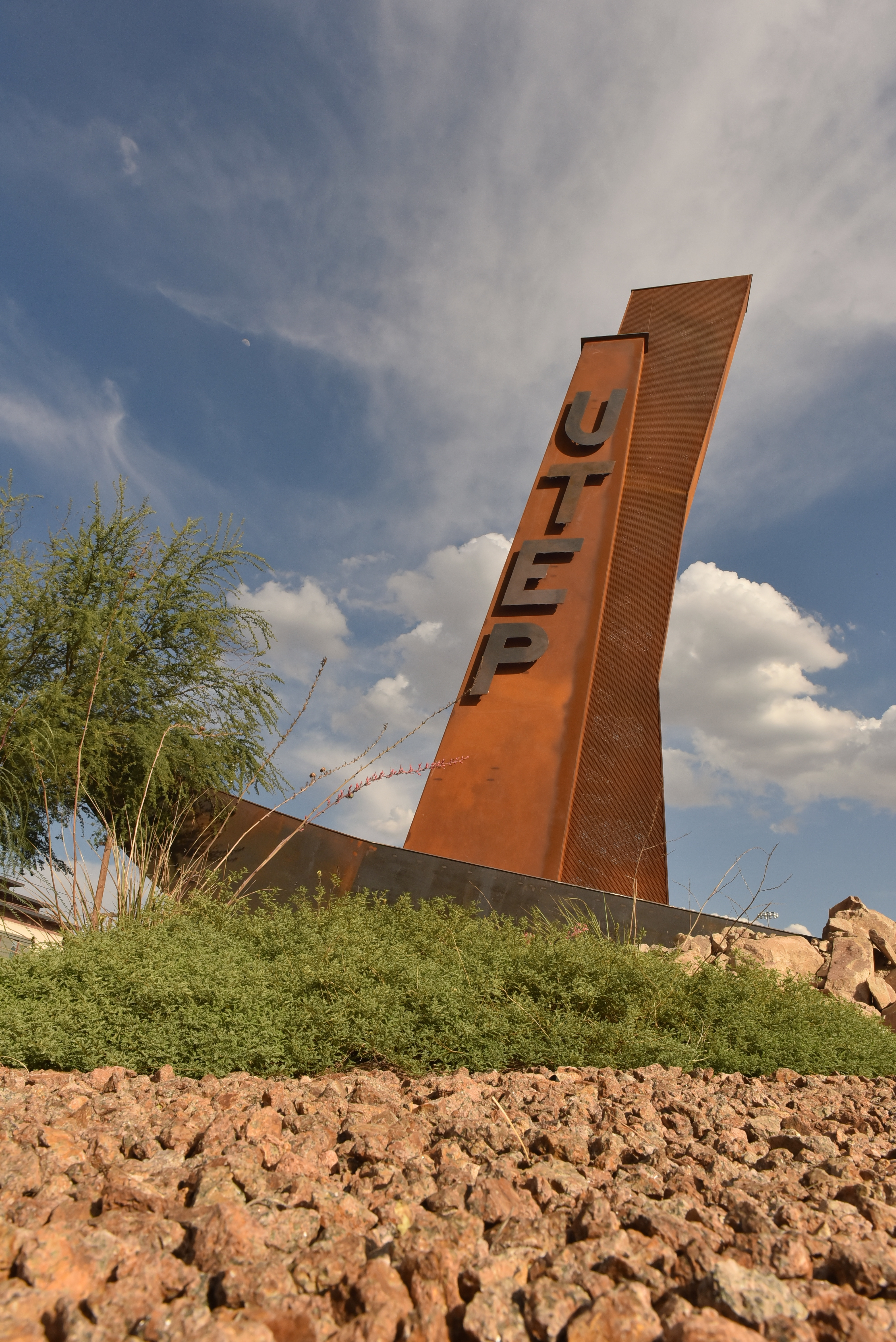
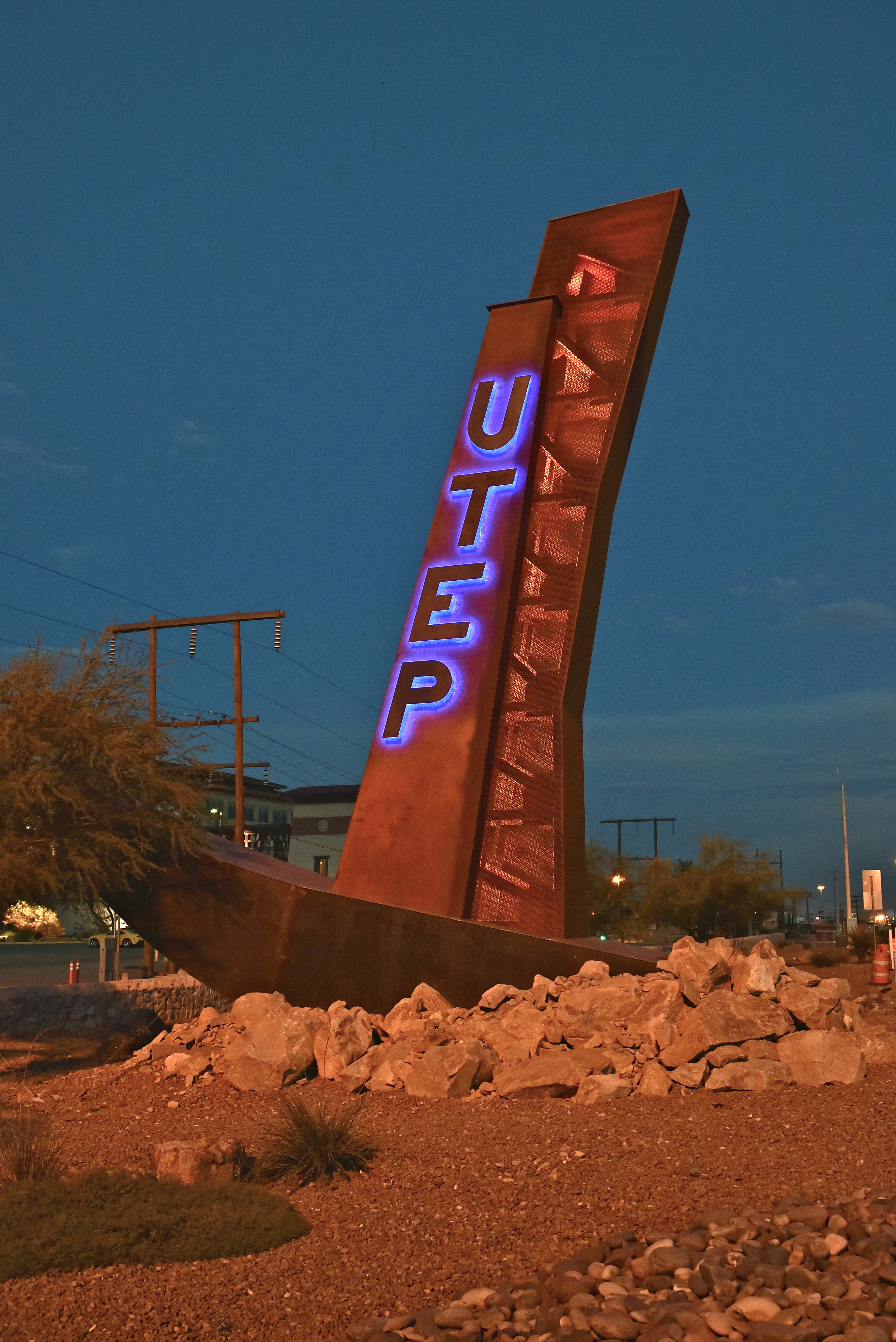
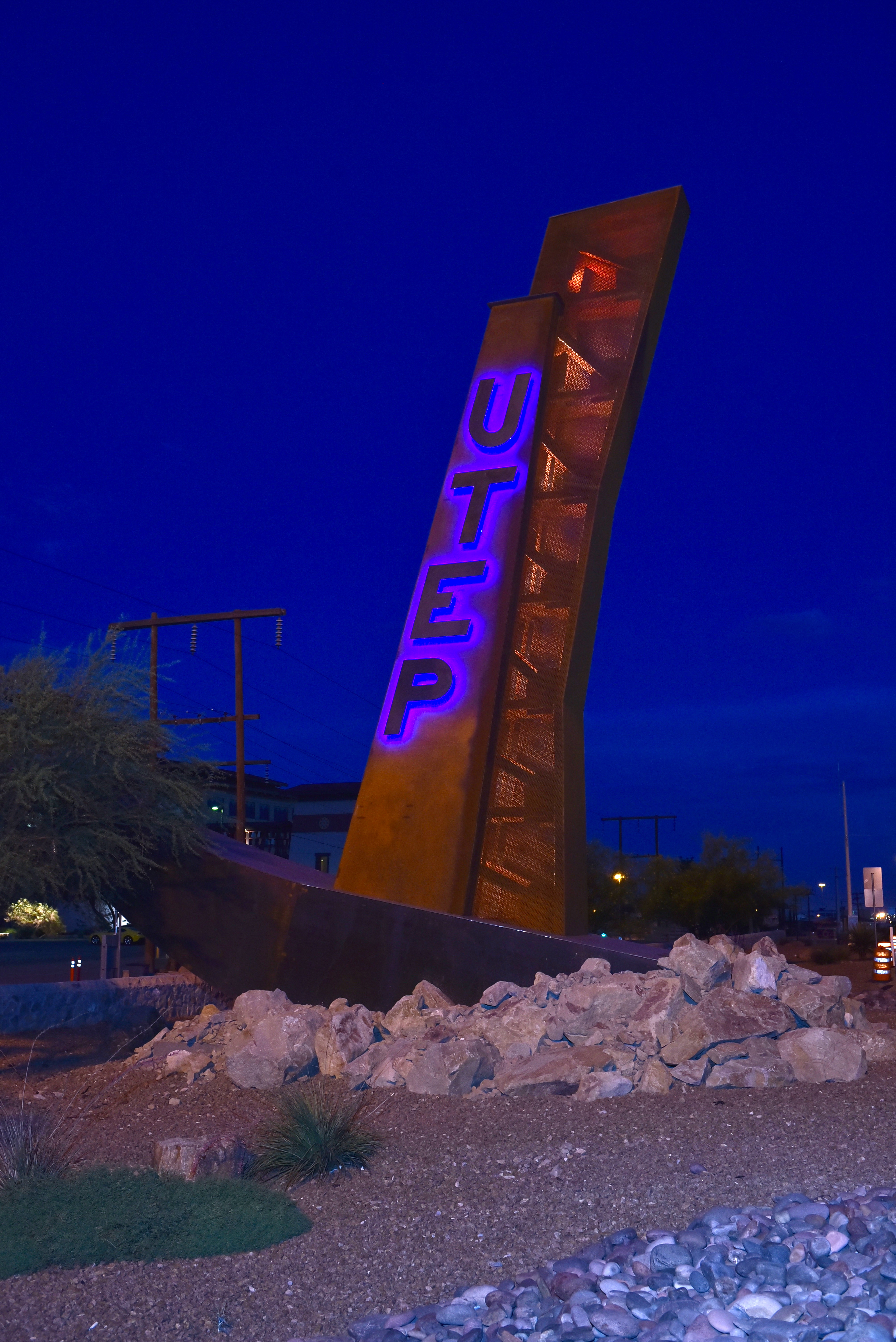
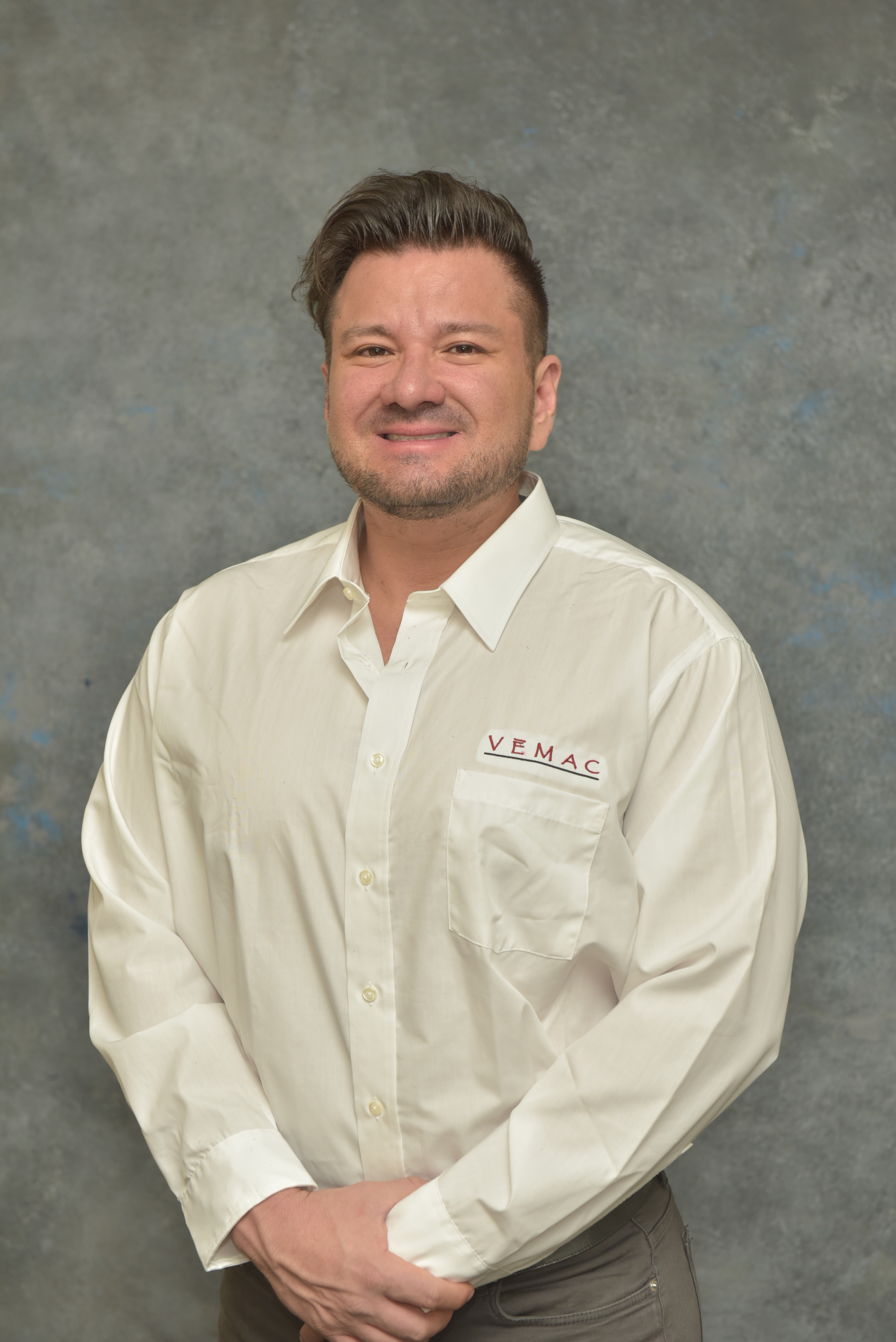
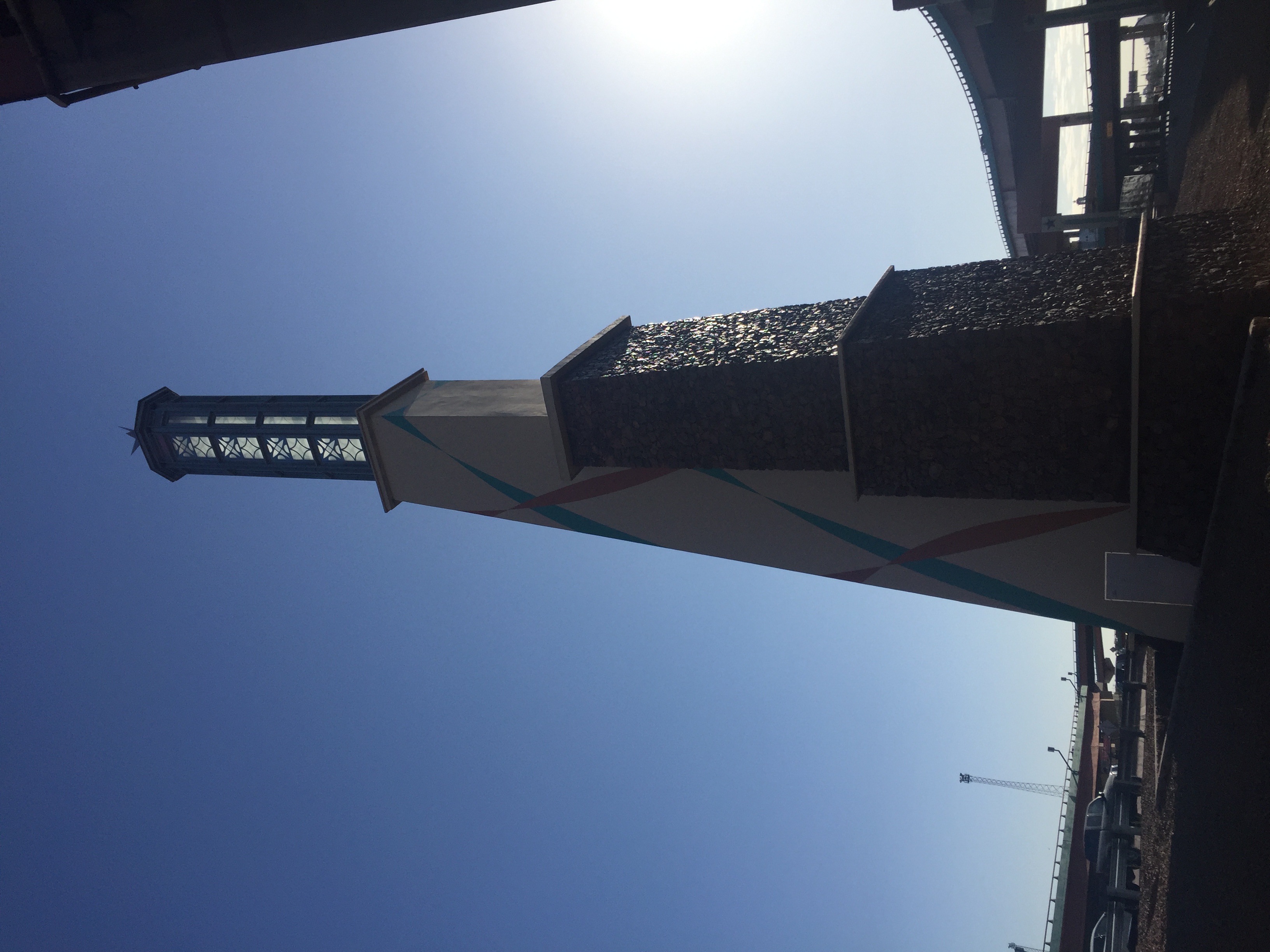
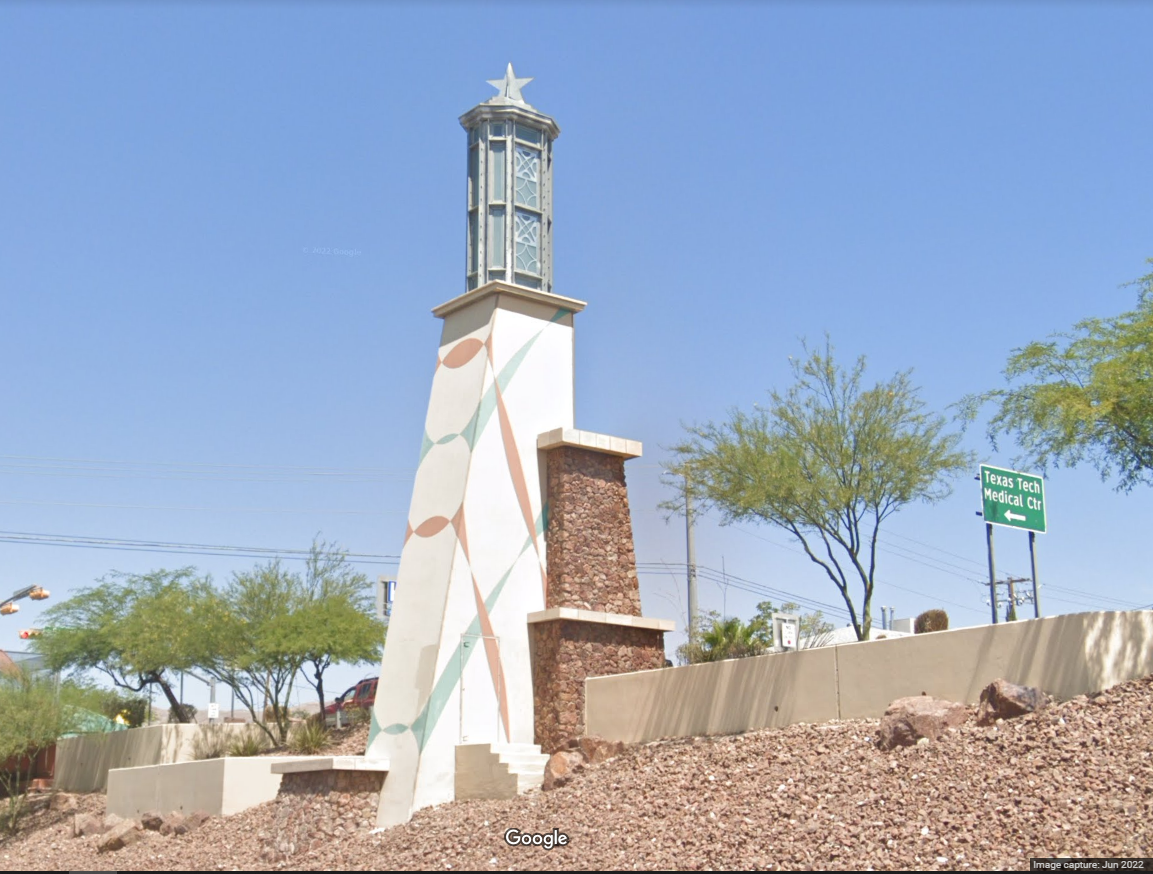
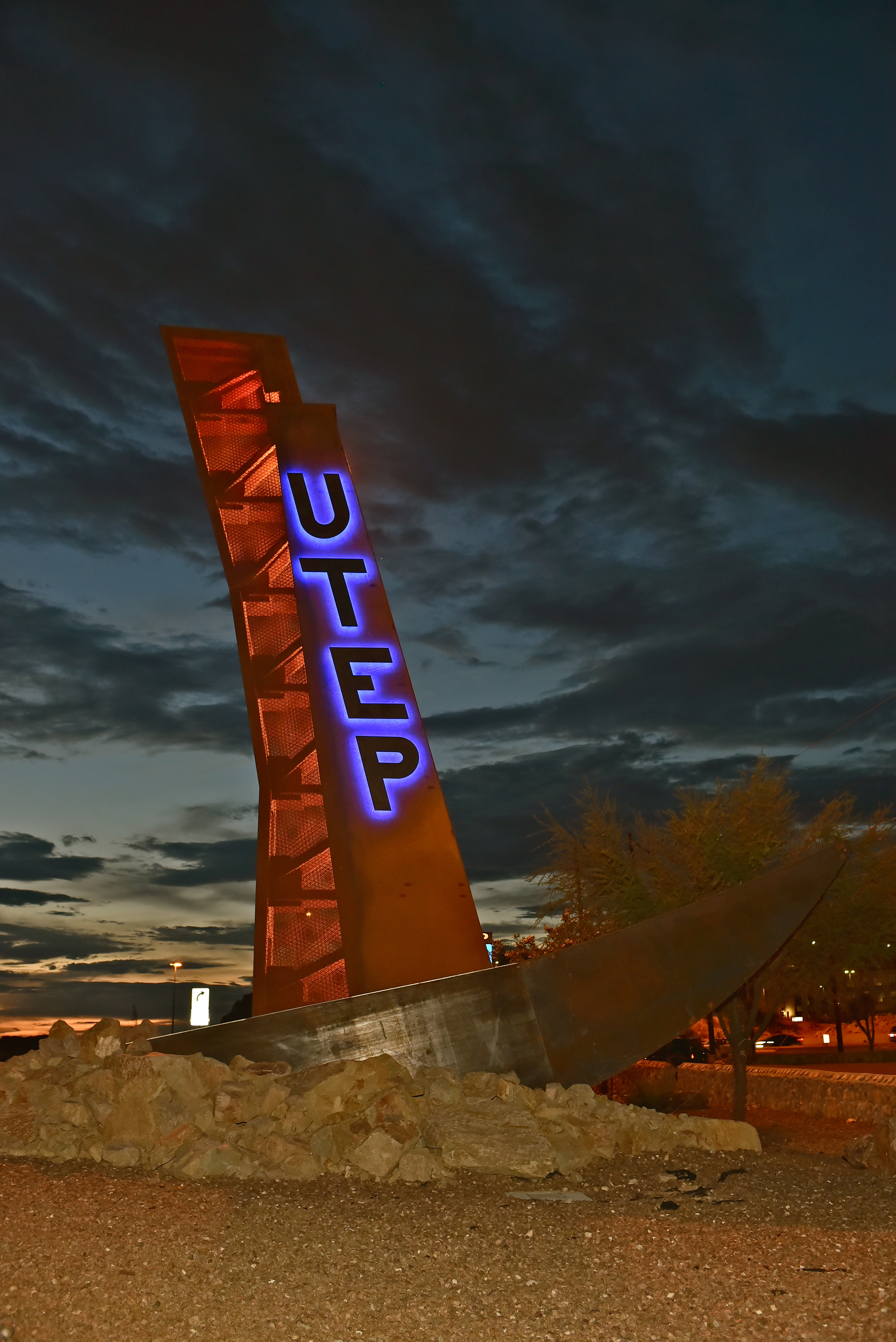
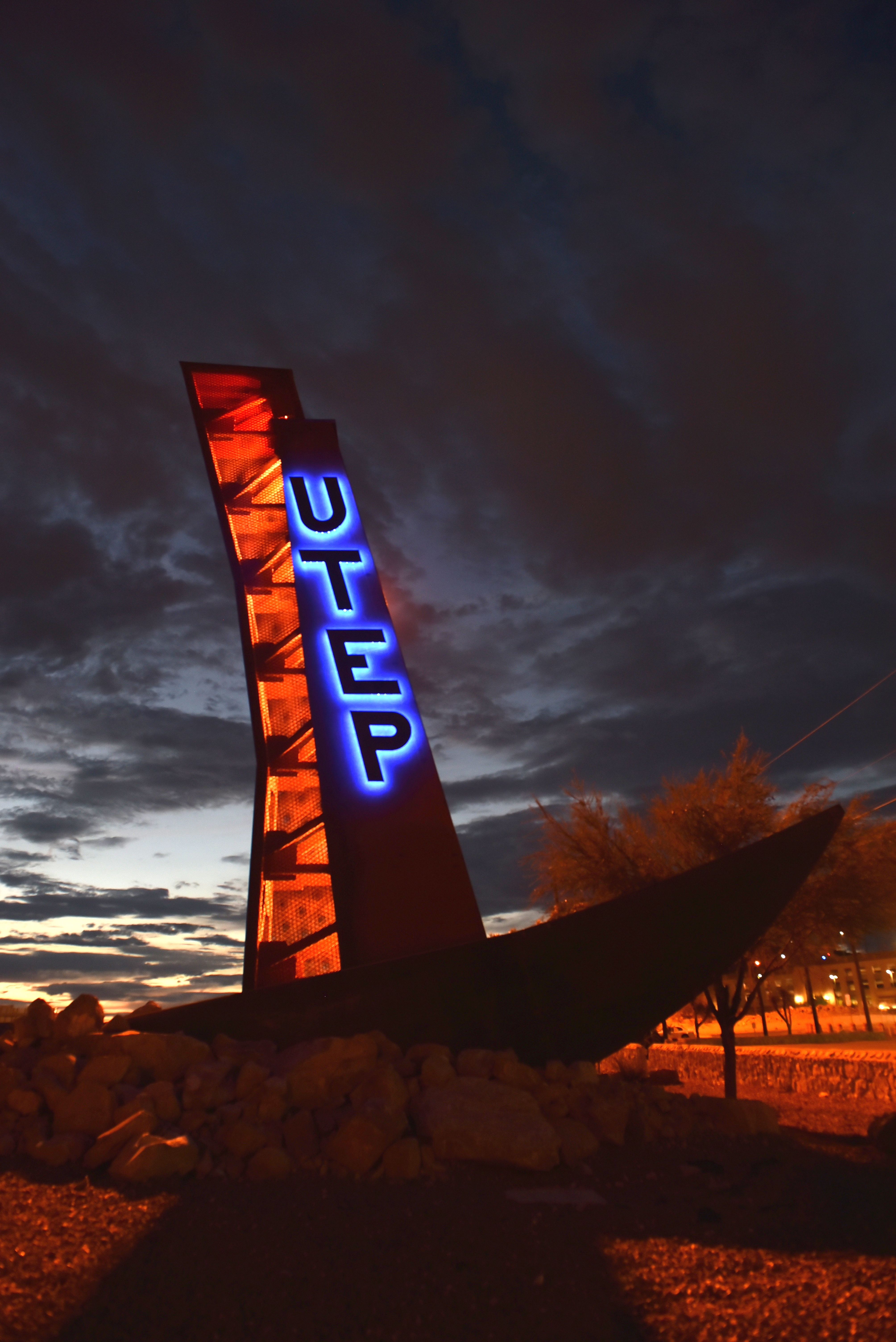
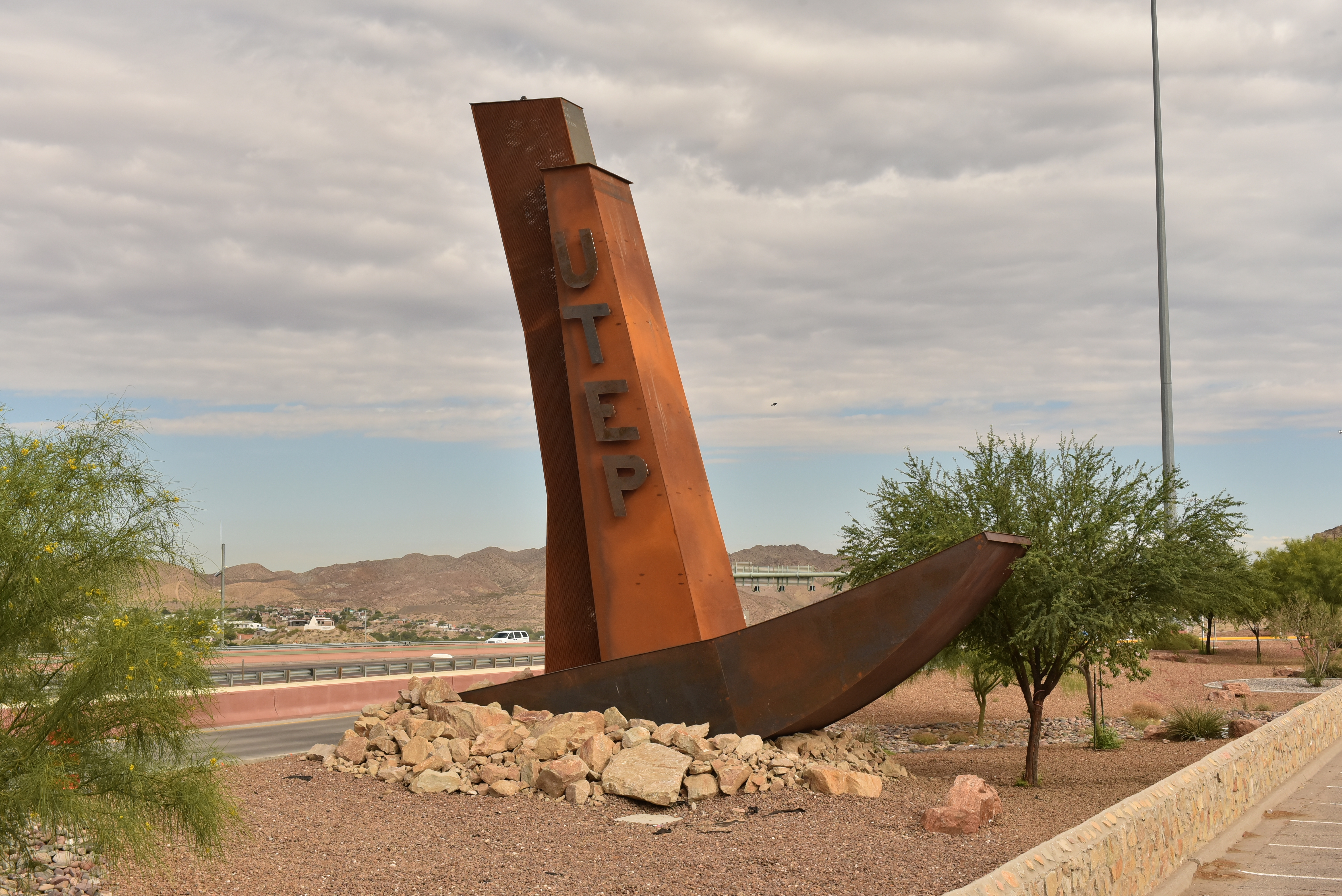
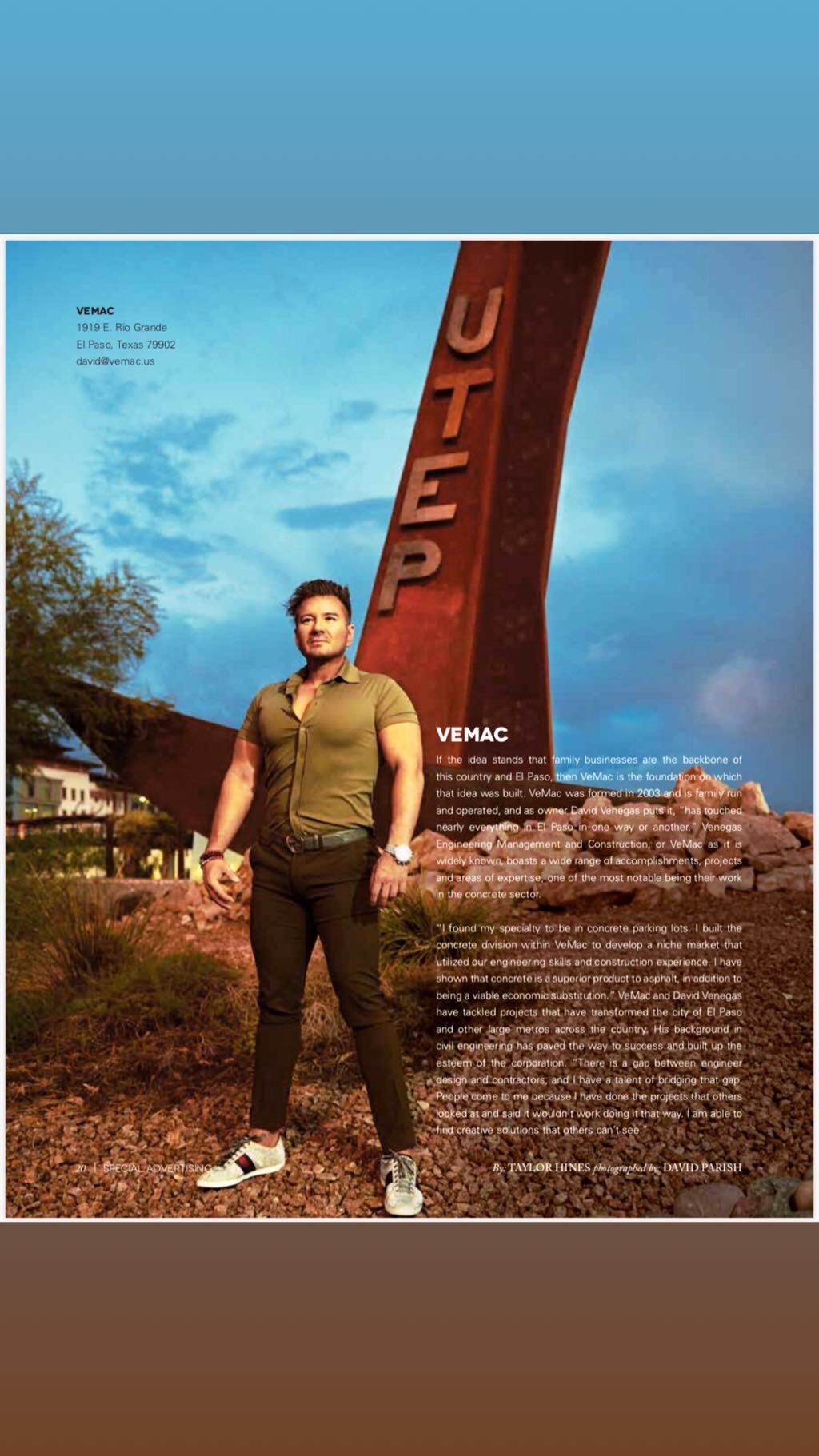
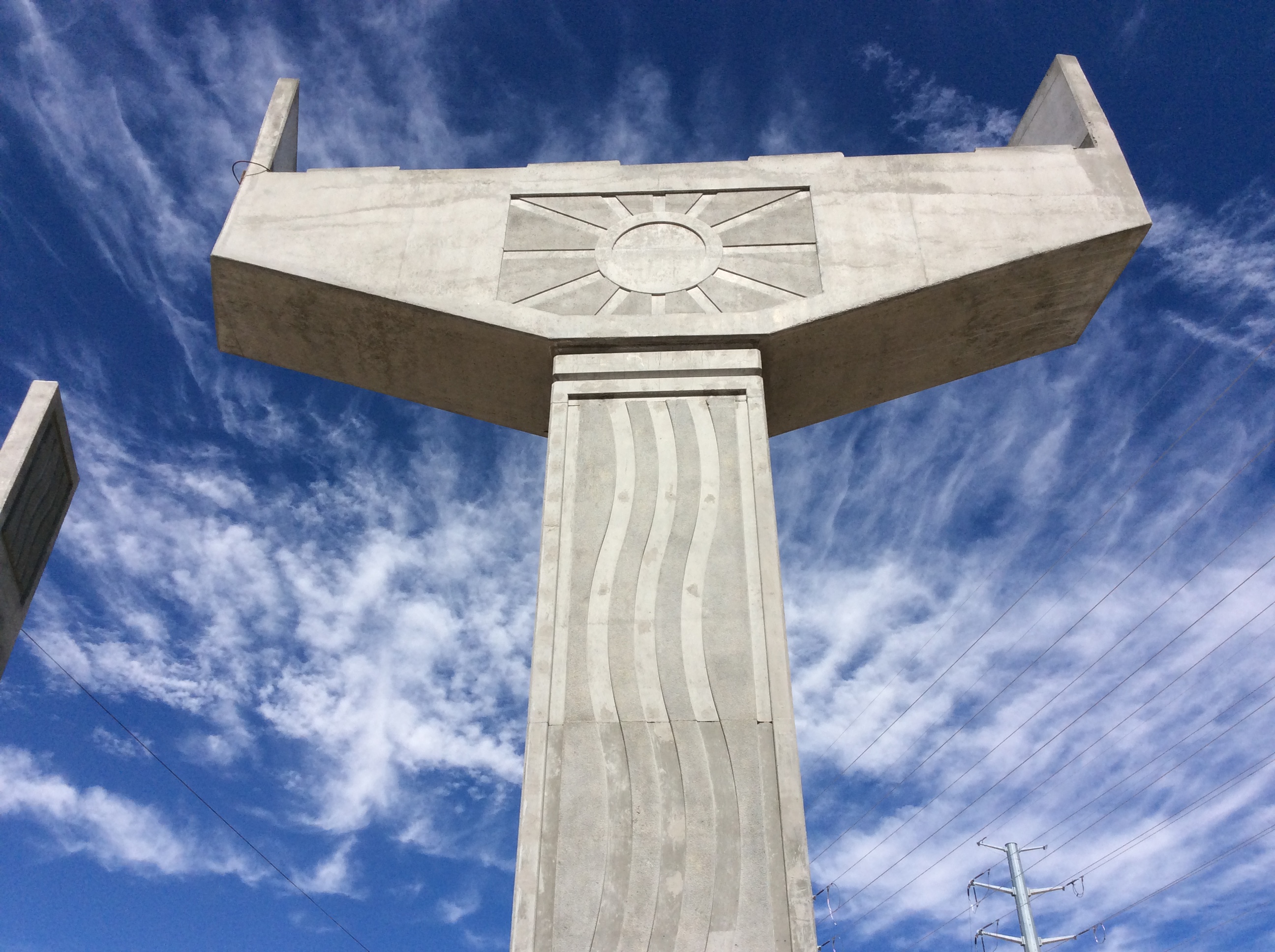
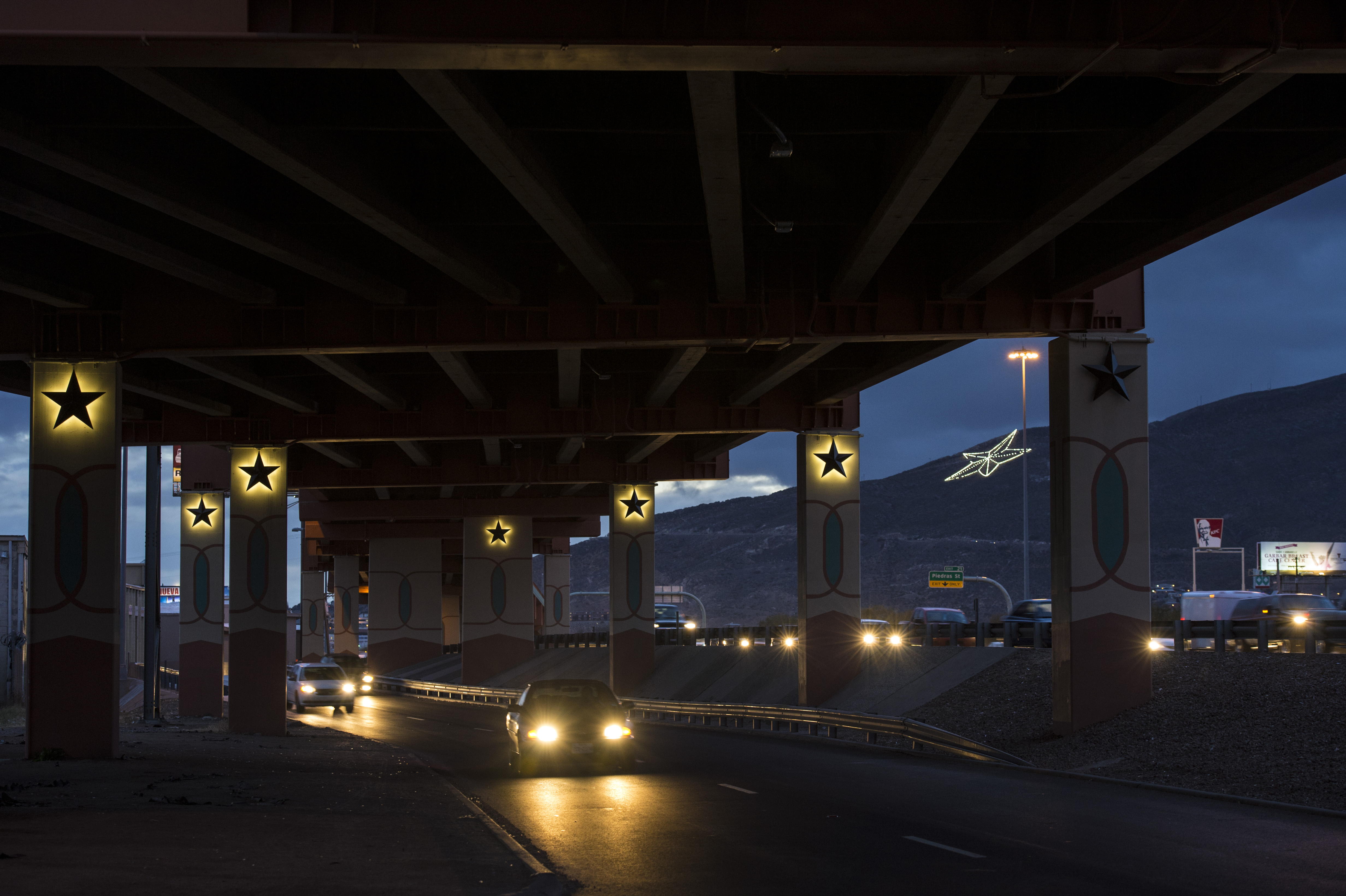
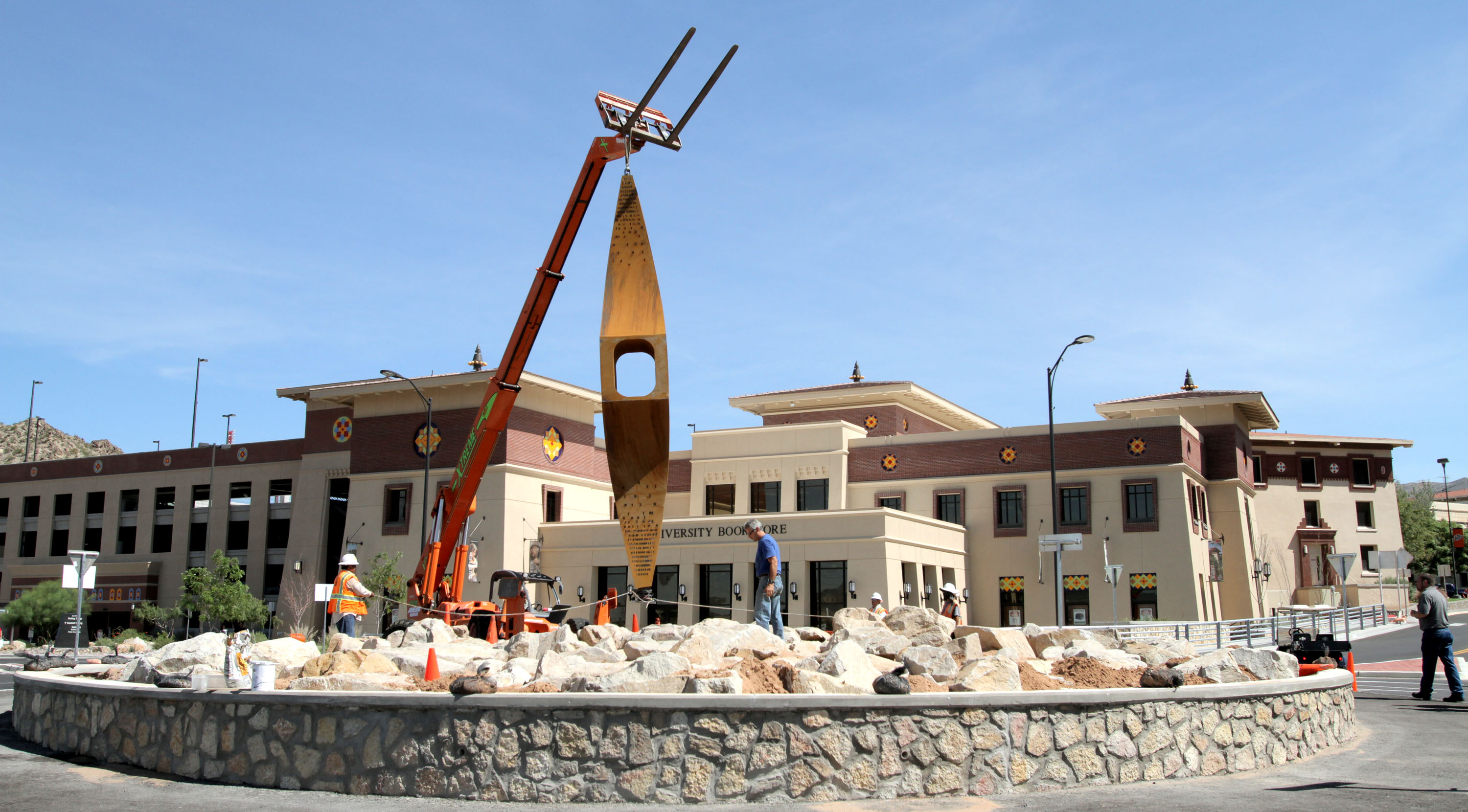
TxDoT encourages beautification projects that enhance the appearance of the highway system for the community. David Venegas and his family's company, VeMac, served as both the general contractor and the concrete subcontractor for the ornamental monuments and light towers in the I-10 Corridor Aesthetic Master Plan. The light towers near the Spaghetti Bowl (pictured here) are El Paso's four tallest tilt-up (cast on the ground and then raised) concrete walls. VeMac constructed the concrete bases for the two "Buried Pick" art installations that alert I-10 drivers that they are in Miner Country.
Hermosas Carreteras
TxDoT fomenta los proyectos de embellecimiento que mejoran la apariencia del sistema de carreteras para la comunidad. David Venegas y la compañía de su familia, VeMac, sirvieron como contratista general y subcontratista de concreto para los monumentos ornamentales y las torres de iluminación en el Plan Maestro Estético del Corredor I-10. Las torres de luz cerca del distribuidor vial (Spaghetti Bowl; foto aquí) son los cuatro muros de concreto inclinados (moldeados en el suelo y luego levantados) más altos de El Paso. VeMac construyó las bases de concreto para las dos instalaciones de arte "Buried Pick" que alertan a los conductores de la I-10 que están en tierra minera.
All in the Family
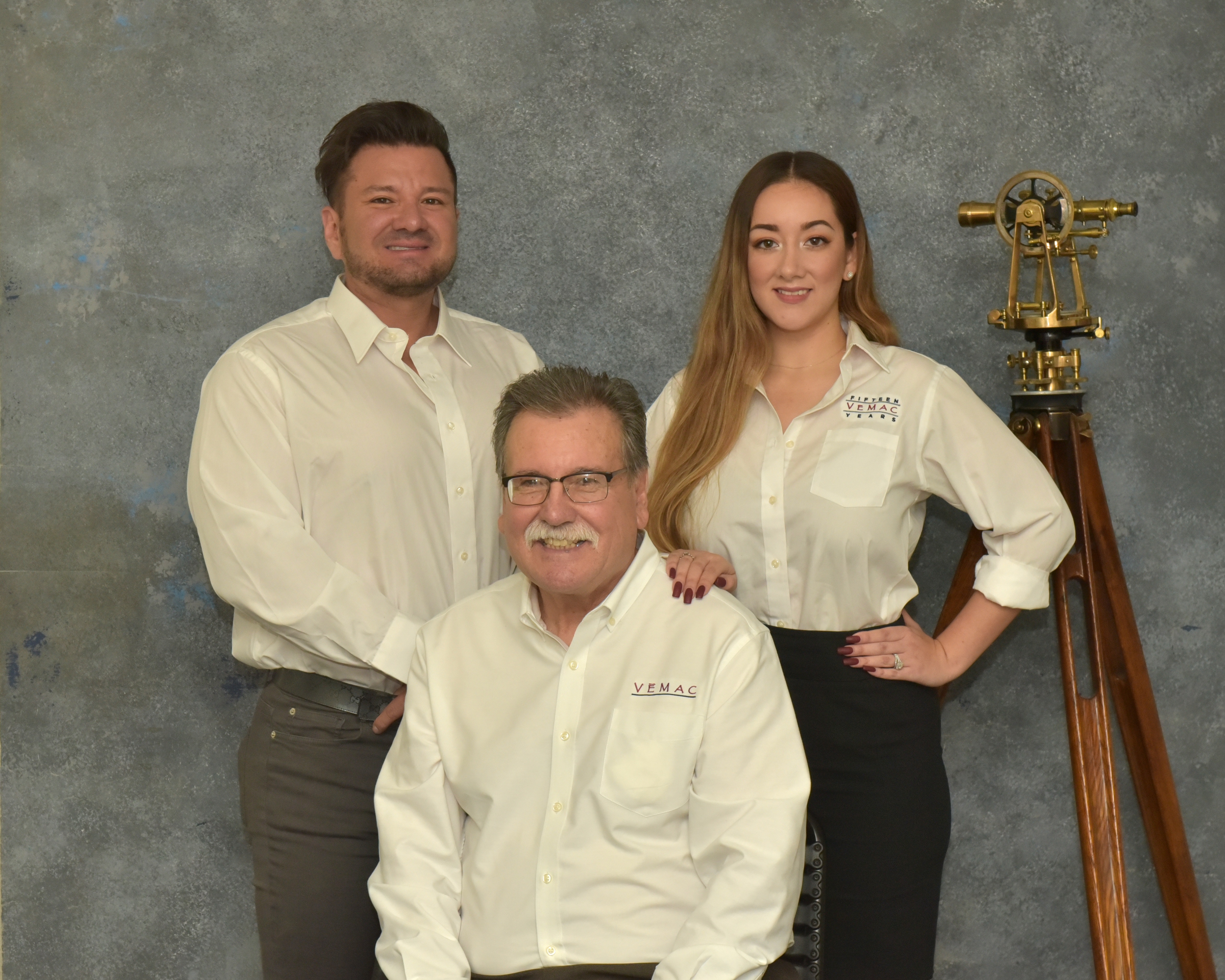
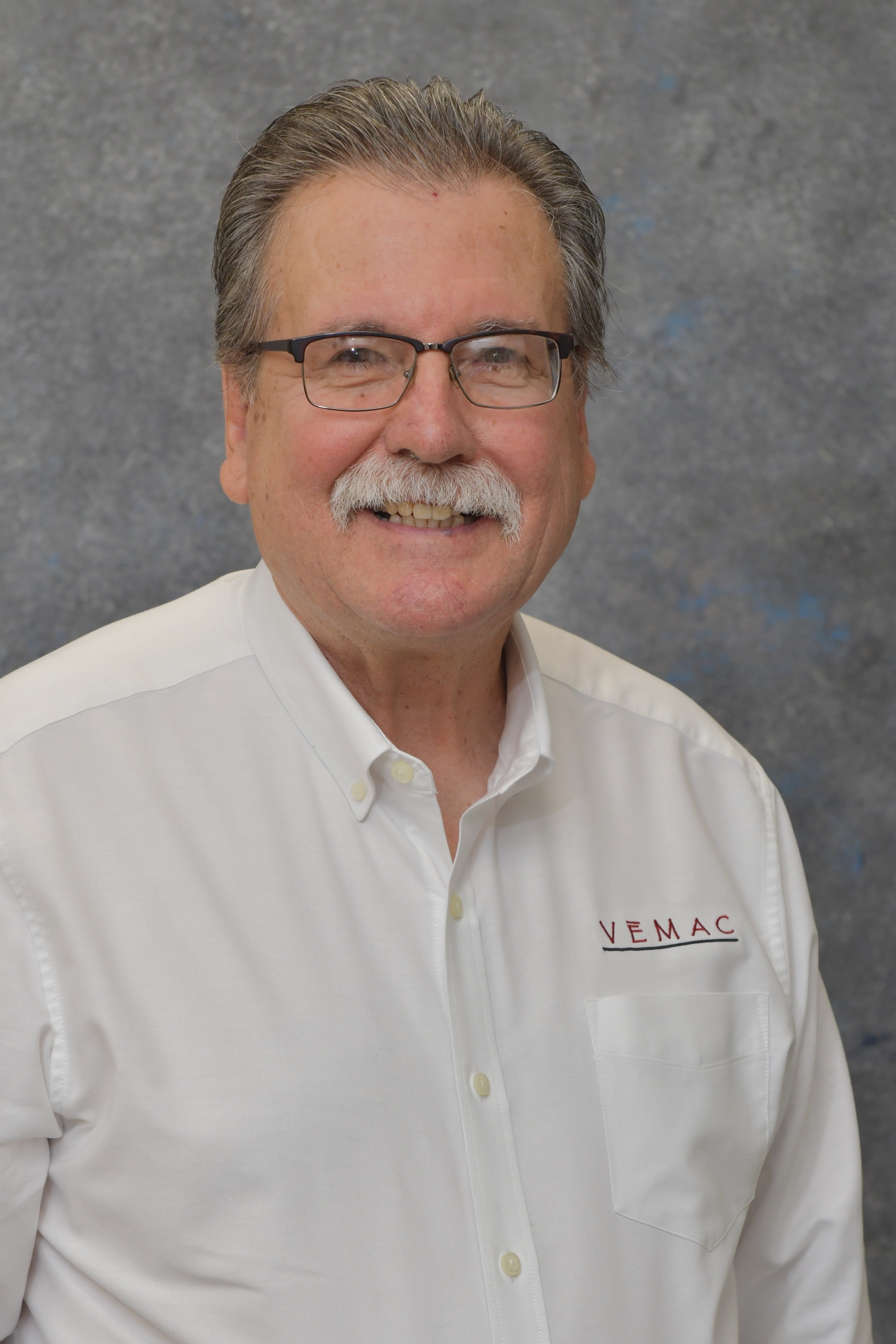
After earning his degree from UTEP in 1973, Oscar Venegas served as president of the engineering firm that built the Larry K. Durham Sports Center next to the Sun Bowl stadium in 2002. He founded his own business, Venegas Engineering Management and Construction, or VeMac, a few years later. His son, David Venegas, a UTEP Civil Engineering graduate (2002) is the company's current president. Venegas’ granddaughter, Vivian Gonzalez, a third-generation Miner who graduated from the Department in 2018, also works for the company. Family to Venegas goes beyond blood. David remembered his father once saying, “I'm responsible for $4 million of salaries... for 250 mouths and their families.”
Todos en la Familia
Después de obtener su título en UTEP en 1973, Oscar Venegas se desempeñó como presidente de la firma de ingeniería que construyó el Centro Deportivo Larry K. Durham junto al estadio Sun Bowl en 2002. Fundó su propio negocio, Venegas Engineering Management and Construction, o VeMac, años después. Su hijo, David Venegas, Ingeniero Civil egresado de UTEP (2002) es el actual presidente de la empresa. La nieta de Venegas, Vivian González, Minera de tercera generación, egresada del Departamento en 2018, también trabaja para la empresa. La familia para Venegas va más allá de la sangre. David recordó que su padre dijo una vez: “Soy responsable de $4 millones en salarios... de 250 bocas y sus familias”.