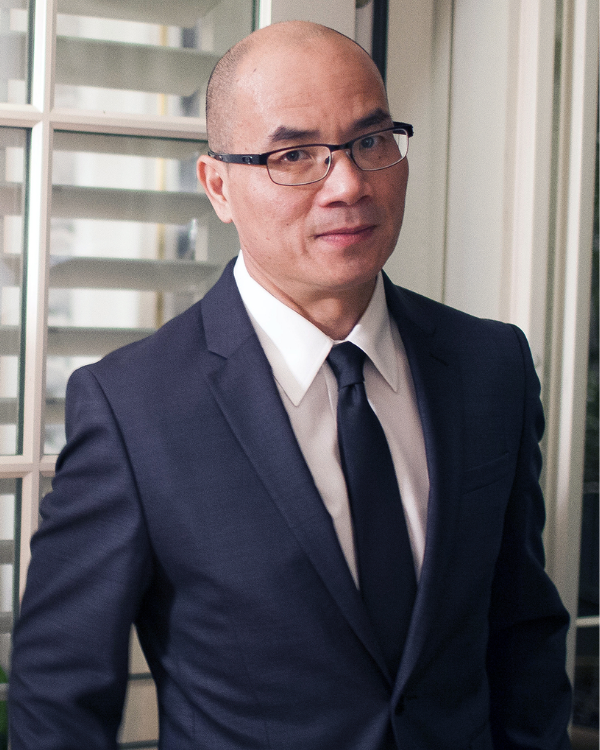
From the department chair
“Anyone can run the numbers now. What’s scarce is knowing which number matters and being willing to stand behind it. That’s what we teach.”
Zuobao “Eddie” Wei, Ph.D. Department Chair, Economics and Finance

MinerAlert
Department of Economics and Finance
Where more than 900 students learn to value assets, price risk, and read an economy.
Department overview
Economics and finance answer the same question: where should resources go, and what return justifies the risk? More than 900 students study here, from first-year majors to doctoral candidates. Finance graduates go into corporate finance, investment, banking, and risk; economics graduates into policy, research, and graduate study.
From the department chair
“Anyone can run the numbers now. What’s scarce is knowing which number matters and being willing to stand behind it. That’s what we teach.”
Programs and pathways
Four programs, from a first course in markets to a dissertation.
Think in models, then test them against data. Micro and macro theory, econometrics, and applied policy analysis.
Value assets and price risk. Corporate finance, investments, banking and financial institutions, and risk management provide a full foundation in finance, with data skills built in from the first course.
Thirty hours, two credentials: the master’s plus a graduate certificate in big data analytics. The program is STEM-designated, which matters for international students’ work authorization.
Fully funded, with a living stipend, tuition fellowship, and health insurance. Twenty-four graduates have been placed at business schools in the U.S. and abroad, 19 of them AACSB-accredited.
Signature strengths
Results from programs, scholarship, and student experience.
Industry partners fund professional certifications, employer mixers, and travel to national conferences. Students sit for the RMA Credit Essentials Certificate before they graduate.
The Center for Free Enterprise brings economists of national standing to campus and runs a semester-long reading group in political economy. The Border Region Modeling Project has published quarterly regional forecasts for 29 years.
Research appears in leading finance and economics journals, including those on the UTD-24 and Financial Times 50 lists. Five faculty members hold endowed chairs and professorships.
The program is fully funded, with a living stipend and tuition fellowship. Nineteen of 24 graduates now hold positions at AACSB-accredited business schools in the U.S. and abroad.
Research and doctoral study
Two research units, five endowed positions, and a doctoral program.
View faculty publicationsEmpirical corporate finance and governance, financial disclosure and monitoring, market microstructure and derivatives, international corporate finance and international business, and climate finance and sustainability. Faculty publish in leading journals.
Macroeconomic modeling, asset bubbles, health care economics and health disparities, crime economics, and migration economics. Faculty publish in leading journals.
The Border Region Modeling Project, directed by Tom Fullerton and largely externally funded, runs a 250-equation model of the Borderplex and has published forecasts quarterly for 29 years. The Center for Free Enterprise brings economists of national standing to campus and runs a library, a monthly publication, and a reading group in political economy.
The program is fully funded, with a living stipend and tuition fellowship. Nineteen of 24 graduates now hold positions at AACSB-accredited business schools in the U.S. and abroad.
Applied learning
Employer mixers, professional certifications, conference travel, and internships that turn into offers.
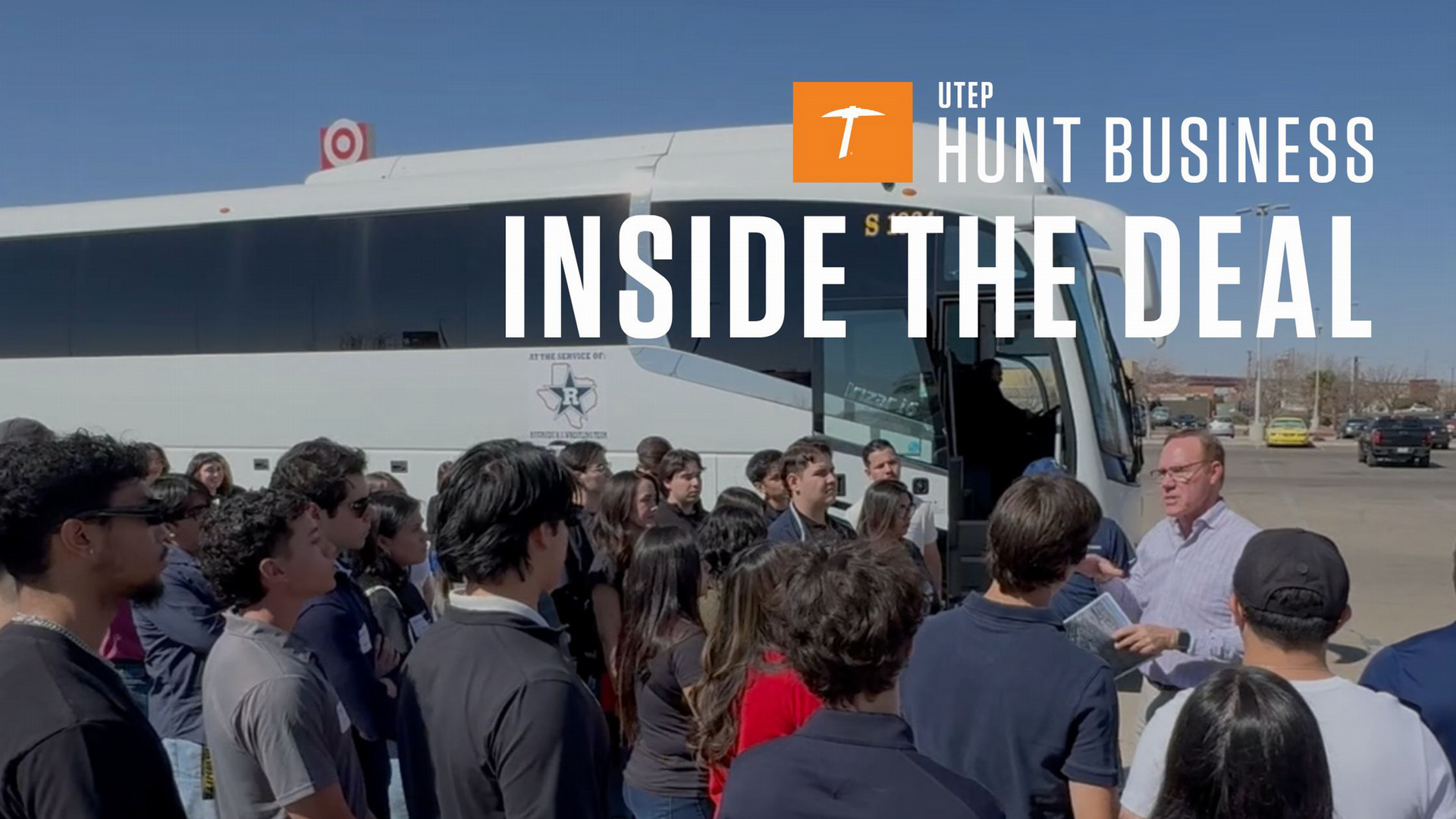
Real estate field experiences connect property analysis, finance and development decisions to the places and professionals shaping the regional market.
Networking mixers with regional banks and credit unions, Risk Management Association membership, and preparation for the Credit Essentials Certificate.
Explore the academySite visits with insurance and brokerage firms, a Gamma Iota Sigma chapter, and travel to RiskWorld, the industry’s national conference.
View corporate academiesMore than 200 students minor in real estate, with faculty-led field trips, industry conferences, career fairs, and an active student club.
Explore real estateSpeakers from national institutions, a semester-long reading group with dinner, and a student political economy club.
Hunt Insights
Faculty perspective, student fieldwork and public-facing economic insight from across the department.

Hunt College is accredited by AACSB International, a supporting marker of quality across its business programs.