
Systems Engineer Salary Guide 2026
Last updated: June 2026
Forget just another IT job. Systems engineering is where the real architects of our digital world live. They operate at the command center of technology, designing the blueprints for how software, hardware, and entire networks function together, and in 2026, they are being rewarded for it like never before.
Curious how much you could earn? This guide breaks down the numbers for a systems engineering salary, from your first year on the job to specializing in high-demand fields. Let's dive into what your future could look like.
What Do Systems Engineers Do?
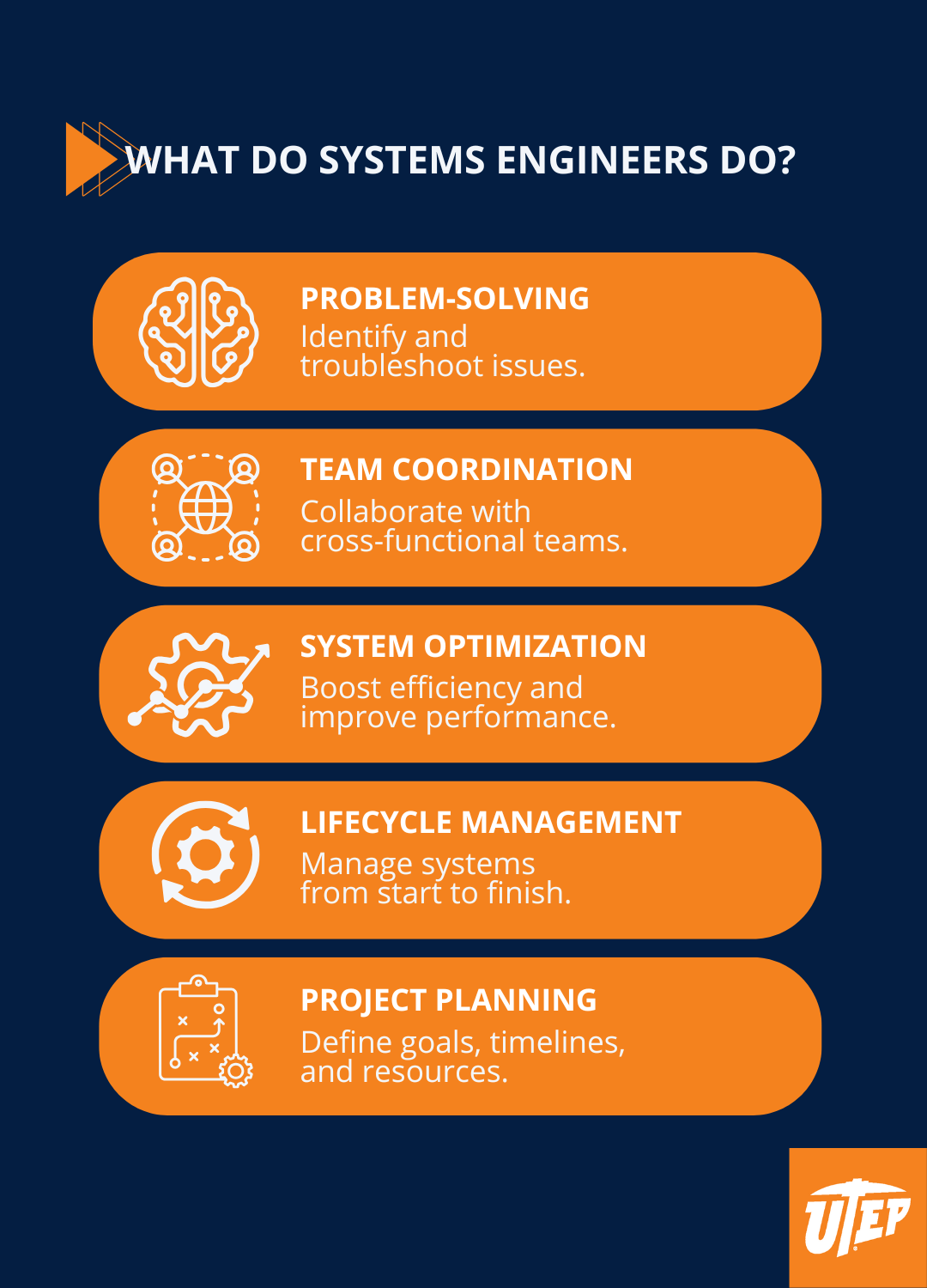
Systems engineers solve complex problems, coordinate across teams, optimize systems, manage product lifecycles, and lead project planning. They are the architects bridging hardware, software, and human processes.
Systems Engineer Salary in 2026: The Numbers That Matter
Here's what you've been waiting for: the real systems engineer salary data for 2026.
The average annual salary for a systems engineer in the United States is $127,324. But here's what that really means for you:
|
Metric |
Amount |
|
Average |
$127,324 |
|
75th Percentile |
$157,000 |
|
25th Percentile |
$98,000 |
|
Top Earners (90th percentile) |
$167,500 |
Bottom line: Most systems engineers earn betwee $98,000 and $167,000, with significant room for growth based on experience, specialization and location.
How Experience Transforms Your Earning Power
Your salary as a systems engineer isn't just about where you start: it's about where you can go.
Entry-Level Systems Engineer Salary: What to Expect in 2026
Even as a newcomer, you're entering a field with strong starting salaries.
ZipRecruiter data as of May 2026 shows a national average for entry-level systems engineers at $127,215, with top earners reaching $167,500. Glassdoor now reports entry-level IT systems engineers averaging around $124,000, reflecting an upward trend across the board
Mid-Level Systems Engineer Salary (3-5 Years of Experience)
After 3-5 years in the field, you've hit your stride as a systems engineer. You design and maintain critical IT infrastructure (servers, networks, databases) while solving complex problems on your own. Additionally, you lead small projects, mentor newer engineers, and work closely with senior team members.
Companies recognize this value. According to Glassdoor’s 2026 data, mid-level systems engineers ("Systems Engineer II") are earning around $178,000–$185,000, with the upper end climbing as AI and cloud skills become standard requirements.
Senior Level: Where the Real Money Is
At this stage, your earning potential is heavily influenced by your specialization. Senior engineers with expertise in cybersecurity, cloud infrastructure (like AWS or Azure), DevOps, or systems automation are in exceptionally high demand and can command the highest salaries in the market.
The salary range for this role is broad, reflecting the diverse responsibilities and specializations available.
- Salary.com, as of May 2026, reports an average salary for a Senior Systems Engineer of $121,198, with the top 10% earning over $145,000.
- Glassdoor’s 2026 data shows an average of approximately $190,000 for senior roles, with top companies (including Meta, Amazon Web Services, and Cruise) offering packages that reach $227,000 or higher.
- ZipRecruiter’s May 2026 data puts the national average at $124,732, with top earners in prime locations surpassing $176,000.
Specialization: Your Fast Track to Higher Pay
Not all systems engineering roles are created equal. Your education, specialization, and certifications all play a significant role in your earning potential.
While a bachelor's degree is the standard entry point, pursuing a master's degree in systems engineering or a related field can provide a significant salary boost. Professionals with a graduate degree often command higher starting salaries and are better positioned for leadership roles.
According to several industry salary surveys, holding a master's degree can increase your earning potential by 10% to 20% over a career. If you're considering this step, it's essential to thoroughly analyze whether a master's degree in engineering is worth it for your career goals.
Beyond formal education, pay can increase even further for professionals who earn industry recognized systems engineering certifications. Credentials offered by INCOSE (International Council on Systems Engineering), such as the ASEP, CSEP, and ESEP, are highly respected and demonstrate a proven level of expertise, often leading to more senior roles and higher compensation.
Location, Location, Location: Where You Work Matters
Your zip code has a massive impact on your paycheck. Here's the breakdown:
Top-Paying States for Systems Engineers
- Washington: ~$144,083 (Microsoft, Amazon, Boeing)
- District of Columbia: $131,682–$139,101 (government contractors, defense)
- California: $131,182 (now tied with D.C. at the top)
- New York: $126,437–$139,177 (finance, consulting, tech)
- Massachusetts: $129,434 (biotech and defense sectors growing)
Highest-Paying Cities (2026 Data)
- Colorado Springs: ~$176,000 (aerospace and defense hub)
- Orange County, CA: ~$162,000 (tech and aerospace)
- San Francisco, CA / Cupertino, CA: ~$155,767 (tech capital — Cupertino now surpasses SF)
- Menlo Park, CA: ~$166,658 (Silicon Valley premium, up ~$4k vs 2025)
International Perspective
Looking globally, systems engineers can earn competitive salaries worldwide:
- Switzerland: $115,000+ (highest in Europe)
- Australia: $98,000+ (strong tech sector)
- Denmark: $84,000+ (excellent work-life balance)
The Hidden Factors That Boost Your Salary
Beyond experience and location, several strategic moves can dramatically increase your earning potential and set you on a path to leadership.
Education and Certifications That Pay Off
Investing in your education is one of the most reliable ways to increase your value as a systems engineer. While a bachelor's degree is the foundation, advanced credentials demonstrate your commitment and deepen your expertise, often adding $10,000 to $20,000 or more to your annual salary.
A full master's degree is a powerful option, but a graduate certificate offers a faster, more focused path to acquiring high-demand skills. It’s an ideal solution for working professionals who want to gain specialized knowledge without committing to a multi-year program.
A Strategic Step: UTEP's Online Graduate Certificate in Systems Engineering
Designed specifically for professionals in the field, the 100% online Graduate Certificate in Systems Engineering from UTEP is built to deliver the advanced, interdisciplinary knowledge required for management-level positions.
This program is designed to accelerate your career by preparing you for prestigious INCOSE certifications and providing hands-on experience through a real-world project practicum. Students gain valuable connections to industry leaders like Lockheed Martin and the Department of Defense, all while earning credits that serve as a direct pathway toward a future master's degree.
Learn more and see the complete curriculum for the UTEP Online Graduate Certificate in Systems Engineering.
Industries That Pay Premium
Some sectors simply pay more:
- Aerospace and Defense: Premium for security clearance and complexity
- Finance: High stakes mean high pay
- Big Tech: Competitive packages including stock options
- Government Contracting: Stable, well-paid positions
- Media & Communication: Emerging as a top-paying sector, with a median of $132,725 for systems engineers
Company Size Matters
Larger companies typically offer more comprehensive packages, including performance bonuses, stock options, and better benefits.
The Future is Bright: Career Outlook for Systems Engineers
The demand for systems engineers isn't just strong—it's accelerating. Here's why:
- Growing Complexity: As technology becomes more interconnected, the need for professionals who can manage complex systems grows exponentially.
- Emerging Technologies: AI, automation, renewable energy, cybersecurity, and fintech are creating new opportunities daily.
- Market Demand: The need for engineering talent is exceptionally high, with industry trends indicating a large and steady stream of job openings month after month.
- Salary Growth Trajectory: ERI SalaryExpert projects systems engineer compensation to increase by 14% over the next five years, making this an excellent time to enter or advance in the field.
The Bottom Line: Is Systems Engineering Worth It?
Absolutely. With an average salary of $127,324, strong job security, and excellent growth potential, systems engineering offers one of the best risk-to-reward ratios in the technology sector.
Whether you're just starting your career or looking to maximize your current position, systems engineers are in high demand, well-compensated, and positioned for continued success.
Your next step? Identify your target specialization, start building relevant skills, and position yourself in a high-paying market. The opportunities are there—it's time to claim your share.


